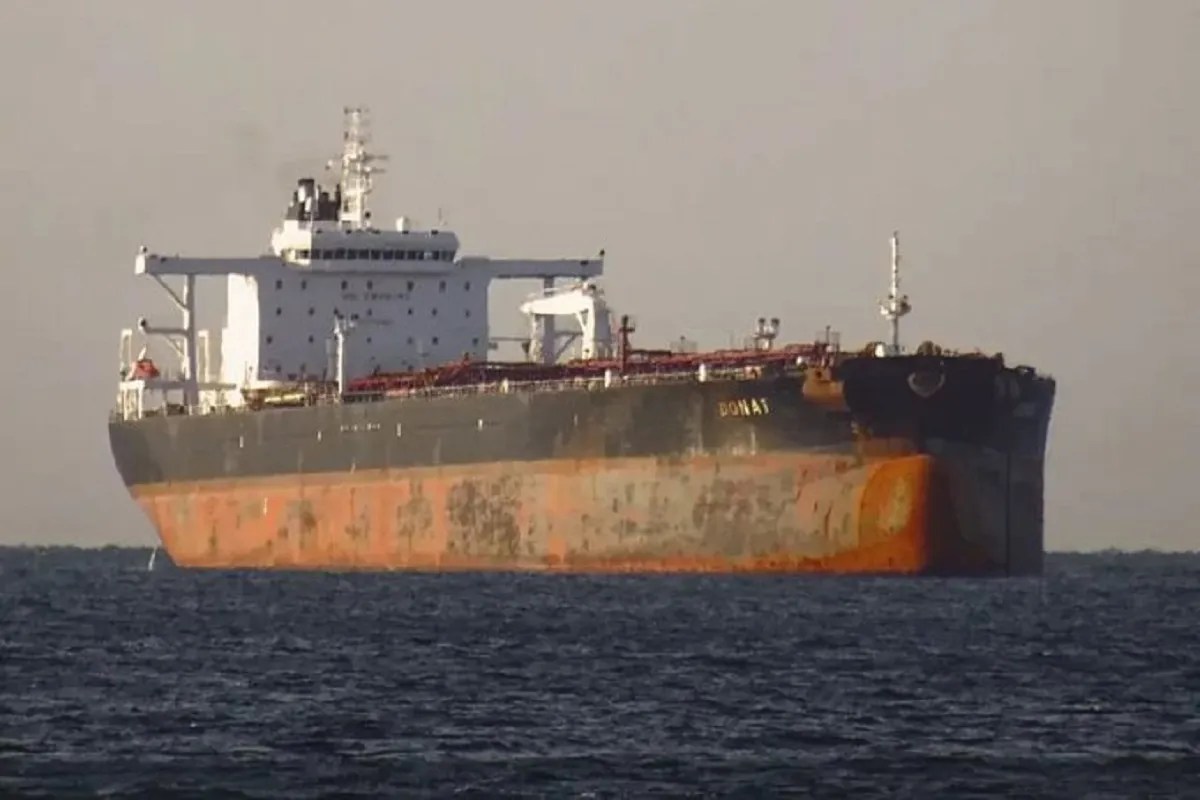
The headlines are breathless. A Russian oil tanker, originally destined for China, pulls a dramatic mid-ocean U-turn and starts steaming toward India. The pundits are already out in force, spinning a tale of "strategic agility" and "India’s growing dominance in the energy market."
They are wrong. Building on this topic, you can find more in: The Childcare Safety Myth and the Bureaucratic Death Spiral.
This isn't a masterstroke of geopolitical chess. It is a frantic, last-minute scramble. When a Sokol or Urals grade tanker changes course mid-voyage, it isn't because the seller found a better deal. It is because the original deal collapsed under the weight of payment disputes, Western sanctions, or the sheer inability of Chinese independent refiners—the "teapots"—to process the specific crude grade at that specific moment.
If you think this is a sign of India’s strength, you don't understand how thin the margins are in the shadow fleet trade. Observers at CNBC have also weighed in on this matter.
The Myth of the Strategic Pivot
The narrative suggests that Russia is choosing India over China. The reality? Russia is desperate.
Moving oil via the "shadow fleet"—that aging, under-insured collection of vessels with opaque ownership—is a logistical tightrope. Every day a tanker spends idling or backtracking is a massive drain on the netback price.
When a ship destined for China turns toward India, it's usually because the Chinese bank involved suddenly got cold feet about G7 price cap compliance. Or perhaps the buyer demanded a discount so steep it made the Indian alternative, even with the extra sailing days, look slightly less catastrophic.
I have seen traders lose their shirts on these "pivots." You aren't seeing a shift in alliance; you are seeing a distressed asset looking for a home.
India Isn't Doing Russia a Favor
India has been hailed as Russia’s "all-weather friend" for absorbing millions of barrels of discounted crude. Let’s be clear: India is the ultimate opportunistic buyer.
Indian refiners, particularly the private giants, have mastered the art of "cracking" Russian oil and selling the refined product to Europe. It is a giant circle-back. But this trade is becoming increasingly expensive to maintain.
- The Currency Trap: Russia has billions of Indian Rupees sitting in Indian banks that it cannot easily spend or convert. This "Rupee-Ruble" trade is a failure.
- The Logistics Tax: The cost of shipping, insurance (often "alternative" insurance), and ship-to-ship transfers eats the discount.
- The Secondary Sanction Shadow: The US Treasury is tightening the screws on individual vessels. A U-turn isn't just a change of destination; it’s often a desperate attempt to avoid a port that has just become too hot to handle.
The Sokol Grade Crisis
Most of these mid-sea reversals involve Sokol crude. This isn't your standard Urals blend. It’s a light, sweet grade that requires specific refinery configurations.
When a tanker of Sokol gets rejected by China, it heads to India because India has the sophisticated refining capacity to handle it. But India knows Russia has nowhere else to go. The "U-turn" gives Indian negotiators even more leverage. If you think the Russians are happy about this, you haven't been in the room when these contracts are signed. Russia is being squeezed from both sides.
The Hidden Cost of the Shadow Fleet
We need to talk about the ships. These tankers are often twenty years old, flying flags of convenience from countries that couldn't find a tanker on a map.
When a ship makes a U-turn, it increases the risk of mechanical failure or an environmental disaster. If a tanker spills in the Indian Ocean while operating under a "ghost" insurance policy, the "strategic win" of cheap oil becomes the most expensive cleanup in history.
Western analysts focus on the "price cap." They should be focusing on the "risk cap." We are one engine failure away from a geopolitical and ecological crisis that no amount of discounted crude can fix.
Why the "China-India Competition" Narrative is a Lie
The media loves a good "India vs. China" rivalry story. In the oil market, they aren't competing for Russian favor; they are competing to see who can exploit Russian desperation more effectively.
China has its own domestic production and diversified pipelines from Central Asia. India is almost entirely dependent on sea-borne imports. Russia isn't "playing" them against each other. It is begging for a buyer that can navigate the minefield of SWIFT bans and maritime law.
The Reality of Energy Security
True energy security is built on stability and predictable supply chains. This "U-turn" commerce is the opposite of that. It is erratic, high-risk, and built on a foundation of evasion.
For India, the short-term gains are clear: cheaper fuel and a refining boom. But the long-term cost is an entanglement with a crumbling supply chain that could be severed by a single US executive order or a catastrophic tanker leak.
Stop calling it a "pivot." Start calling it what it is: a distress signal from a market that is breaking under pressure.
If you want to understand the real flow of power, don't look at where the ships are going. Look at who is paying for the fuel and which currency they are using to do it. Right now, Russia is selling its future for a handful of Rupees it can't even spend.
Go look at the AIS tracking data for the next month. You won't see a "winning" strategy. You'll see a fleet of ghosts wandering the ocean, praying for a port that doesn't care about the rules.