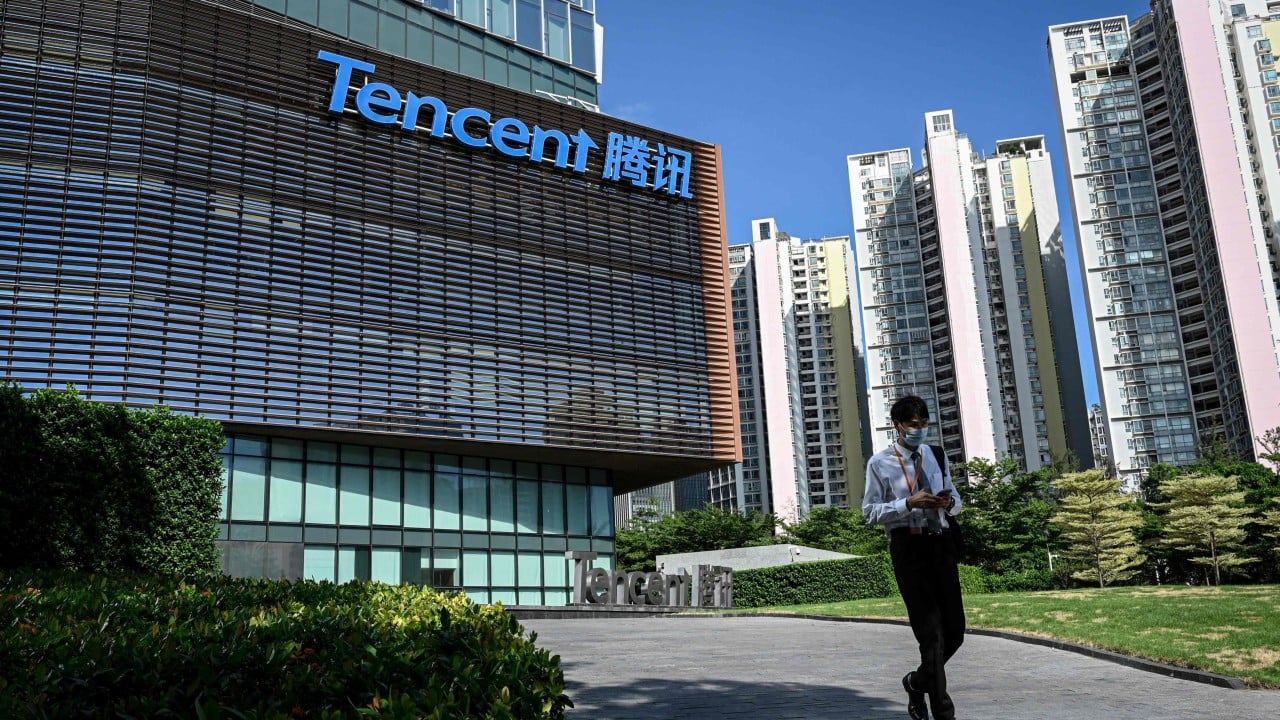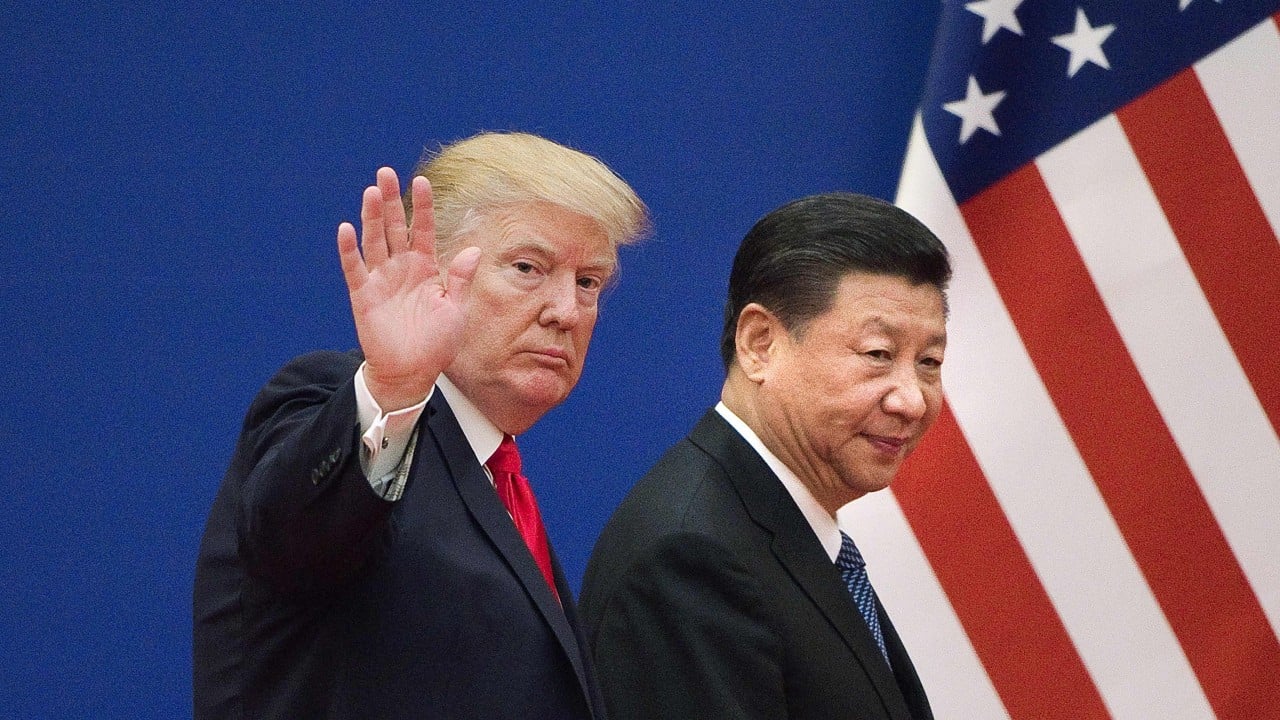
The financial press is addicted to the theater of the "Great Man" theory of history. Right now, every desk from London to Hong Kong is fixated on a singular event: a potential summit between Xi Jinping and Donald Trump. The narrative is as predictable as it is lazy. Analysts suggest that a handshake, a shared meal, or a vague memorandum of understanding will suddenly stabilize the volatile markets of mainland China and the Hang Seng.
They are wrong. Expanding on this topic, you can find more in: The Childcare Safety Myth and the Bureaucratic Death Spiral.
Watching the tickers in Hong Kong and Shanghai for signs of "diplomatic progress" is a fool’s errand. If you are waiting for a summit to decide your entry or exit point, you aren't an investor; you’re a spectator at a high-stakes poker game where you can’t even see the cards. The volatility we see isn't a symptom of "uncertainty" that a meeting can fix. It is the result of a structural decoupling that is already baked into the global economy.
The Myth of the "Stabilizing Summit"
The common consensus claims that clear communication between Washington and Beijing reduces risk premiums. This logic assumes we are still living in 2015. Back then, trade was a tool for cooperation. Today, trade is a theater of war. Experts at Bloomberg have shared their thoughts on this situation.
When Trump and Xi sit across from each other, they aren't looking for a "win-win." They are looking for leverage to use in a domestic play. For Trump, the goal is to project strength to a base that demands protectionism. For Xi, the goal is to maintain the internal narrative of a China that cannot be bullied while managing a debt-laden property sector that is rotting from the inside out.
A summit doesn't solve the fact that the U.S. has effectively banned the export of high-end chips to China. It doesn't solve the fact that China is aggressively pivoting toward "Internal Circulation"—a strategy designed to make the West irrelevant to their growth. A handshake doesn't change a $P/E$ ratio when the underlying earnings are being squeezed by demographic collapse and regulatory crackdowns.
Stop Asking if the Conflict Will End
People keep asking: "When will the trade war stop?" That is the wrong question. The real question is: "How do I price a world where the trade war never ends?"
We have entered an era of "Permanent Friction." In this environment, the traditional metrics of valuation are broken. I have watched hedge funds lose billions trying to "buy the dip" in Chinese tech, assuming that the regulatory environment would "normalize" after a diplomatic thaw. It won't. The CCP's priority is social stability and technological sovereignty, not the quarterly returns of a New York-listed ADR.
Consider the $Equity Risk Premium$ (ERP). In a standard market, you calculate:
$$ERP = Expected Market Return - Risk-Free Rate$$
In the current China-US context, you have to add a "Geopolitical Divorce Tax." This isn't a temporary spike in volatility; it’s a permanent shift in the cost of capital. If your model doesn't account for a 300 to 500 basis point drag due to the risk of sudden sanctions or delistings, your model is a work of fiction.
The Hong Kong Illusion
The Hang Seng Index used to be the "Goldilocks" zone—the bridge between Western capital and Eastern growth. That bridge has been dismantled. Hong Kong is now just another Chinese city with a slightly different legal history.
The "conflict" everyone is worried about isn't just about tariffs. It’s about the plumbing of the global financial system. When the U.S. uses the dollar as a weapon, and China responds by building the mBridge or promoting the e-CNY, the very foundation of Hong Kong’s utility as a financial hub cracks.
Investors eyeing the summit for a "return to normalcy" for Hong Kong stocks are ignoring the reality that the city's role has fundamentally changed. It is no longer a gateway; it is a firewall.
Why Conflict is the New Alpha
If you want to make money in this environment, stop looking for peace. Look for the friction points. The "lazy consensus" says conflict is bad for business. In reality, conflict is the greatest creator of new industries we’ve seen in decades.
- Redundant Supply Chains: The death of "Just-in-Time" is the birth of "Just-in-Case." Companies like Mitsubishi or regional players in Vietnam and Mexico are feasting on the chaos. They don't need a summit to succeed; they need the tension to persist.
- Defense and Hard Tech: While the "peace dividend" is dead, the "sovereignty dividend" is just beginning. If a company's product is essential to national security—whether that's cybersecurity in Maryland or EV batteries in Shenzhen—it is immune to the whims of a presidential meeting.
- Commodity Arbitrage: As the world splits into two trading blocs, the middle-men—the "neutrals" like the UAE, Singapore, and India—become the most important players on the board.
The High Cost of Being "Reasonable"
The most dangerous thing an investor can be right now is "reasonable." A reasonable person looks at the Xi-Trump dynamic and thinks, "Surely, they see that trade benefits both sides. Surely, they will find a middle ground."
This "reasonableness" is a projection of Western, neoliberal values onto actors who have moved past them. Xi Jinping is not a CEO; he is a transformational leader focused on a hundred-year marathon. Trump is not a diplomat; he is a disruptor who views trade as a zero-sum game.
I’ve seen portfolios vaporize because managers "reasoned" that China wouldn't crack down on its own most successful tech companies. They were wrong because they applied a Western profit-motive lens to a system that prioritizes power-motive. The summit is just another layer of that same trap.
Don't Trade the Event, Trade the Trend
The trend is clear:
- Bifurcation: Two distinct financial and technological ecosystems.
- De-dollarization: A slow but deliberate migration away from USD-clearing systems.
- Statism: The return of industrial policy where governments, not markets, pick winners.
A summit might give you a 48-hour relief rally. It might even lead to a "truce" that lasts a few months. But the underlying physics of the global economy have shifted. The tectonic plates are moving. If you’re focused on the weather on the surface—the tweets, the photo ops, the joint statements—you’re going to get crushed by the earthquake happening underneath.
The Actionable Pivot
Stop looking at the ADRs (American Depositary Receipts). If you want exposure to China, you have to be in the A-shares, and you have to be in sectors aligned with the state's five-year plan. If you want to bet against the conflict, don't buy the Hang Seng; buy the "neutral" nations that facilitate the workarounds.
Most importantly, accept that the "Golden Age" of globalized finance is over. We are in the era of the Fortress Balance Sheet. Companies with heavy exposure to the US-China crossfire should be treated as distressed assets, regardless of their current cash flow.
The summit is a show. The conflict is the reality.
Bet on the reality.
Ignore the noise of two men shaking hands for the cameras while their subordinates draft the next round of export bans in the back room. The market isn't waiting for a resolution; it's waiting for you to realize that the resolution isn't coming.
Check your exposure to the semiconductor supply chain and tell me if a dinner in Mar-a-Lago or Beijing changes the physics of lithography.