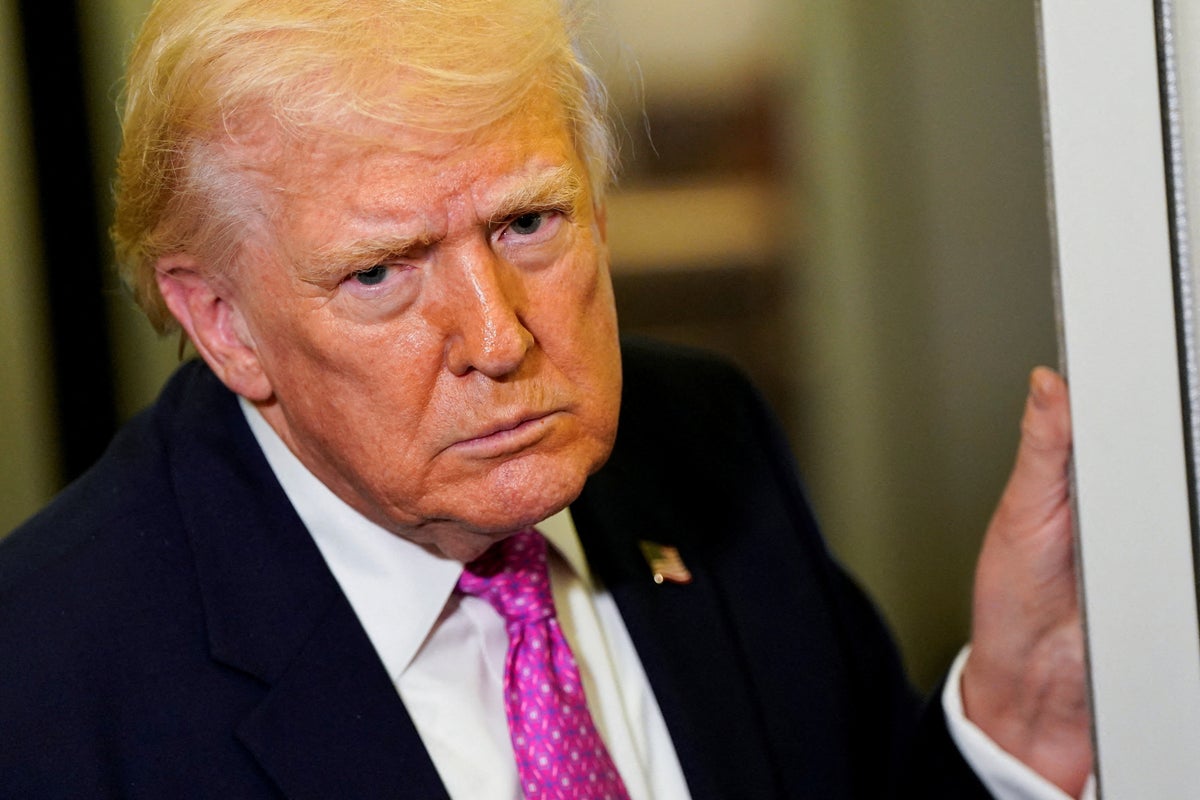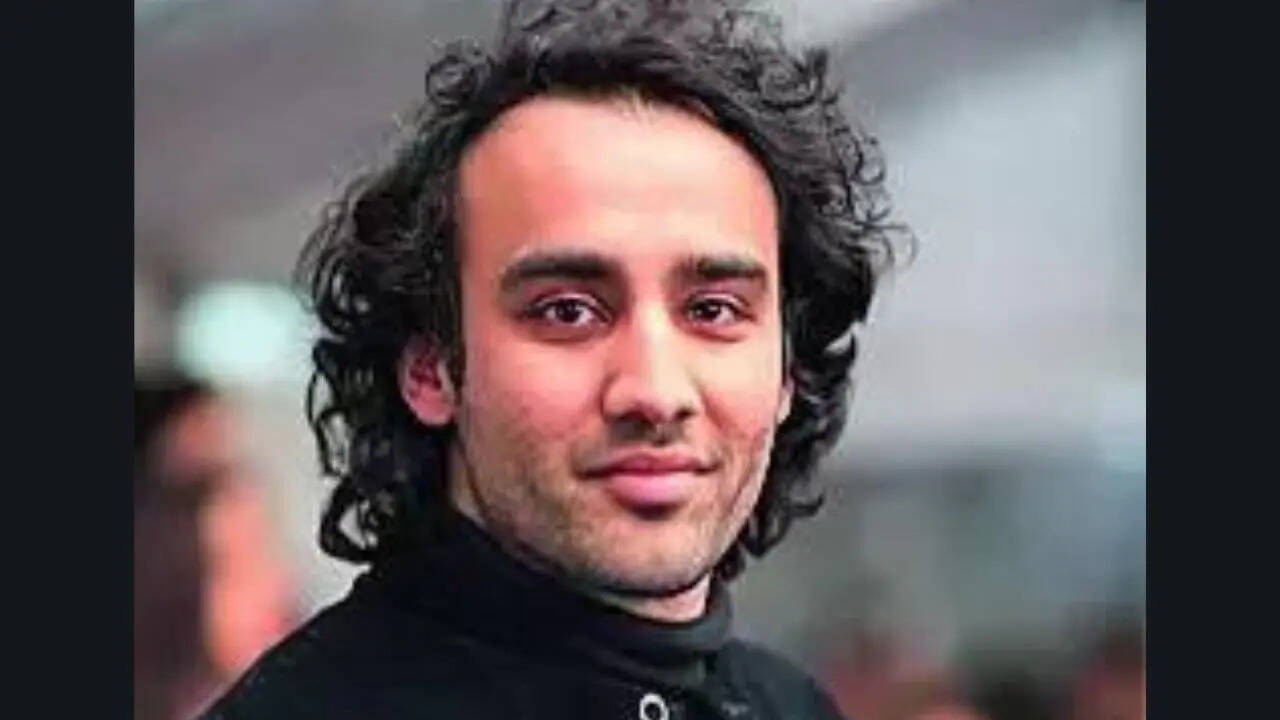
The narrative is tempting: a 35-year-old tech nomad, armed with a Ledger Nano and a Twitter following, whispers into the ears of Mar-a-Lago elites to rewrite the destiny of a nuclear-armed nation. It’s a fairy tale for the Web3 era. It’s also a total hallucination.
The mainstream press loves the "crypto bro saves the day" trope because it’s easy to write. It frames complex geopolitical shifts as a Silicon Valley underdog story. But if you believe a single person "won over" the Trump administration for Pakistan through the power of blockchain proximity, you don’t understand how power works, and you definitely don't understand how the Trump orbit functions. Recently making headlines lately: The Jurisdictional Boundary of Corporate Speech ExxonMobil v Environmentalists and the Mechanics of SLAPP Defense.
This isn't a story about innovation or digital frontierism. It’s a story about the commodification of access and the dangerous precedent of treating sovereign foreign policy like a seed-round pitch.
Access is Not Influence
The biggest lie in the tech-adjacent political space is that access equals influence. Just because someone gets a photo-op at a fundraiser or shares a group chat with a transition team member doesn't mean they are moving the needle on U.S.-Pakistan relations. Further information into this topic are detailed by CNBC.
In the real world, foreign policy is a grind of intelligence briefings, State Department memos, and Pentagon objectives. The idea that a "crypto bro" bypassed these institutional monoliths by being "vibe-adjacent" to the MAGA movement ignores the cold reality of the "America First" doctrine. Trump’s world doesn't care about the egalitarian promises of decentralized finance. They care about leverage.
If Pakistan is finding a friendlier ear in Washington, it isn't because of a crypto pitch. It's because of a calculated realignment of interests involving China, the Taliban, and regional stability. Attributing this to a single digital nomad is a disservice to the actual diplomats—and a gross overestimation of the "crypto bro" brand.
The Grifter’s Playbook in High-Stakes Diplomacy
I’ve seen dozens of "consultants" burn through millions in venture capital promising they have "the plug" in Washington. They sell the optics of proximity. They post selfies from the lobby of the Hay-Adams. They claim they are the bridge between the old world and the new.
In most cases, these individuals are simply arbitrageurs of status. They take a sliver of relevance in the tech world and try to trade it for a seat at the geopolitical table. The danger for a country like Pakistan—a nation perpetually on the brink of an IMF bailout—is that they might actually believe the hype.
When a nation-state relies on informal, tech-bro channels to conduct its diplomacy, it risks its long-term credibility for a short-term headline. You cannot run a country’s foreign policy via a Telegram group. The volatility of the crypto market is nothing compared to the volatility of informal political favors.
Why the Blockchain Angle is a Distraction
The competitor's piece leans heavily on the "crypto" aspect of this personality. Why? Because "crypto" sounds like "the future."
Let’s be precise: Blockchain is a ledger. It is not a diplomatic strategy.
Using crypto as a calling card in the Trump administration is a tactical move, not a philosophical one. It’s a way to signal "I am one of you—a disruptor who hates the central banks." But don't mistake that signal for substance. The Trump administration’s interest in crypto isn't about decentralization; it's about US dollar dominance in a new format.
If you think Pakistan is going to fix its hyperinflation or its debt crisis by leaning into the crypto-lobby’s good graces, you’ve been drinking the Kool-Aid. A country needs structural reform, industrial growth, and tax collection. It doesn't need a Bitcoin beach.
The "New World" vs. The Real World
Imagine a scenario where a country bets its entire diplomatic strategy on the whims of a few tech-savvy intermediaries. For a moment, it looks brilliant. You get the tweets. You get the shout-outs.
Then, the administration changes. Or the "bro" in question gets caught in a SEC probe. Or the geopolitical reality of the Afghan border shifts. Suddenly, you realize you haven't built a relationship with a country; you’ve built a relationship with a temporary occupant of a 24-hour news cycle.
Institutional memory in Washington is long. The "insurgents" currently occupying the spotlight will eventually be replaced by a different flavor of operative. When that happens, Pakistan will find that the traditional pillars of diplomacy—treaties, trade agreements, and security cooperation—are the only things that actually hold weight.
The High Cost of the "Quick Fix"
The "crypto bro" narrative appeals to the desire for a shortcut. Pakistan’s problems are deep, systemic, and painful. The idea that a tech-savvy outsider can bypass decades of friction is an intoxicating drug.
But shortcuts in diplomacy usually lead to dead ends. By elevating these fringe characters, Pakistan risks alienating the professional civil servants and military leaders who actually manage the U.S.-Pakistan relationship. It creates a "shadow" foreign policy that is unaccountable and, frankly, amateurish.
Stop Falling for the Narrative
The media loves these stories because they are "clickable." They combine the two most hyped topics of the decade: MAGA politics and Crypto. It’s a match made in engagement-algorithm heaven.
But we need to stop treating these figures as serious geopolitical actors. They are, at best, social lubricants. At worst, they are distractions that prevent us from seeing the real mechanics of power.
The real story isn't that a 35-year-old helped Pakistan win over Trump’s world. The real story is that the bar for "influence" has dropped so low that we now mistake a few high-profile handshakes for a shift in global power.
Pakistan doesn't need a savior with a hardware wallet. It needs a coherent, long-term strategy that doesn't rely on the fluctuating social capital of the tech elite. Any nation that lets its foreign policy be dictated by the "vibes" of a particular tech subculture is a nation that is begging to be left behind when the next trend arrives.
Stop looking for the disruptor in the hoodie. Start looking at the trade balances, the regional security pacts, and the energy corridors. That’s where the real work happens. Everything else is just noise for your feed.
Diplomacy is a game of chess played over centuries. Treating it like a DeFi rug pull is the fastest way to lose the board.