The collapse of high-profile "immersive experiences" follows a predictable sequence of logistical overextension and a failure to reconcile digital marketing expectations with physical reality. When a Barbie-themed event—ostensibly capitalizing on the brand’s cinematic resurgence—devolves into immediate refund requests and "Wonka-like" comparisons, the failure is not merely a public relations lapse. It is a fundamental breakdown in the supply chain of consumer trust. This analysis deconstructs the structural deficiencies that lead to such events, moving beyond the surface-level complaints of disappointed attendees to examine the core operational mechanics of experiential marketing failures.
The Disconnect Between Aesthetic Arbitrage and Asset Procurement
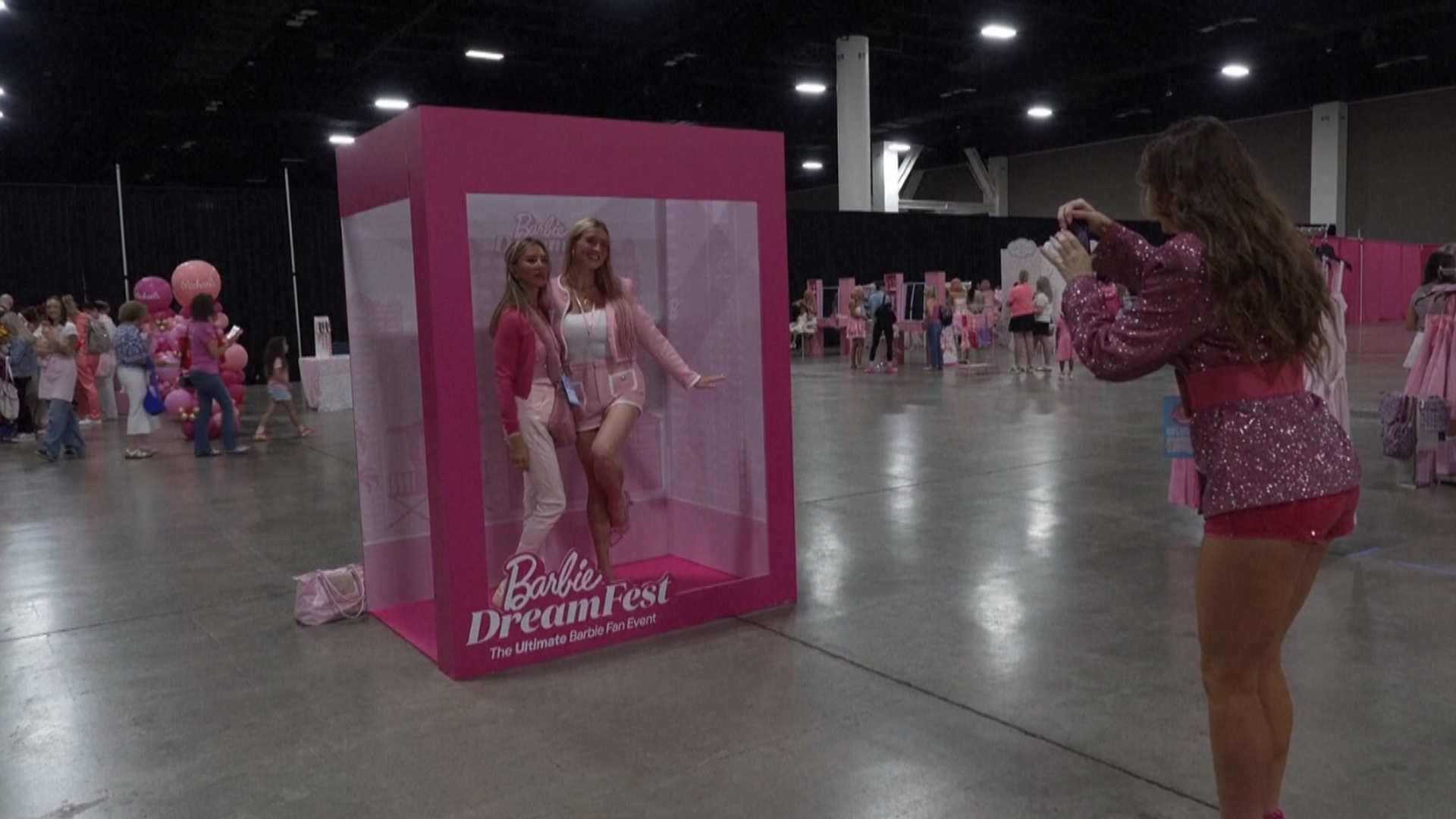
Event organizers frequently engage in aesthetic arbitrage, where the value of the digital marketing assets significantly exceeds the value of the physical infrastructure provided. This gap creates an immediate deficit in consumer perceived value. In the specific context of the Barbie-themed events, the failure points occur within three distinct operational layers:
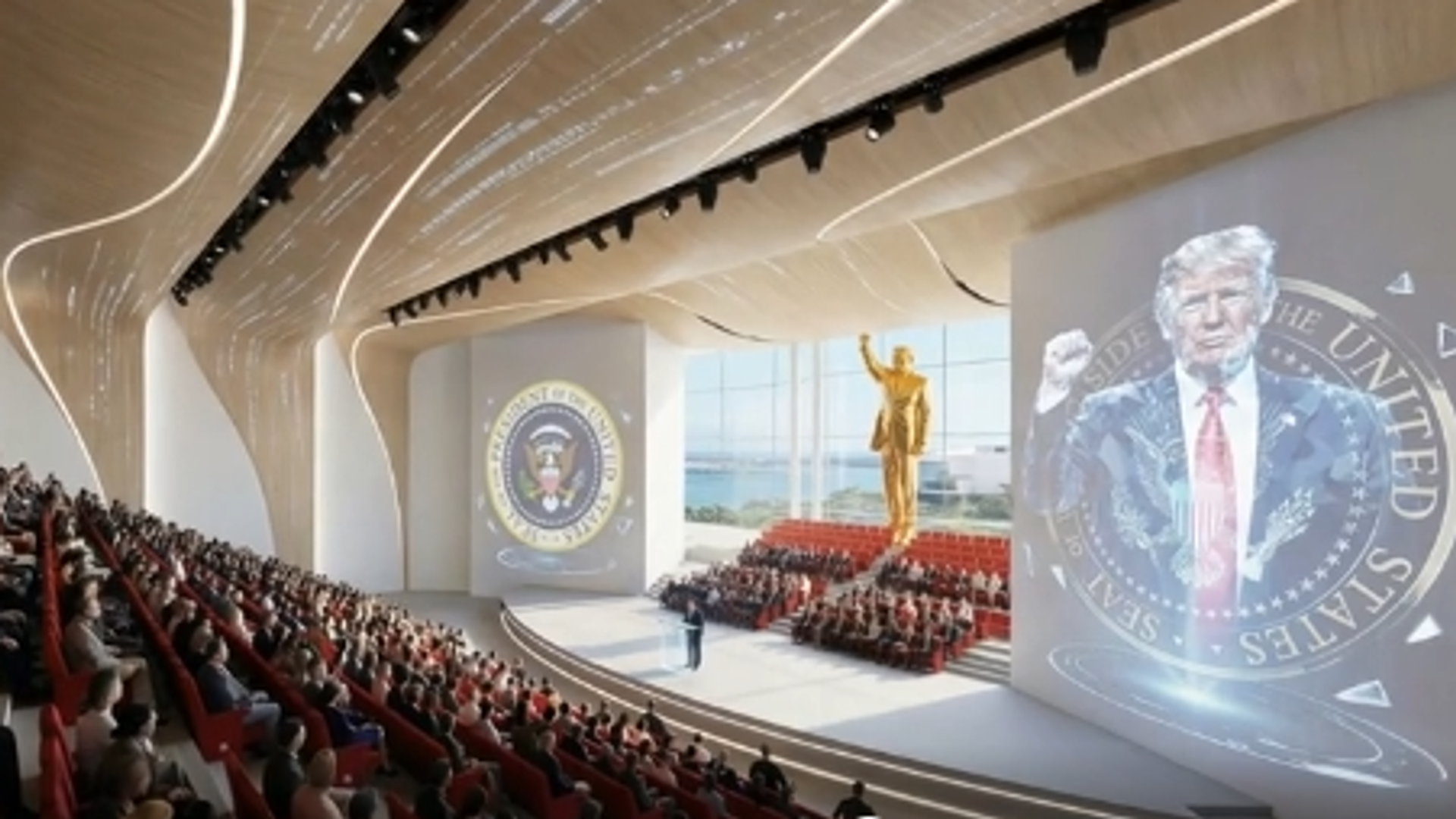
- The Digital-Physical Asymmetry: Marketing materials often utilize AI-generated or high-fidelity renders that imply a level of detail and immersion that the venue’s budget cannot sustain. When the physical environment consists of low-cost vinyl banners and sparse props, the cognitive dissonance triggers an immediate "scam" response from the consumer.
- The Scalability Trap: Small-scale organizers attempt to replicate the production value of multi-million dollar corporate activations (like those seen in Los Angeles or London) without the requisite capital or vendor networks. The result is a "diluted experience" where the density of interaction points is too low for the ticket price.
- Intellectual Property (IP) Friction: Unofficial events operate in a legal gray area, often lacking the support of the IP holder (Mattel). This lack of official partnership limits the organizer’s access to authentic assets, forcing reliance on "inspired-by" approximations that inevitably feel cheap to a brand-literate audience.
The Cost Function of Immersion
Immersion is not a subjective quality; it is a measurable output of sensory density. An event fails when the cost per square foot of "immersive space" is prioritized over the quality of the interactions within that space. We can define the success of such an event through a simple logic: the Immersion Coefficient. This is the ratio of sensory touchpoints (actors, tactile elements, high-fidelity sets) to the total square footage of the venue.
Events labeled as "Wonka'd"—referring to the disastrous Glasgow event of early 2024—suffer from an Immersion Coefficient near zero. They occupy large, industrial spaces (warehouses or gymnasiums) but fail to fill them with anything other than air and a few isolated set pieces. This creates "dead zones" where the attendee is acutely aware of the mundane reality of the building, breaking the suspension of disbelief required for a premium-priced ticket.
The financial incentive for organizers is to maximize "through-put" (the number of attendees per hour) while minimizing "variable overhead" (staffing and consumables). However, in experiential markets, the variable overhead is the product. When staff members are under-trained or disinterested, and the promised "treats" or "gifts" are of sub-market quality, the consumer realizes they have paid for a product that does not exist in the physical realm.
Critical Failure Points in Event Logistics
The transition from a successful ticket launch to a failed execution usually happens at the intersection of local procurement and staffing.
Vendor Unreliability and Last-Minute Substitution
Organizers often book venues and sell tickets before securing specific set designers or caterers. If a vendor pulls out or a budget shortfall occurs, the organizer resorts to "panic procurement"—buying off-the-shelf party supplies from big-box retailers to fill a space meant for custom fabrication. This is the moment an immersive event becomes a child’s birthday party with a $50-100 entry fee.
The Staffing Bottleneck
High-end activations require actors who can maintain a persona and guide the narrative. Low-budget failures almost exclusively hire temporary workers via gig apps who have no stake in the brand and no rehearsal time. The lack of a "human buffer" to manage expectations means that when things go wrong, there is no one on the floor capable of de-escalating the situation through performance or professional service.
Refund Cascades and the Liquidity Crisis
The moment social media images of a sparse venue go viral, the event faces a liquidity crisis. Unlike a retail product that can be returned to a shelf, an event's "inventory" is time-bound. A refund request on day one of a three-day event often cannot be honored because the capital has already been spent on venue rental and marketing. This leads to the "locked doors" or "silent organizer" scenario that characterizes these failures.
The Strategic Miscalculation of Modern Fandom
Organizers often underestimate the forensic nature of modern fans. Consumers in the Barbie ecosystem are not just looking for "pink things"; they are looking for a specific cultural resonance. They are highly attuned to the difference between a curated brand experience and a parasitic brand exploitation.
The "Wonka" comparison is now a permanent part of the consumer lexicon. It serves as a shorthand for "low-effort, high-markup bait-and-switch." Any event that fails to provide a baseline of aesthetic density will now be categorized under this framework, leading to a faster rate of failure as news travels in real-time.
Risk Mitigation for Experiential Investors
To avoid the operational pitfalls of the "Barbie event" model, organizers must shift from a marketing-first to a logistics-first framework.
- Implement a 1.5x Redundancy on Physical Assets: If the marketing promises ten interactive rooms, the budget must support fifteen to ensure that if five are subpar, the core value proposition remains intact.
- Decouple Ticket Sales from Operating Capital: Using early ticket sales to fund the initial build-out is a high-risk strategy. If sales are slower than projected, the build-out is compromised, ensuring poor reviews and the death of future sales.
- Establish a "Phygital" Audit: Before doors open, the venue must be audited against the marketing materials. If the discrepancy exceeds a 20% visual variance, the event should be delayed or the ticket price adjusted downward proactively.
The current trend of "pop-up" immersive events is reaching a saturation point where consumer skepticism will soon outweigh the novelty of the theme. The only sustainable path forward is the professionalization of the middle-market event space. This requires a move away from the "capture and release" model of ticket sales—where the goal is to get the money and survive the weekend—toward a model where the brand equity of the organizer is more valuable than the temporary license they are exploiting.
The strategic play for any entity entering this space is the "Minimum Viable Immersion" (MVI) protocol. Instead of attempting to fill a 10,000-square-foot warehouse with a 1,000-square-foot budget, the organizer must shrink the footprint to match the capital. A dense, high-quality experience in a 500-square-foot room is infinitely more profitable and sustainable than a hollowed-out "immersive" disaster in a stadium. Total square footage is a liability; sensory density is the only asset.