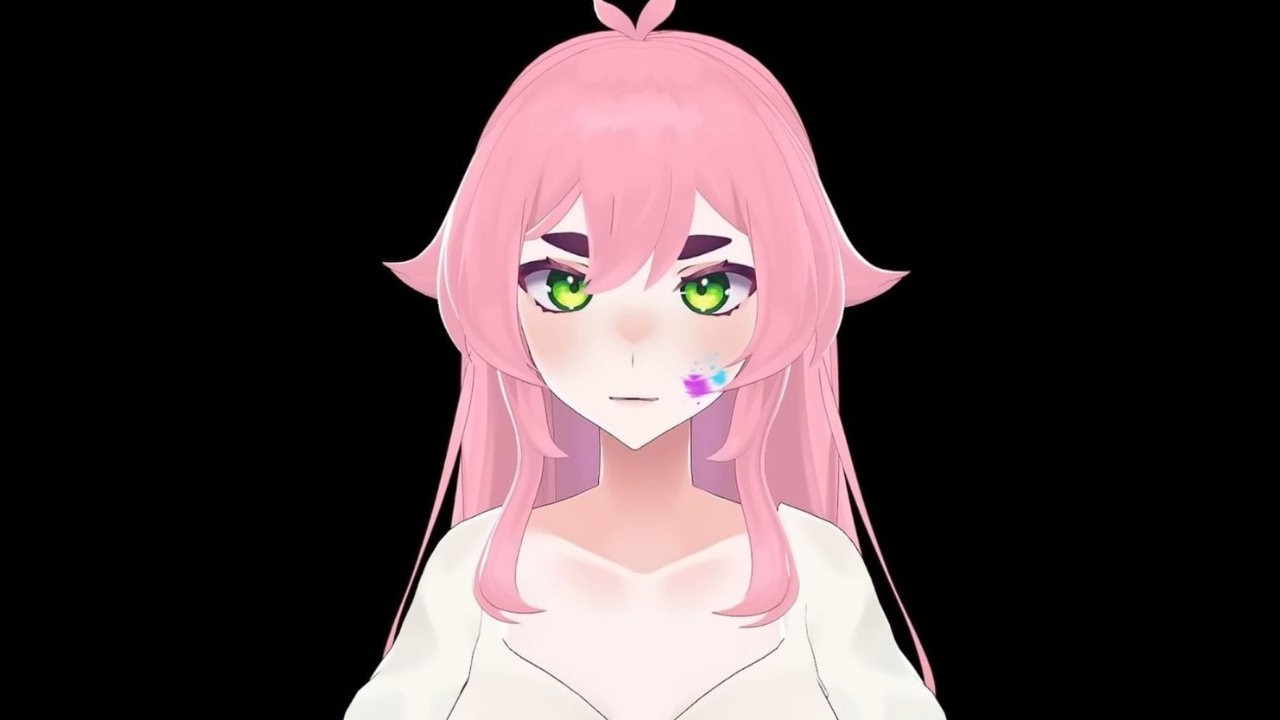
Celestium is gone from Twitch. If you try to visit her channel right now, you're met with that generic "content is unavailable" screen that has become the digital tombstone for creators. The pink-haired VTuber, known for her sharp tongue and an anime avatar that looks like it stepped out of a high-end JRPG, got hit with a permanent suspension. Twitch says it’s for hateful conduct. Celestium says she’s being framed.
The internet doesn't do "quiet" when something like this happens. Within hours of the ban, the VTubing corner of Twitter was a war zone. One side is celebrating the removal of a creator they view as toxic. The other side is screaming about "mass reporting" and the "death of free speech" on a platform that has always had a rocky relationship with its rules. This isn't just about one person losing their job. It's a snapshot of why the VTuber scene is both the most vibrant and the most paranoid community in gaming.
Why Celestium Got the Boot
Twitch doesn't usually hand out permanent bans for a first offense unless something went seriously sideways. The official label for the ban is "Hateful Conduct." On Twitch, that's a broad bucket. It covers everything from using slurs to inciting your audience to harass others. For Celestium, the "hateful conduct" tag seems to stem from a series of clips where her persona—which is inherently edgy—crossed a line that the safety team couldn't ignore.
The problem with being an edgy VTuber is the "mask" effect. When you're behind a 2D or 3D model, you feel a layer of separation from the real world. That separation often leads to streamers saying things they wouldn't dream of saying if their real face was on camera. I’ve seen it a hundred times. A creator builds a brand on being "unfiltered," and then they're shocked when the platform actually filters them.
Celestium isn't taking this lying down. She’s been vocal on social media, claiming that she’s the victim of a coordinated mass reporting campaign. According to her, a group of dedicated haters took her clips out of context and flooded the Twitch reporting system until a bot or an overworked moderator pulled the trigger. Is she right? Maybe. But Twitch’s internal policy generally requires a human review for permanent bans on large accounts. If she’s gone for good, someone at Twitch HQ looked at the evidence and decided she was a liability.
The Mass Reporting Myth vs Reality
You hear the term "mass reporting" every time a controversial streamer gets banned. It’s the ultimate shield. It turns a perpetrator into a victim. But here’s the truth about how Twitch actually works. Reporting someone a thousand times doesn't automatically ban them. If it did, every major streamer would be banned every single day by rival fanbases.
Reports function as a flag. They tell the moderation team, "Hey, look over here." If a thousand people report a stream for nudity but everyone is wearing clothes, nothing happens. However, if a thousand people report a stream for "Hateful Conduct" and the streamer actually said something that violates the Terms of Service, the reports did their job. They forced Twitch to pay attention.
Celestium’s claim of being targeted might be true in the sense that people were actively looking for a reason to get her banned. But "looking for a reason" and "making up a reason" are two different things. If the clips exist, the intent of the reporter doesn't matter to Twitch. The platform cares about the content, not the motivation of the person who clicked the report button.
The VTuber Identity Crisis
The VTuber community is in a weird spot in 2026. What started as a niche hobby for anime fans has turned into a billion-dollar industry. With that growth comes a massive amount of scrutiny. When you have an avatar, you're a character. But Twitch treats you like a human. This disconnect is where stars like Celestium get into trouble.
- Anonymity breeds boldness. Streamers think the avatar protects their real-life identity, so they push boundaries.
- The "Character" Defense. When caught saying something offensive, the go-to excuse is "I was just playing a role."
- Parasocial Warfare. VTuber fans are incredibly loyal. When their favorite creator is banned, they don't just move on. They go to war.
We saw similar situations with creators like Ironmouse or even some of the Hololive talents in the past, though usually with less "hateful conduct" and more copyright drama. Celestium represents the "indie" side of the coin where there’s no corporate agency to keep you in check. You’re the CEO, the performer, and the PR department. When you mess up, there’s no one to catch you.
Fighting a Twitch Suspension is a Losing Game
If you're Celestium, how do you get back? Honestly, you probably don't. Twitch’s appeal process is notoriously opaque. You send an appeal into a void and wait weeks for a "no." Since her ban is for hateful conduct, the mountain she has to climb is much steeper than if it were a DMCA strike.
Twitch takes a hard stance on "hate" because advertisers are terrified of it. No brand wants their 30-second spot running next to a pink-haired anime girl shouting things that require a content warning. It’s a business decision. Twitch would rather lose a mid-sized streamer and their sub revenue than lose a multi-million dollar ad contract because a "Brand Safety" bot flagged the site as toxic.
What Happens to the Community Now
The fallout of the Celestium ban is already spreading. Other "edgy" VTubers are scrubbing their VODs. They're terrified. They should be. The era of "anything goes as long as you have an avatar" is officially over.
- VOD Deletions. Expect to see a lot of "deleted" or "private" videos across the VTuber landscape this week.
- Platform Hopping. We’re seeing a massive migration toward Kick or YouTube. Celestium will likely end up on Kick, where the moderation is basically a suggestion rather than a rule.
- Internal Policing. Discord servers for these communities are tightening up. They're trying to hide the "edgy" content before it leaks to Twitter and triggers another round of reports.
The Bottom Line on Celestium
Celestium’s ban wasn't a mistake. It was the inevitable result of a creator testing the fences until the power went out. Whether or not you think her "hateful conduct" was actually hateful is irrelevant. What matters is that Twitch decided it was. In the world of platform-hosted content, the platform is the judge, jury, and executioner.
If you're a fan, you're likely feeling betrayed. If you're a critic, you're feeling vindicated. But if you're a streamer, you should be taking notes. The "mass reporting" excuse is a band-aid for a much deeper problem. You can't build a career on a platform you don't own and then complain when the owners change the locks.
Check your own digital footprint. If you have "edgy" clips floating around from two years ago, delete them. If you’re part of a community that prides itself on "pushing the envelope," realize that the envelope has a return address. Use a service like Twitch-VOD-Downloader to save your content before a ban happens, because once that screen goes black, your history is gone forever. Move your community to a platform you control, like a personal Discord or a private site, so a single ban doesn't end your career.