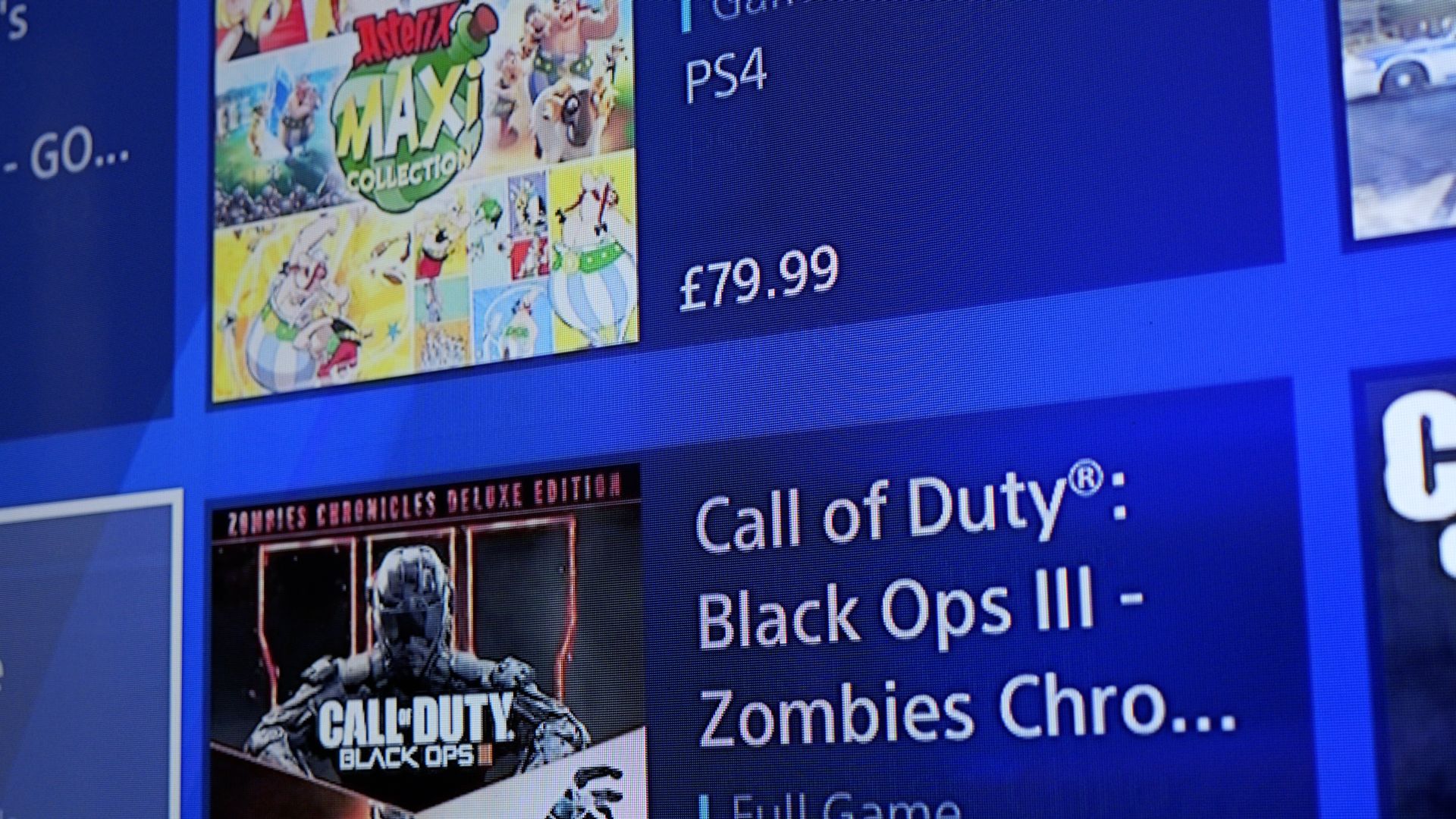
Sony might have a multi-billion dollar headache on its hands. If you’ve bought a digital game or an expansion pack on the PlayStation Store since 2016, you’re likely part of a massive legal battle currently unfolding in London. The Competition Appeal Tribunal is hearing arguments that could force the tech giant to pay out up to £5.9 billion in damages. That isn't pocket change. It’s a direct challenge to the "walled garden" business model that console makers have defended for decades.
The core of the argument is simple. Sony stands accused of abusing its dominant market position to overcharge customers. By forcing developers and publishers to use the PlayStation Store for all digital purchases, and then taking a massive 30% cut of every sale, they’ve arguably inflated the prices we all pay for our gaming habit.
The 30 percent tax that hits your wallet
When you buy a physical disc from a local shop or a big-online retailer, those businesses compete. They slash prices to get you through the door. Sony doesn't have that problem in the digital space. Once you buy a PS5, you're locked in.
Consumer rights champion Alex Neill is the face of this collective action. She argues that Sony’s iron grip on the digital ecosystem has led to "excessive and unfair" prices. It isn’t just about the $70 price tag on a new AAA release. It’s about the microtransactions in Call of Duty, the V-Bucks in Fortnite, and every small indie game that has to bake Sony's 30% commission into its pricing just to stay afloat.
Think about it this way. If a developer wants to make $20 on a DLC pack, they can't just list it for $20. They have to list it for significantly more to cover the "Sony Tax." Because there’s no other digital storefront allowed on the console, you don't have the option to go to a "PlayStation Steam" or an "Epic Games Store" to find a better deal. You pay Sony’s price, or you don't play.
Why this case is different from Epic vs Apple
You might remember the massive legal dust-up between Epic Games and Apple. That was a huge moment for the industry, but it didn't exactly trigger a revolution for iPhone users. This PlayStation case feels different because it’s a representative action. It’s specifically focused on the consumer's loss rather than just one company's profit margins.
The lawsuit covers roughly 8.9 million PlayStation users in the UK. If the court rules against Sony, the estimated compensation per person ranges from £67 to £562, plus interest. For the average gamer, that’s enough to cover several new releases or a couple of years of PlayStation Plus.
Sony’s defense team is swinging back hard. They claim the case is "flawed from top to bottom." Their legal argument rests on the idea that gaming is a competitive market. They point to Xbox, Nintendo, and PC gaming as evidence that they don't have a monopoly. But for most of us, switching platforms isn't easy. You’ve got your trophy list, your digital library, and your friends list all tied to one ecosystem. Leaving isn't just a matter of buying a different box; it’s about abandoning years of digital investment.
The myth of the loss leader console
For years, the industry narrative has been that Sony and Microsoft sell their consoles at a loss. They lose money on the hardware and make it back on the software. This is often used to justify that 30% cut. It’s the "cost of doing business" on a high-end machine.
But the lawsuit argues this justification doesn't hold water anymore. The PS5 has been out for years. Production costs have shifted. More importantly, the sheer volume of digital sales has exploded. When the PlayStation Store first launched, digital was a niche. Now, it’s the primary way people consume games. The "loss leader" argument starts to feel thin when the digital storefront becomes a literal money-printing machine that faces zero internal competition.
What this means for the future of digital ownership
If the tribunal decides Sony has been playing unfair, the ripples will go way beyond a one-time check in the mail. We could see a complete shift in how digital stores operate on consoles. Imagine a world where third-party stores can live on your PlayStation dashboard.
- Increased Competition: Other retailers could offer weekend sales that Sony refuses to match.
- Lower DLC Costs: Without the mandatory 30% slice, smaller developers might lower the entry price for content.
- Better Refund Policies: Competition often forces stores to improve their customer service and return windows.
Right now, Sony’s refund policy is notoriously stingy compared to Steam. If you download a game and find out it’s a buggy mess, you’re often out of luck. A more open ecosystem would fix that real quick.
How to know if you are part of the claim
You don't actually need to sign up for anything right now. This is an "opt-out" case. That means if you live in the UK and bought anything on the PlayStation Store between August 2016 and August 2022, you’re automatically included in the class.
The legal process is painfully slow. Don't expect a credit to your PlayStation Network account by next Tuesday. These types of cases can grind on for years as appeals move through the system. Sony has every incentive to drag this out, hoping the momentum dies down or the legal costs become too high for the claimants.
However, the fact that the court allowed this case to proceed to a full trial is a massive win in itself. It shows the judiciary is finally taking "platform power" seriously. They’re looking past the flashy marketing and focusing on the actual economics of the digital age.
Keep your receipts and your expectations in check
While the potential for a payday is exciting, the real value here is the precedent. We’re moving toward a digital-only future. Physical discs are becoming a niche product for collectors. If we don't establish rules for fair competition now, we’re essentially giving hardware manufacturers a permanent license to tax our hobby however they see fit.
Check your email for old PlayStation Store receipts from the last several years. You don't need to do anything with them yet, but it’s smart to have a record of your digital spending. If the settlement eventually goes through, having a clear trail of your purchases will make claiming your share much easier. Stay tuned to the official "PlayStation You Owe Us" website for updates on the proceedings. This isn't just about Sony; it’s about the right to a fair price in a world where we no longer own the things we buy.