The air in Santa Cruz de Tenerife usually tastes like salt and toasted almonds. It is a soft, reliable warmth that has anchored the identity of the Canary Islands for centuries, earning them the moniker of the "Fortunate Isles." But this week, the fortune has run dry. The horizon has turned a bruised, metallic purple, and the wind doesn't just blow; it screams.
Storm Therese did not arrive with a polite warning. She barged through the Macaronesian archipelago like an uninvited guest who intends to break the furniture. For the thousands of travelers who descended upon these volcanic outcrops seeking a reprieve from the gray doldrums of northern winters, the reality is a sharp, cold shock to the system. The brochure promised eternal spring. The sky is delivering a deluge.
Consider Maria. She is a hypothetical composite of the many business owners currently staring out of rain-streaked windows in Las Palmas. Maria runs a small surf school. Normally, her days are measured in the rhythm of Atlantic swells and the laughter of tourists fumbling with wetsuits. Today, her boards are lashed down under heavy tarps. The ocean is no longer a playground; it is a churn of white foam and dangerous debris. For Maria, five more days of Therese isn't just a weather forecast. It is a week of empty ledgers and damp upholstery. It is the sound of cancellations hitting her inbox like steady drips of water.
The meteorological data tells a blunt story, but the numbers fail to capture the sensory dissonance of snow in the subtropics. While the coastal resorts are being hammered by relentless rain, the peaks of Teide and the heights of Gran Canaria are vanishing under a white shroud. It is a surreal sight. Palm trees, symbols of tropical ease, are bowing under the weight of slush.
Therese is a slow-moving beast. That is the true cruelty of this system. It isn't a flash in the pan. Meteorologists are tracking a blocking pattern that has essentially tethered the storm to the islands. It sits there, spinning, drawing up moisture and throwing it down with a rhythmic, mechanical indifference. The forecast is a repetitive loop of heavy precipitation and gale-force gusts that show no signs of breaking for at least 120 hours.
The invisible stakes are highest for the infrastructure that usually remains hidden. The steep, volcanic topography of the islands is a masterpiece of natural engineering, but it is not designed for this kind of sustained assault. When the ground becomes saturated, the risk shifts from inconvenient puddles to the terrifying unpredictability of landslides. The "barrancos"—the deep ravines that carve through the islands—are transforming from dry, dusty scars into roaring veins of brown water and rolling stones.
If you are standing in a hotel lobby right now, clutching a useless bottle of sunscreen, the frustration is visceral. There is a specific kind of mourning that happens when a long-awaited vacation meets a natural wall. You saved. You planned. You flew four hours. And now, you are watching the palm trees whip back and forth while the pool deck is off-limits due to "extreme conditions." It feels personal. It feels like a breach of contract with the universe.
But the locals see a different narrative. They see a landscape that has been parched by recent heatwaves finally getting a drink, albeit a violent and overwhelming one. The reservoirs have been dangerously low. The laurel forests of La Gomera, prehistoric and ethereal, need this moisture to survive the coming summer. The storm is a thief of tourism dollars, yes, but it is also a chaotic provider of life.
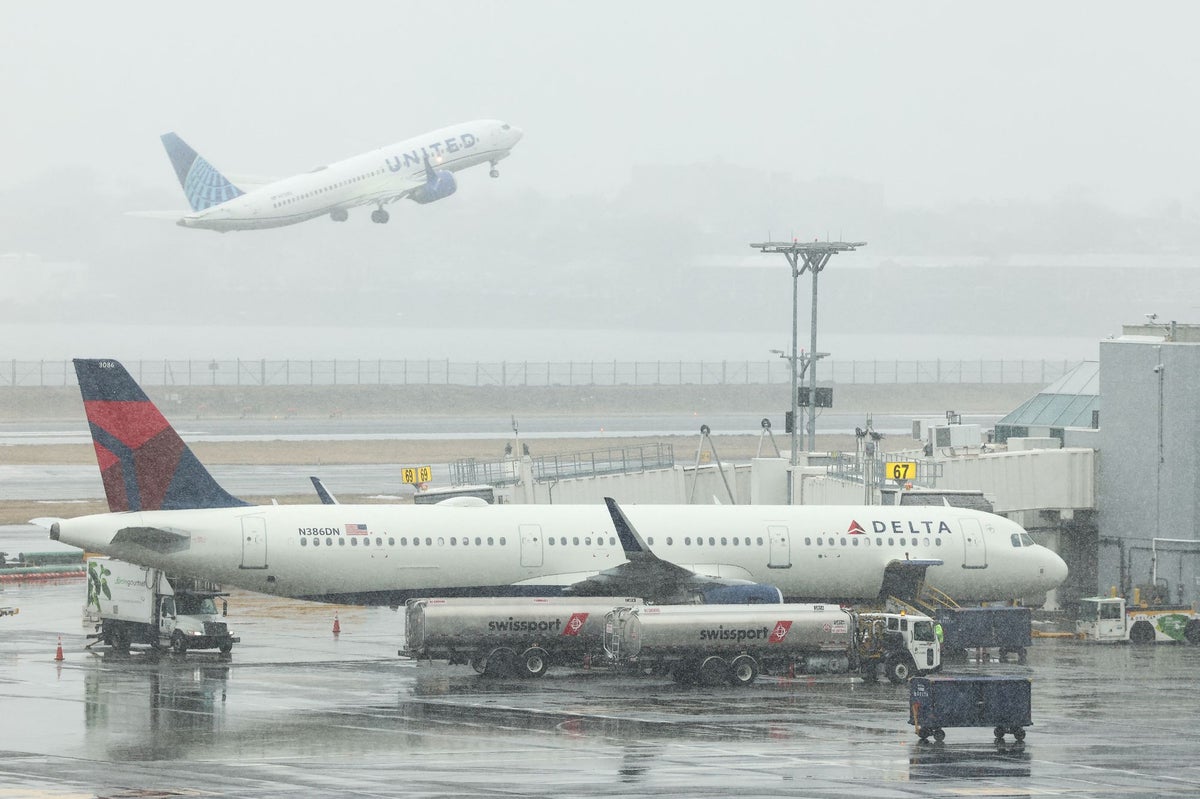
The logistical nightmare ripples outward from the airports. Flight delays are no longer "possible"—they are the baseline. Pilots navigating the approach into Gando or Los Rodeos are contending with wind shear that demands every ounce of their training. When the wind hits those mountain ridges, it creates rotors and turbulence that turn a routine landing into a feat of engineering and nerves. Many flights are being diverted to the mainland or held on the tarmac for hours.
This is the hidden cost of the modern getaway. We have become so accustomed to conquering geography with a credit card that we forget the Atlantic is a wild, untamed entity. We expect the weather to perform for us like a paid entertainer. When it refuses, the masks of the "resort experience" slip away, leaving us to confront the raw power of a planet that does not care about our dinner reservations.
The next few days will be a test of endurance and local resilience. Emergency crews are already working double shifts to clear rockfalls from the GC-200 and other vital arteries. Electricity grids, stressed by the wind, are flickering. In the mountain villages, where the temperature has plummeted toward freezing, the stone houses are feeling the damp in a way they haven't in years.
There is a strange, shared intimacy in a storm of this magnitude. Total strangers huddle under the awnings of closed cafes, sharing umbrellas and grumbling about the gray. The digital nomads, usually tucked away in co-working spaces with views of the surf, are now lit by the flicker of laptop screens in darkened rooms, listening to the shutters rattle against their frames.
Therese is not just "heavy rain and snow." She is a reminder that the Canary Islands are not a theme park. They are a volatile volcanic archipelago sitting in the middle of a vast, moody ocean. The snow on the peaks of Teide is a crown of ice that marks a shift in the season, a violent recalibration of the environment.
By the time the clouds finally part and the first weak rays of sunlight hit the black sand beaches, the islands will look different. The dust will be washed away. The greenery will be incandescent. But for now, the residents and the stranded travelers must wait. They must listen to the drumbeat of the rain on the corrugated roofs and find a way to make peace with the wind.
The sun will return. It always does. But for the next five days, the "Fortunate Isles" will have to find their fortune in the shelter they can build for one another, and in the quiet hope that the roof holds until the sky remembers how to be blue again.
The ocean continues to roar, a white-crested beast pacing the shoreline, reminding everyone within earshot that the land is only ours on loan.