The rules of engagement in the Persian Gulf just vanished. On Sunday morning, the United Arab Emirates reported a fresh missile attack, coming less than twenty-four hours after Tehran issued an unprecedented demand: evacuate three of the busiest ports in the world or face the consequences. This isn't just another flare-up. For the first time in this three-week-old war, Iran is openly treating its neighbor's civilian infrastructure as a primary military target.
If you're looking for the "why" behind this sudden aggression, it’s about a desperate blame game. Tehran claims the U.S. and Israel used UAE "ports, docks, and hideouts" to launch the devastating strikes that recently crippled Kharg Island, Iran's most vital oil hub. They haven't provided a shred of evidence, but that hasn't stopped the threats. The warning specifically named Jebel Ali, Khalifa Port, and Fujairah—the literal lifeblood of global trade and regional stability.
The Fujairah Fire and the New Normal
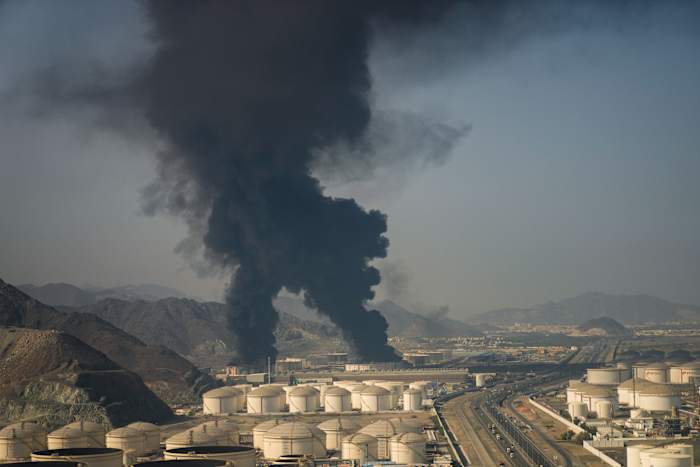
While the UAE’s air defense systems have been working overtime, they aren't magic. Debris from an intercepted drone sparked a significant fire at an oil facility in Fujairah on Saturday. You can see the smoke from miles away. It’s a grim reminder that even a "successful" interception carries a price.
Since February 28, the numbers are staggering. The UAE Ministry of Defence reports dealing with:
- Over 1,600 drones
- Nearly 300 ballistic missiles
- 15 cruise missiles
Six people have died so far, mostly foreign nationals from Pakistan and Nepal. They weren't soldiers; they were workers caught in the crossfire of a war they didn't start. The message from Iran is clear: if we can't export our oil, nobody in the Gulf is going to have a quiet night.
Why the UAE is Suddenly Target Number One
You might wonder why Iran is picking on the Emirates more than, say, Qatar or Kuwait. It's because the UAE represents everything the current Iranian leadership hates. It has deep security ties with Washington and a diplomatic bridge to Israel via the Abraham Accords.
Basically, the UAE is a victim of its own success. By becoming a global crossroads for finance and travel, it’s the most high-profile target available. Hitting a desert outpost doesn't get headlines. Threatening Jebel Ali—the busiest port in the Middle East—sends a shockwave through the global stock market. It’s psychological warfare aimed at scaring away the tourists and investors who see the UAE as an "oasis of calm."
The Kharg Island Connection
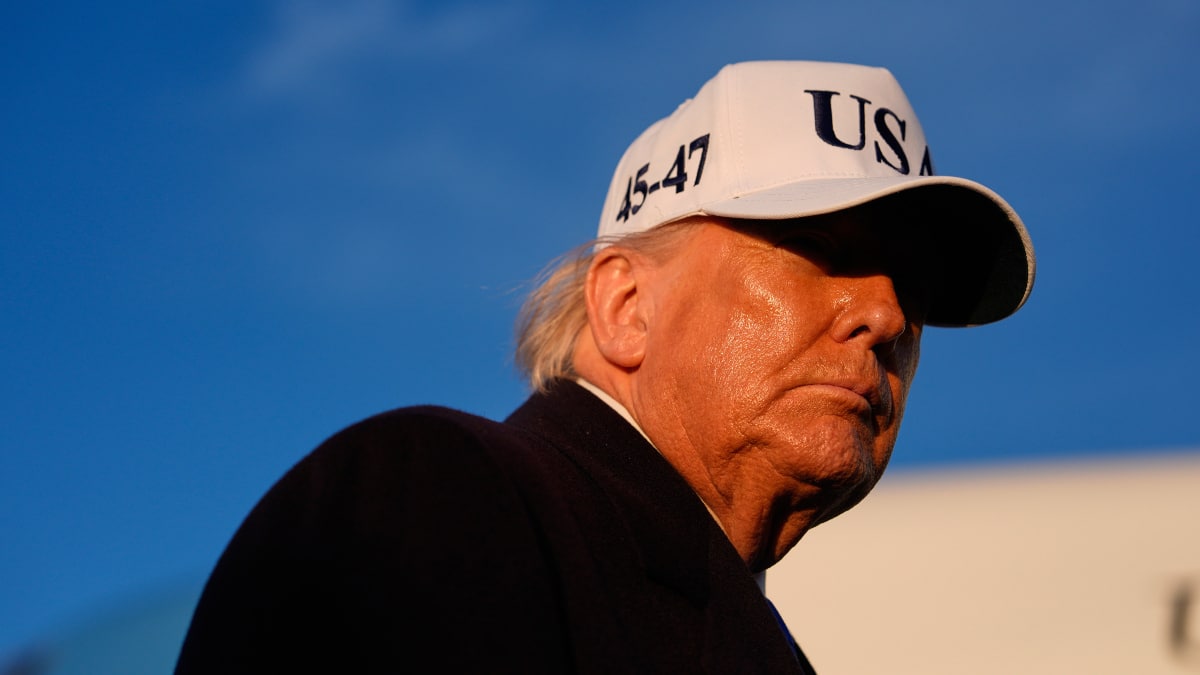
The intensity of these attacks follows U.S. President Donald Trump’s announcement that military sites on Kharg Island have been "obliterated." While the U.S. claims it spared the actual oil infrastructure to avoid a global price spike, Tehran isn't buying it. They see any attack on their soil as a reason to lash out at the nearest "Western-aligned" neighbor.
Reality Check on the Strait of Hormuz
The situation at the Strait of Hormuz is basically a standoff. Iran’s Foreign Minister, Abbas Araghchi, says the strait is only "closed" to those attacking Iran, but in reality, shipping has slowed to a crawl. Trump has called on China, Japan, and the UK to send their own warships to help the U.S. keep the lanes open.
This is a massive shift. It’s the first time we’ve seen the U.S. admit it might need a broad international coalition just to keep the oil flowing. If those countries don't step up, expect insurance premiums for tankers to go through the roof, which means you'll be feeling this at the gas pump within weeks.
Practical Steps for Residents and Businesses
If you're living in the UAE or running a business there, the "wait and see" approach is officially dead. You need to be proactive.
- Trust the Alerts: When the Ministry of Interior sends a "seek shelter" notification to your phone, don't ignore it to take a video. Those 30 minutes in a safe room matter.
- Verify the Source: Iranian state media is pumping out "evacuation" warnings to cause panic. Stick to official UAE government channels like WAM or the Ministry of Interior for actual instructions.
- Business Continuity: If your operations are near the three named ports (Jebel Ali, Khalifa, Fujairah), it's time to review your remote work protocols. Don't wait for a "minor incident" to become a major disruption.
- Stay Away from Glass: Most injuries in these attacks come from shrapnel and falling debris. During an alert, stay in the center of the building.
The UAE has already shown it can handle a high volume of incoming threats, but the shift from "targeting U.S. assets" to "targeting UAE ports" is a red line that can't be uncrossed. Tehran is trying to prove that no one is safe as long as they feel threatened. The coming days will determine if the rest of the world is willing to let them keep making that point.