Li Wei stares at the digital display of her electric stovetop in a cramped apartment on the outskirts of Hangzhou. The numbers are glowing, but the burner is cold. She is calculating. In her mind, she is not just weighing the cost of a bowl of noodles; she is weighing the invisible pressure of a nation’s economy that has, for the better part of a year, felt like it was holding its breath.
For months, the story of China has been a story of silence. Prices for shoes, electronics, and rent have plateaued or slipped downward. To a casual observer, cheaper stuff sounds like a win. But for Li Wei, and millions like her, falling prices are a ghost. When the price of everything drops, your boss looks at the balance sheet and decides your salary should probably drop too. Or perhaps the "For Rent" sign next door stays up for six months, a wooden tooth missing from the neighborhood’s smile. This is deflation. It is a slow, freezing fog that settles over a country, making everyone wait for a "better deal" that never quite feels good when it arrives. If you enjoyed this piece, you should read: this related article.
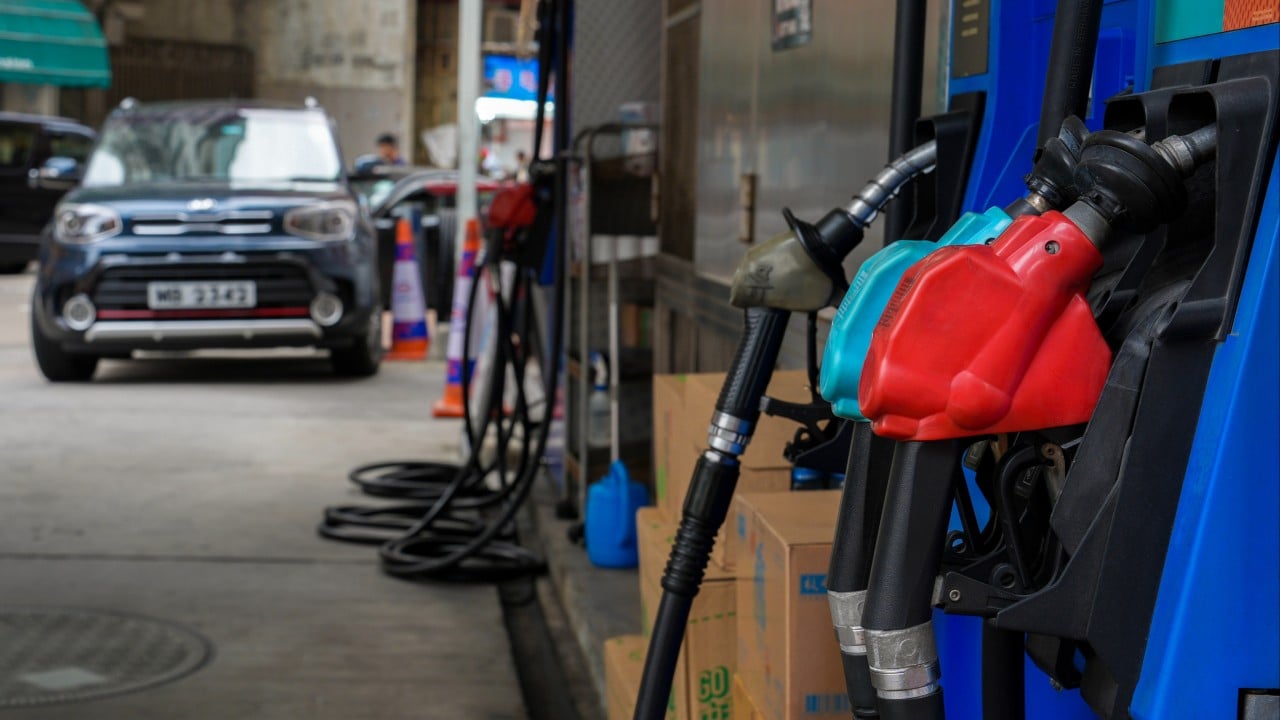
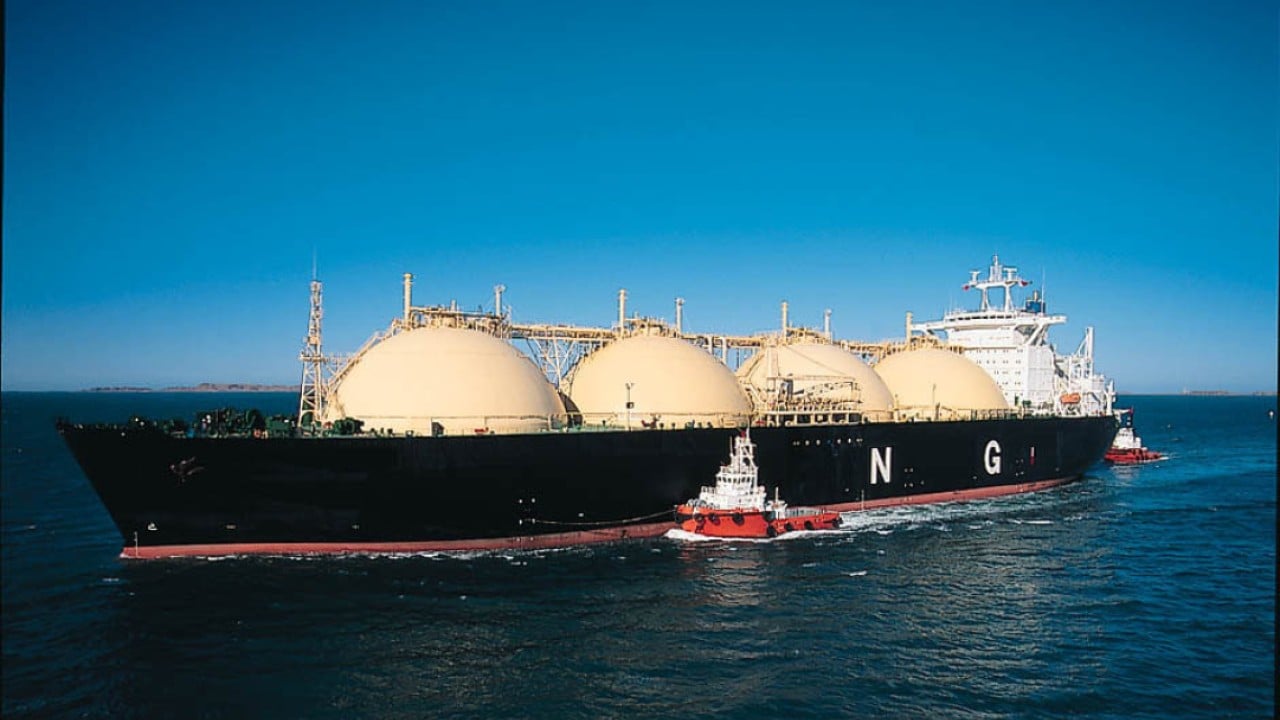
Now, a heatwave of a different sort is beginning to pulse through the pipes. Energy prices are rising.
To understand why a higher utility bill might actually be the spark that keeps Li Wei’s world from freezing over, we have to look at the strange, counterintuitive physics of how a giant economy wakes up. For another look on this development, see the latest update from Financial Times.
The Weight of the Quiet
The technical term is a "deflationary spiral." It sounds clinical. In reality, it feels like hesitation. When a consumer believes a car will be 5% cheaper in six months, they don't buy the car today. When a million people don't buy the car, the factory cuts shifts. When shifts are cut, those workers spend even less. The spiral tightens.
China has been stuck in this loop because of a massive hangover from the property sector’s golden years and a cautiousness that has become the new national mood. People are saving because they are afraid. They are afraid because the value of their homes—the primary vessel for middle-class wealth—is no longer a guaranteed upward line.
Enter the utility bill.
In cities like Shenzhen and Shanghai, the cost of water, gas, and electricity is creeping upward. This isn't an accident of the market. It is a deliberate, if painful, recalibration. For decades, the Chinese government kept energy and utility prices artificially low, a hidden subsidy that powered the "World’s Factory." But those subsidies are expensive, and they create a distorted reality.
By allowing these prices to rise now, the state is performing a delicate bit of economic surgery. They are trying to force a "reflationary" pulse into the system.
The Friction of Life
Imagine a car stuck in deep snow. The wheels are spinning, but there is no traction. The engine is screaming, but the vehicle is stationary. To move, you need friction. You need something for the tires to grab onto.
In an economy, inflation—at a controlled, modest level—is that friction. It creates the "buy now" incentive. If Li Wei knows that her electricity bill is going up and the cost of the plastic containers her small business uses is rising because of those energy costs, she can no longer afford to wait. She has to adjust. She has to raise her own prices. She has to move.
It sounds cruel to suggest that making life more expensive is a "cure." But the alternative is the rot of the "lost decades" seen in Japan, where a lack of price growth led to a stagnant culture where ambition felt futile.
Consider the ripple effect of a single kilowatt-hour. When energy prices rise, it isn't just the lightbulb in the kitchen that costs more. It is the cost of firing the kiln for a ceramics maker in Jingdezhen. It is the cost of running the server farms in Guiyang that power the apps everyone uses to order groceries.
When these upstream costs rise, they eventually bleed into the "Consumer Price Index" (CPI). If the CPI starts to tick upward, the psychological spell of deflation begins to break. People stop waiting for the bottom. They start participating in the present again.
The Invisible Stakes
The gamble here is whether the Chinese consumer can actually afford the friction.
If energy prices spike too fast while wages remain flat, you don't get a recovery; you get a "cost-of-living crisis." This is the tightrope. The government is betting that by letting utility prices reflect reality, they can narrow their own fiscal deficits while simultaneously nudging the entire price structure of the country toward a healthy, 2% growth target.
There is a historical ghost haunting this strategy. In the late 1980s, China attempted a "price reform" that led to runaway inflation and social unrest. The memory of that chaos is why the current moves are so measured—a few cents here, a tiered tariff there. It is a slow-motion attempt to boil the water without shattering the pot.
But why now? Why, when the property market is still reeling, would you add to the burden of the average household?
The answer lies in the transition of the "Chinese Dream." The old dream was built on cheap labor, cheap energy, and endless construction. That version of the dream is exhausted. The new dream requires efficiency. If energy is expensive, companies have to innovate to use less of it. They have to move up the value chain. High energy prices are a tax on waste.
The Human Toll of the Transition
Back in Hangzhou, Li Wei finally turns the stove on. The blue flame of the gas burner is a tiny, controlled roar. She is paying more for that flame than she did last year.
To her, it feels like a burden. She doesn't see the macro-economic charts or the central bank's "reflationary targets." She sees the extra 40 yuan a month leaving her bank account. But that 40 yuan is part of a massive, 1.4-billion-person tide.
If that tide raises the price of her noodles, and the price of her neighbor’s haircut, and the price of the steel in the bridge being built down the road, the "deflationary funk" begins to evaporate. The fog lifts.
The danger is that the consumer's wallet is already thin. In the West, inflation was driven by "too much money chasing too few goods" after the pandemic. In China, the problem is "too much capacity and too little confidence." Raising energy prices addresses the "goods" side of the equation by making them more expensive to produce, but it doesn't automatically fix the "confidence" side.
For the cure to work, the money the government saves on energy subsidies needs to find its way back into the social safety net. If Li Wei feels that her healthcare is secure and her pension is real, she won't mind the extra cost of the flame. She might even buy a new set of bowls.
The Final Spark
We often talk about economies as if they are machines—engines, gears, levers. They aren't. They are ecosystems of human belief.
A deflationary economy is an ecosystem in winter. Everything is preserved, but nothing grows. Rising energy prices are a painful, artificial spring. It is the sting of blood returning to a frostbitten limb. It hurts, but it means the limb is still alive.
The silent streets of China’s tier-three cities, lined with half-empty malls and quiet storefronts, are waiting for that heat. They are waiting for the signal that the era of "cheaper tomorrow" is over.
Li Wei drops the noodles into the boiling water. The steam rises, fogging her glasses. She wipes them clean and looks out the window at the city lights. Each one of those lights is now a little more expensive to keep burning. The question is no longer whether China can afford the cost of the energy, but whether it can afford the cost of the silence.
The flame stays on. The water keeps boiling. For the first time in a long time, the price of staying warm is going up, and in the strange logic of survival, that might be the only way to keep the fire from going out entirely.
The digital display on the stove flickers, a tiny red heartbeat in the dim kitchen.