Hong Kong Financial Secretary Paul Chan recently broadcast a message of calm, suggesting the city remains an island of stability despite the violent spikes in global oil prices triggered by Middle East instability. The official narrative relies on the city’s massive fiscal reserves and a service-heavy economy that isn't as tethered to the gas pump as industrial hubs. However, this surface-level confidence masks a more complex economic reality. While the city won't collapse under $100-a-barrel oil, the cumulative pressure on logistics, electricity costs, and the consumer price index is creating a slow-burn crisis for small businesses and the middle class.
The idea that Hong Kong is immune to energy shocks is a dangerous oversimplification.
The Logistics Tax on a Port City
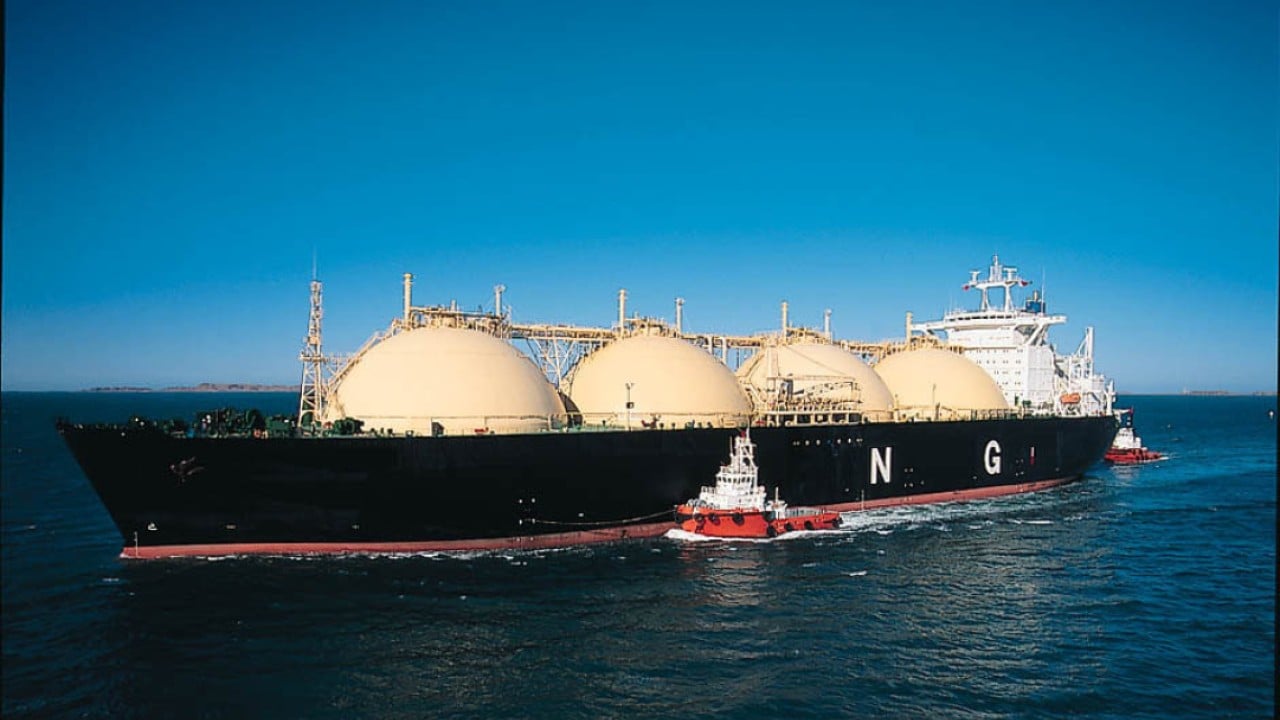
Hong Kong operates as a massive lungs for global trade. Every item that enters the territory, from the premium Wagyu in Central to the construction steel in the Northern Metropolis, carries an embedded energy cost. When Brent crude climbs, it doesn't just hit the local taxi driver; it acts as a silent tax on every link in the supply chain.
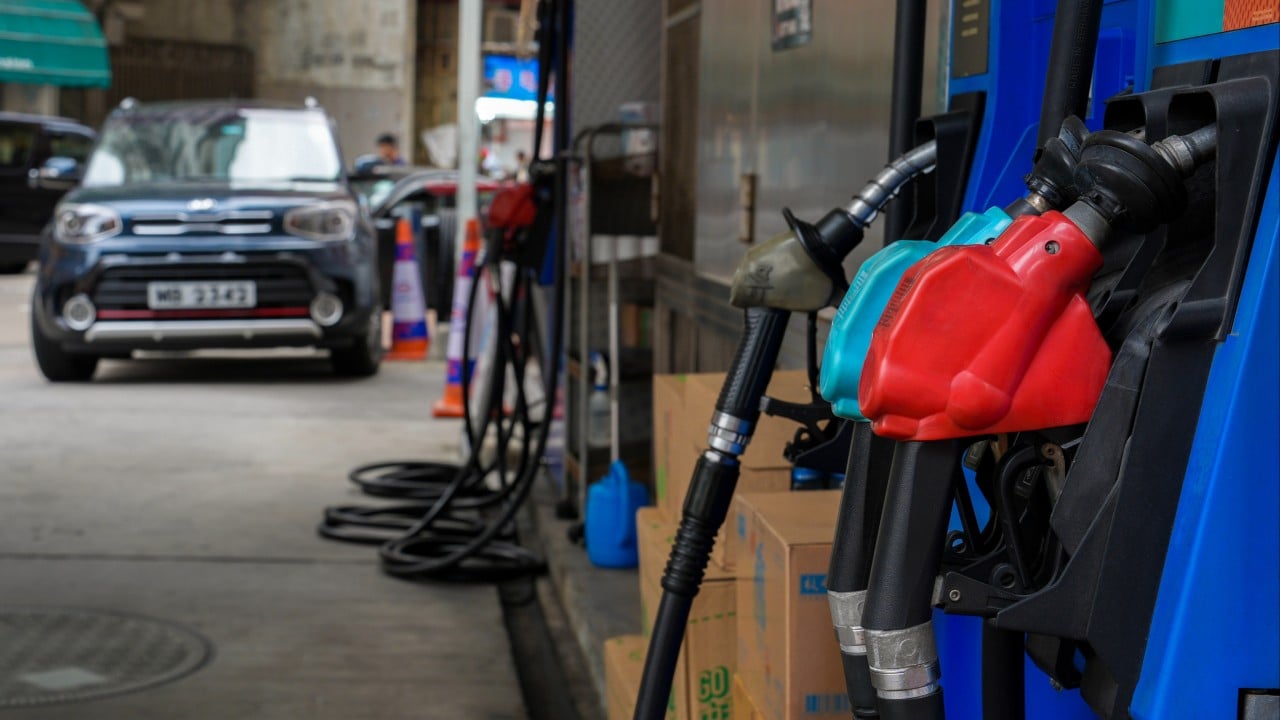
The city’s logistics sector is already fighting for its life against cheaper regional competitors. For a trucking company moving goods across the border, fuel isn't a peripheral expense—it is a dominant line item. Chan’s assertions of stability don't account for the thinning margins of these operators who cannot easily pass costs to clients already looking toward Shenzhen or Singapore. If the "stability" is maintained only by businesses absorbing losses until they fold, then it is a temporary facade rather than a structural strength.
The Electricity Pricing Trap
Unlike many other jurisdictions, Hong Kong’s power grid is managed by a duopoly: CLP Power and HK Electric. These companies operate under a Scheme of Control that essentially guarantees them a fixed return on their capital investments. While this provides a reliable grid, it offers zero protection for the consumer against fuel cost adjustments.
When the price of natural gas or coal rises—often in lockstep with oil—those costs are funneled directly into the "Fuel Clause Charge" on monthly bills. For a high-density city where air conditioning is a survival tool rather than a luxury, a 20% jump in electricity costs is a massive drain on household disposable income. This isn't just a matter of "staying stable"; it is a direct transfer of wealth from the public to utility shareholders, sanctioned by the very government claiming everything is fine.
Why the Fiscal Reserve Argument is Flawed
The government often points to its war chest of reserves as a buffer. The logic is that if things get truly dire, the administration can step in with subsidies or tax breaks. But using public money to subsidize energy consumption is like trying to fix a leak by pouring more water into the bucket.
Fiscal reserves are intended for structural long-term projects—housing, healthcare, and the aging population. If the government spends its "stability" budget on temporary energy rebates, it is effectively stealing from the city's future to mask a present-day failure to diversify the energy mix. Furthermore, the reserves have already taken a hit from years of pandemic spending and a cooling property market. The buffer is thinner than the official rhetoric suggests.
The Hidden Inflation Factor
Hong Kong’s currency is pegged to the US Dollar. While this provides a certain level of monetary certainty, it strips the city of the ability to use exchange rate policy to blunt the impact of imported inflation. If the US Federal Reserve keeps rates high to combat its own energy-driven inflation, Hong Kong must follow suit, regardless of its local economic conditions.
This creates a pincer movement. On one side, businesses face higher operating costs due to oil prices. On the other, they face higher borrowing costs because of the peg. It is a brutal environment for any firm that isn't sitting on a mountain of cash.
The Myth of the Service Economy Shield
Analysts often argue that because Hong Kong is 98% a service economy, it is less vulnerable than a manufacturing hub like Vietnam or Germany. This is a misunderstanding of how services work. A restaurant in Mong Kok is a service business, but its oven runs on gas, its ingredients arrive via refrigerated trucks, and its customers arrive in buses.
When transport costs rise, the "service" becomes more expensive. We are seeing a trend where residents choose to spend their weekends in mainland China where the cost of living—and energy—is significantly lower. This "outbound consumption" is the real threat to Hong Kong’s stability. High energy prices at home make the price gap with Shenzhen even wider, accelerating the drain of capital from the local economy.
The Strategy of Forced Optimism
Paul Chan’s job is to maintain confidence. If the Financial Secretary sounds the alarm, capital flight accelerates. But there is a point where optimism becomes a liability. By framing the current turmoil as something the city can simply "weather," the government avoids making the hard choices required for true energy independence.
True resilience would involve a radical shift toward renewable integration with the Greater Bay Area power grid or a more aggressive move toward green hydrogen for the transport sector. Instead, the focus remains on short-term stability—a state of being that is essentially just waiting for the Middle East to settle down.
A Fragmented Recovery
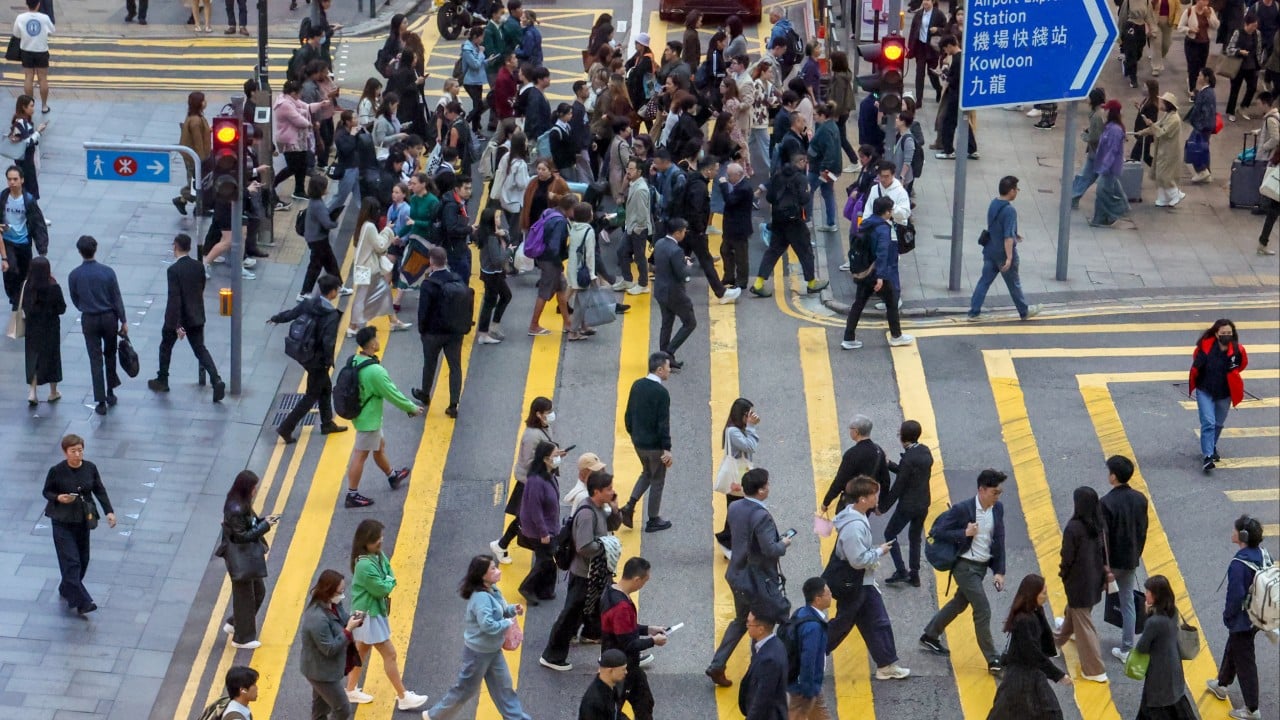
We are seeing a K-shaped response to the energy crunch. Large multinationals with global hedges and massive scale can ignore the fluctuations. They are the "stable" part of the headline. Meanwhile, the grassroots economy—the small delivery fleets, the family-run diners, and the lower-income households—are being squeezed.
The government’s data often overlooks this granularity. By looking at aggregate GDP or total fiscal reserves, they miss the fact that the foundations of the local economy are cracking.
The Real Test for the Hub
If oil prices remain elevated for eighteen months, the narrative of "stability" will be impossible to maintain. We will see a hollowing out of the service sector as costs exceed the willingness of consumers to pay. The government cannot subsidize its way out of a global structural shift in energy prices.
Hong Kong is currently a high-cost environment in a world where energy is no longer cheap. This is a fundamental challenge to the city's value proposition as a low-tax, efficient gateway. If the cost of living and doing business continues to be inflated by energy spikes, the city’s competitiveness will continue to erode, regardless of its fiscal reserves.
The strategy of the government is to hope for the best while preparing for the status quo. In a volatile energy market, that isn't stability; it's a gamble. The real reason the city is "stable" today is because it hasn't yet felt the full lag of the current energy spike. When those costs reach the final consumer, the conversation will change.
Actionable Next Steps
For a business operating in Hong Kong, the only way forward is to aggressively audit energy footprints and investigate decentralized power solutions where possible. Relying on government-backed "stability" is a recipe for stagnation. If the oil market remains unhinged, those who didn't hedge will be the first to disappear.
Would you like me to analyze the specific impact of electricity price hikes on the Hong Kong retail sector over the next fiscal year?