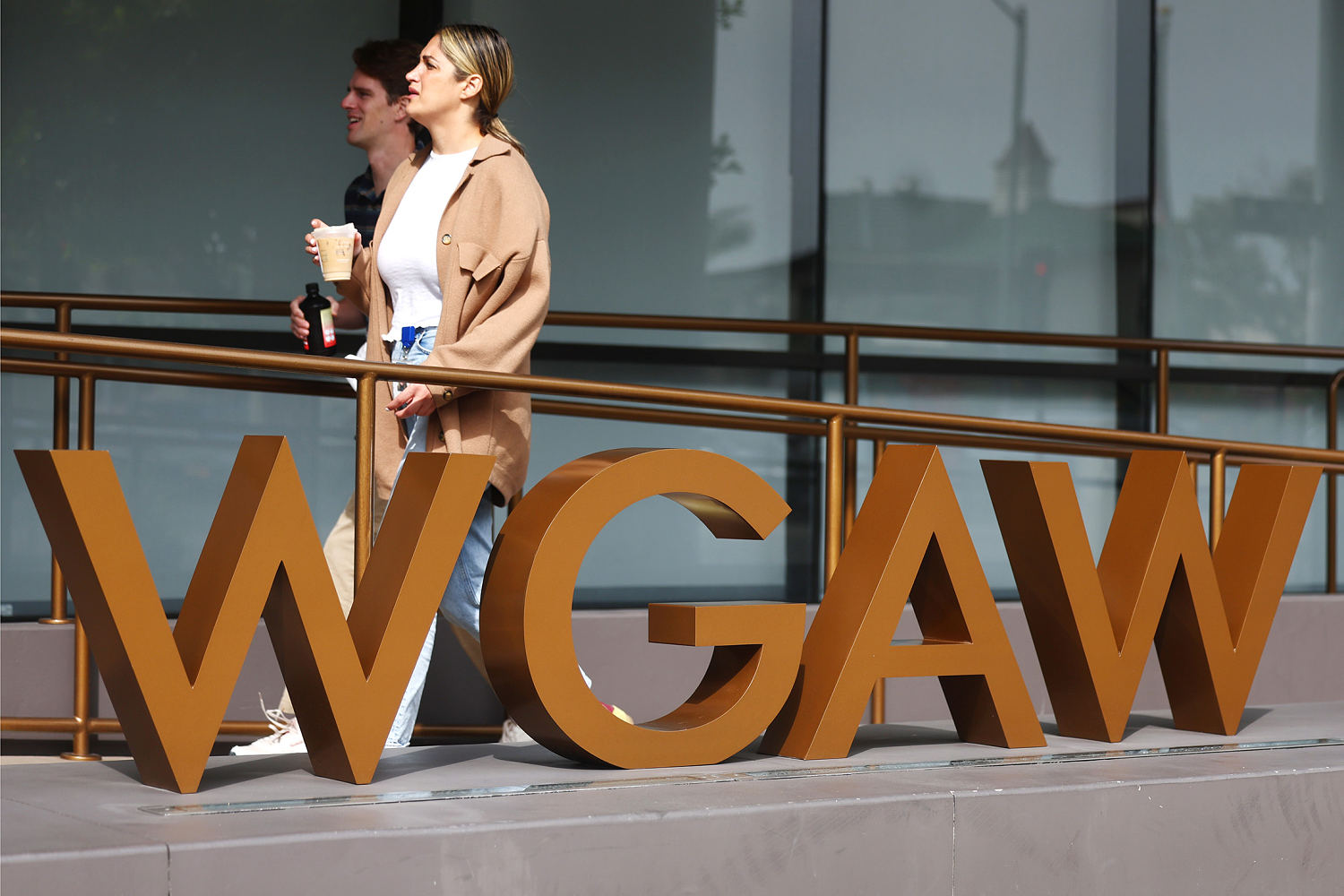
Hollywood’s writers didn't just win a pay raise. They fought a war for the soul of creative work and, after 148 days on the picket lines, they walked away with a deal that changes the math for every streaming service you pay for. The Writers Guild of America (WGA) and the Alliance of Motion Picture and Television Producers (AMPTP) finally reached a tentative agreement that effectively ends one of the most grueling strikes in the history of the industry.
If you thought this was just about rich people arguing over millions, you're looking at it the wrong way. This was about whether being a writer remains a middle-class career or becomes a gig-economy side hustle. The writers won because they stayed united when the studios expected them to fold. It wasn't pretty. It wasn't fast. But the details of this deal show a massive shift in how power works in the age of Netflix and Disney+.
The AI Problem and How Writers Fenced It In
Artificial Intelligence was the ghost in the room for months. The studios wanted to keep their options open. Writers wanted to make sure they weren't replaced by a software update. The compromise is actually pretty smart. Under the new terms, AI can't write or rewrite "literary material." It can't be used to undermine a writer's credit or their slice of the residuals.
Basically, if a studio gives a writer an AI-generated script to polish, that writer still gets paid the full fee as if they wrote it from scratch. The writer can choose to use AI if the company allows it, but the company can't force them to. This creates a hard boundary. It treats AI as a tool, like a fancy typewriter, rather than a replacement for the person holding the pen.
The implications go beyond Hollywood. This is the first major labor contract to set specific guardrails around generative technology. If you work in marketing, coding, or any field where "the bot can do it" is a common phrase, this contract is your blueprint. The WGA proved that you can't stop technology, but you can damn sure regulate how it's used to devalue your labor.
Streaming Data is No Longer a Black Box
For years, streaming platforms like Netflix and Max kept their viewership numbers locked in a vault. They’d tell a creator their show was a hit, but they wouldn't show the data. They definitely didn't pay based on how many people were actually watching. That's over.
The new deal introduces a "streaming viewership bonus." It’s a performance-based residual. If a show or movie is viewed by 20% or more of the service’s domestic subscribers within the first 90 days, the writers get a massive bonus. For a high-budget series, that can mean an extra $35,000 or more.
More importantly, the WGA now gets access to the actual data. They can see the numbers. Transparency is a massive win because it forces the studios to be honest about what's working. You can't claim a show is a "failure" to avoid paying people while bragging to shareholders about record-breaking minutes viewed.
Minimum Staffing and the Death of the Mini Room
One of the biggest complaints from writers was the "mini-room." Studios were hiring tiny groups of writers to break a whole season of television in a few weeks, then laying them off before production even started. It killed the path for younger writers to learn how to actually produce a show. It was a factory model applied to art, and it was breaking the industry.
The new contract mandates minimum staffing levels based on the number of episodes in a season.
- A show with 6 episodes needs at least 3 writers.
- A show with 7 to 12 episodes needs at least 5 writers.
- A show with 13 or more episodes needs 6 writers.
It sounds like technical HR stuff. It’s not. It’s about job security. It ensures that a showrunner has a team and that those team members get to stay on through production. They’ll be on set. They’ll learn how to talk to actors and directors. This saves the future of the profession by making sure there's a next generation of showrunners who actually know how to make TV.
Why the Studios Finally Caved
The studios weren't being nice. They were bleeding. The strike cost the California economy billions. Summer blockbusters were getting pushed back. Late-night TV was dark. But the real pressure came from the fact that the actors (SAG-AFTRA) were also on strike. The industry was paralyzed.
Wall Street started getting nervous too. Investors hate uncertainty. When the studios realized the writers weren't going to break—even after some executives anonymously suggested they’d wait until writers started losing their homes—the tone shifted. The "final, final" offer wasn't actually final. It turns out, when you own the cameras but nobody is writing the words, you own a lot of expensive glass and metal that doesn't do anything.
What Happens to Your Favorite Shows Now
Don't expect your favorite show to drop a new season next week. Writing takes time. Pre-production takes more time.
First, the WGA leadership has to officially certify the vote. Then the writers head back to their offices. Late-night shows like Saturday Night Live and The Late Show will likely be the first to return because they don't require months of filming and editing. Scripted dramas and comedies have a longer road. You're looking at 2024 or 2025 for the big hits.
The strike delayed everything. Stranger Things, The Last of Us, and the next season of The White Lotus all hit the brakes. Now the race is on to secure studio space and actor schedules. It’s going to be a logistical nightmare in Los Angeles for the next six months as every single production tries to start at the same time.
This Isn't Just a Win for Hollywood
This deal is a signal. It tells every corporate board in America that labor still has teeth. The writers showed that if you have a clear list of demands and the stomach to stay out for five months, you can win against the biggest tech and media companies on the planet.
The deal isn't perfect. Some writers feel it didn't go far enough on residuals for international streaming. But compared to where they started, it’s a landslide victory. They got the staffing minimums. They got the AI protections. They got the data transparency.
If you're a freelancer, a creative, or anyone worried about AI taking your desk, pay attention to the WGA. They just wrote the script for how to survive the 2020s.
If you want to track which shows are returning first, keep an eye on the production trades like Variety and The Hollywood Reporter. Start looking for "return to work" orders for showrunners of the major networks. The writers are back, but the industry is forever changed. It's time to see if the content actually gets better now that the people making it feel like they’re being treated like humans again.