Waymo Co-CEO Tekedra Mawakana is out here trying to convince you that a robot is a better driver than you. It’s a tough sell. Most people hear "driverless car" and immediately think of a 4,000-pound hunk of metal glitching out at a busy intersection. But the data Waymo is pushing tells a different story. They’re betting that humans are the real problem on the road.
Honestly, they might be right. We get tired. We text. We get road rage. A computer doesn't. Waymo’s recent safety reports claim their autonomous driving system, the Waymo Driver, is significantly safer than a human behind the wheel. They’re reporting a massive 73% reduction in injury-causing crashes compared to human drivers. That’s not a small number. It’s the kind of statistic that makes you stop and wonder why we still let teenagers drive. In related developments, read about: The Hollow Classroom and the Cost of a Digital Savior.
The Data Behind the Waymo Safety Argument
Mawakana isn't just throwing out vibes. Waymo has been clocking millions of miles in cities like San Francisco, Phoenix, and Los Angeles. When they compare their crash rates to human benchmarks, they aren't just looking at every fender bender. They’re looking at police-reported crashes and incidents where an airbag deployed.
The company recently hit a milestone of over 22 million rider-only miles. In that span, they claim their vehicles were involved in far fewer crashes that resulted in injuries compared to the national human average. Specifically, they point to an 84% decrease in crashes with airbag deployments. If you’re a data nerd, those numbers are hard to ignore. But stats can be slippery. Wired has also covered this fascinating subject in extensive detail.
Critics often argue that Waymo is cherry-picking their operating environments. They usually drive in fair weather and mapped urban areas. A human driver has to deal with a blizzard in rural Montana or a sudden washout in a mountain pass. Waymo isn't doing that yet. They’re playing in a sandbox they’ve meticulously mapped. That doesn't mean the tech isn't impressive, but it means the "safer than a human" claim comes with an asterisk.
Why Public Trust Is the Biggest Hurdle
You can have the best data in the world, but if people are scared to cross the street when they see a white Jaguar with a spinning LIDAR sensor, you’ve got a problem. This is the wall Waymo is hitting. Every time a Cruise vehicle (their main rival) gets stuck in wet concrete or blocks an ambulance, it sets the whole industry back.
Waymo has been much more cautious than Cruise was. They haven't had the same high-profile disasters, but they still face skepticism from local officials. In San Francisco, the fire department has been vocal about autonomous vehicles (AVs) interfering with emergency scenes. It’s one thing to avoid a collision; it’s another to know that you need to move out of the way for a fire truck that’s screaming down the wrong side of the road.
Mawakana’s job is to bridge that gap between "the computer says it's safe" and "I feel safe letting my kid walk past one." Waymo is trying to do this by being more transparent with their data. They’ve started publishing more frequent safety impact reports to show they aren't hiding the "near misses."
What the Waymo Driver Actually Sees
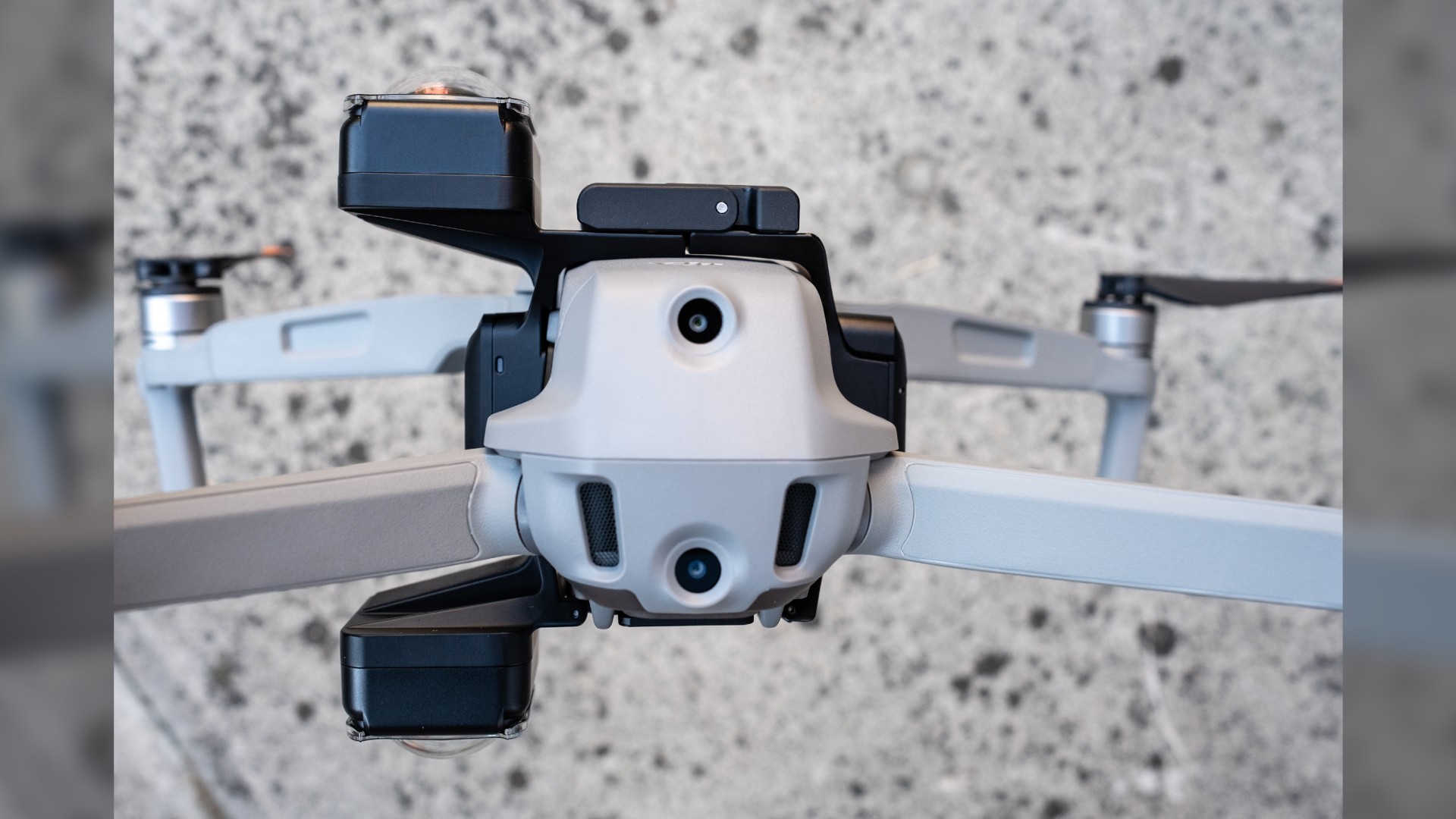
A human driver relies mostly on two eyes and a shaky sense of attention. The Waymo Driver uses a suite of sensors that would make a fighter jet jealous.
- LIDAR: These sensors send out laser pulses to create a 3D map of everything around the car, even in total darkness.
- Cameras: They identify traffic lights, stop signs, and the subtle movements of a cyclist’s hand signals.
- Radar: This helps the car "see" through heavy rain or fog by bouncing radio waves off objects.
The system processes all this in real-time. It can see 360 degrees simultaneously. It never gets distracted by a Spotify playlist. This constant vigilance is the core of their safety case. While you’re looking for a parking spot, the Waymo Driver is tracking a pedestrian two blocks away who looks like they might step into the street.
Dealing with the Edge Cases
The real test for Waymo isn't the 99% of normal driving. It’s the "edge cases." These are the weird, unpredictable things that happen once in a blue moon. Think of a man in a wheelchair chasing a turkey with a broom (an actual thing that happened to a self-driving car) or a downed power line dancing in the wind.
Machine learning has come a long way, but it still struggles with context. A human knows that a plastic bag blowing across the road isn't a threat. A computer might see an "unidentified object" and slam on the brakes, causing a rear-end collision. Waymo is constantly training their models on these weird scenarios, but they can't predict everything.
This is why they have remote assistance teams. When a Waymo car gets confused, it doesn't just give up. It can call home. A human operator looks at the car’s cameras and gives it a hint, like "it's okay to drive over those traffic cones." The human isn't driving the car with a joystick; they're just giving it permission to navigate a tricky spot.
The Economic Side of Safety
Let's be real for a second. Waymo isn't just doing this to save lives. They’re doing it because accidents are expensive. If you’re running a massive fleet of robotaxis, every crash is a legal nightmare and a PR disaster. Safety is their business model.
If Waymo can prove their cars are significantly safer than humans, insurance costs drop. Public move-in becomes easier. Regulators stop breathing down their necks. Mawakana is pitching safety because safety is the only path to a profitable company. Right now, Alphabet (Waymo's parent company) is burning billions of dollars to keep this project running. They need the "safety case" to be ironclad so they can scale to more cities.
Human Error vs Robot Error
We’re weirdly forgiving of human error. If a person gets into a wreck because they were tired, we call it a tragedy. If a robot gets into a wreck because of a software bug, we call it a systemic failure. This double standard is Waymo’s biggest enemy.
To win, they don't just have to be better than humans. They have to be perfectly better. They have to prove that even when they do fail, the failure is less catastrophic than a drunk driver or a distracted teenager.
The Road Ahead for Waymo
Waymo is currently expanding into more complex environments. They’ve started testing on freeways in Phoenix with passengers. This is a massive jump. High-speed driving leaves zero room for error. A sensor glitch at 65 mph is much different than one at 25 mph.
They're also pushing into Austin and more parts of LA. Every new city brings new challenges. The way people drive in Texas is different from how they drive in San Francisco. There are different unwritten rules of the road. Waymo’s software has to learn the local "vibe" of every city it enters while maintaining that strict safety protocol.
If you’re wondering when you’ll see these in your driveway, don't hold your breath for a personal car. Waymo is focused on ride-hailing. It’s too expensive for an individual to own a car with $100,000 worth of sensors. But you’ll likely see more of them in the Uber app. Waymo and Uber have a partnership now, which is a wild twist considering they spent years in court suing each other.
Is the Case Made
Mawakana’s argument is getting stronger, but it’s not a closed case. The numbers look good on paper. The 73% reduction in injuries is a massive win. But until the cars can handle a New York City snowstorm or a chaotic construction site without calling for human help, there will always be doubters.
The next time you see a Waymo cruising by, don't just look at the spinning sensors. Think about the fact that it's probably the most focused "driver" on the road. It isn't thinking about its dinner plans or checking a text. It's just driving. In a world where traffic fatalities are rising, maybe a little less "human" is exactly what we need on the highway.
If you want to see how this tech actually handles your city, check the Waymo One app. See if you’re in a service area. If you are, take a ride. Watch the screen inside the car that shows you what the "Driver" sees. It’s the best way to understand the gap between the hype and the reality. Don't take a CEO's word for it. See the data in action yourself.