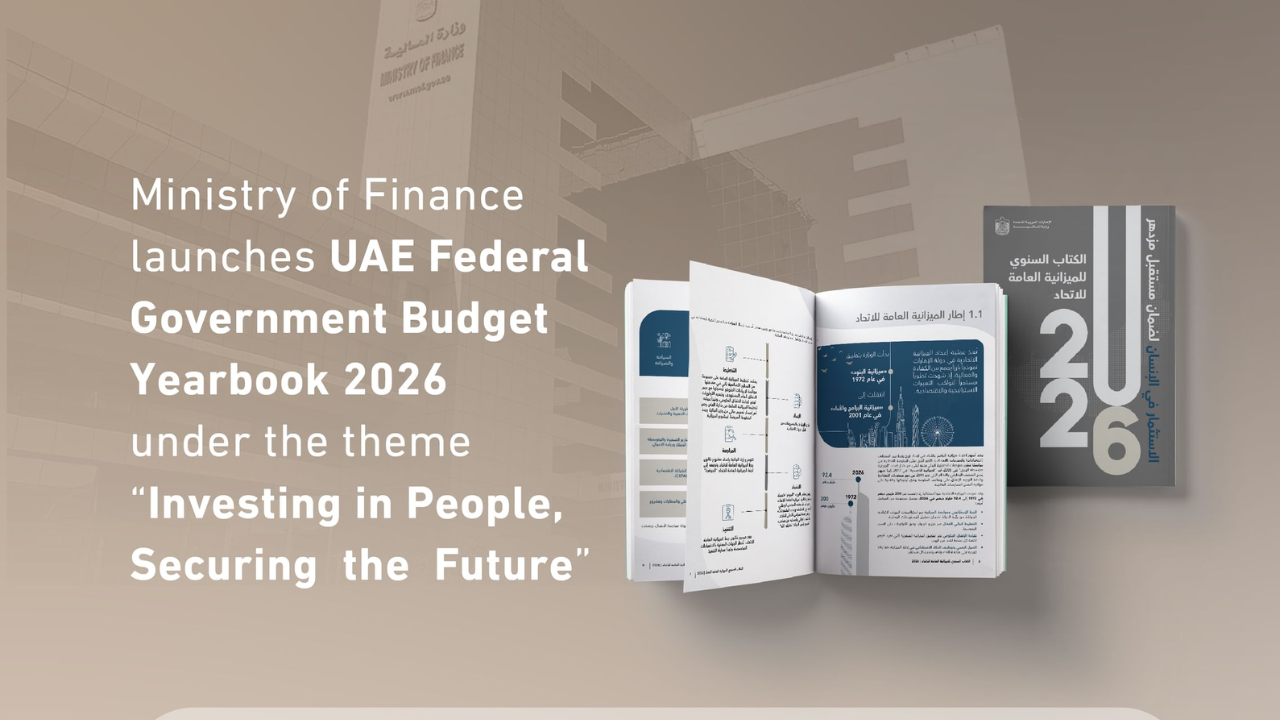
The UAE just dropped its Federal Budget Yearbook 2026, and the numbers are massive. We’re talking about AED 92.4 billion. It’s the largest federal budget in the history of the union, but if you’re only looking at the total, you’re missing the point. This isn't just about spending more money because the coffers are full. It's a calculated move to shift the entire weight of the government toward "human capital."
Honestly, most national budgets feel like a dry list of expenses. You see a few billion here for roads and a few billion there for "administration." But the 2026 plan, themed "Investing in People, Securing the Future," is a different beast. It’s balanced perfectly, with revenues and expenditures both hitting that AED 92.4 billion mark. That’s a 29% jump from 2025. You don't see that kind of year-on-year growth in many modern economies without drowning in debt. The UAE is doing it while keeping the books clean.
Breaking down the AED 92.4 billion spend
When you dig into where the cash is actually going, the priorities become crystal clear. The government isn't just building towers; it's building people.
- Social Development and Pensions (AED 34.6 billion): This is the heavy hitter, taking up 37% of the total budget.
- Education (AED 16.9 billion): They’re doubling down on schools and universities. If you want to stay competitive in a world dominated by AI and tech, you need a workforce that isn't stuck in 2010.
- Public Services (AED 30.8 billion): This covers the backbone of what makes the UAE liveable—safety, justice, and the general machinery that keeps the country running smoothly.
- Healthcare (AED 5.7 billion): Focus remains on community prevention and upgrading the quality of life.
- Housing (AED 3.7 billion): This is vital for social stability. Ensuring citizens have homes isn't just a "nice to have"; it's a core pillar of the national strategy.
It's easy to get lost in the billions, but think of it this way: for every 100 dirhams the federal government spends, 37 dirhams go directly into social welfare and education. That’s a massive commitment to the long game.
The shift toward zero-based budgeting
One thing that doesn't get enough attention is how they're managing this money. The UAE uses a zero-based budgeting framework. In plain English? They don't just take last year's budget and add 5% for inflation. Every department has to justify every single dirham from scratch every cycle. It’s an aggressive way to cut waste.
I’ve seen too many governments throw money at "ghost projects" or outdated departments. By using this method, the Ministry of Finance ensures that the AED 92.4 billion is actually working. They’re also leaning hard into AI for budget management. This isn't just a buzzword here. They’re using algorithms to track spending efficiency in real-time. It’s about being lean even when you’re spending record-breaking amounts.
Why the 29 percent jump happened now
You might wonder why the budget suddenly spiked by nearly 30% compared to last year. It isn't a fluke. It’s the result of the "We the UAE 2031" vision hitting its stride. The country has been signing Comprehensive Economic Partnership Agreements (CEPAs) left and right. Trade is booming. Non-oil revenue is finally becoming a powerhouse rather than a side note.
The 2026 budget is the peak of the 2022–2026 five-year plan, which totals AED 347 billion. Because the economy has been more resilient than expected—despite all the global chaos—the government decided to go big for the final year of this cycle. They’re not waiting for the future; they're buying it.
Infrastructure is still in the DNA
While the "people first" narrative is the headline, don't think they've stopped building. About AED 2.6 billion is carved out specifically for infrastructure and economic development at the federal level.
What this means for you
If you're living in the UAE or running a business here, this budget is a green light. It signals stability. When a government can increase spending by 29% and still keep a balanced budget, it tells investors that the floor isn't going to fall out.
- Job Markets: With nearly AED 17 billion going into education, expect a surge in specialized training programs and ed-tech opportunities.
- Quality of Life: The billions in public services and healthcare mean the "UAE lifestyle" isn't going to degrade as the population grows.
- Digital Economy: The push for AI integration in government means less red tape. Everything is moving toward a "one-click" experience.
The Yearbook 2026 isn't just a financial report. It’s a roadmap. It shows a country that’s fully aware that oil won't last forever, but a highly educated, healthy population will.
You should take a look at the actual yearbook on the Ministry of Finance website if you want the granular details on specific department allocations. It’s surprisingly readable for a government document. If you’re planning your own business investments for 2026, align them with these high-spend sectors. That’s where the momentum is.