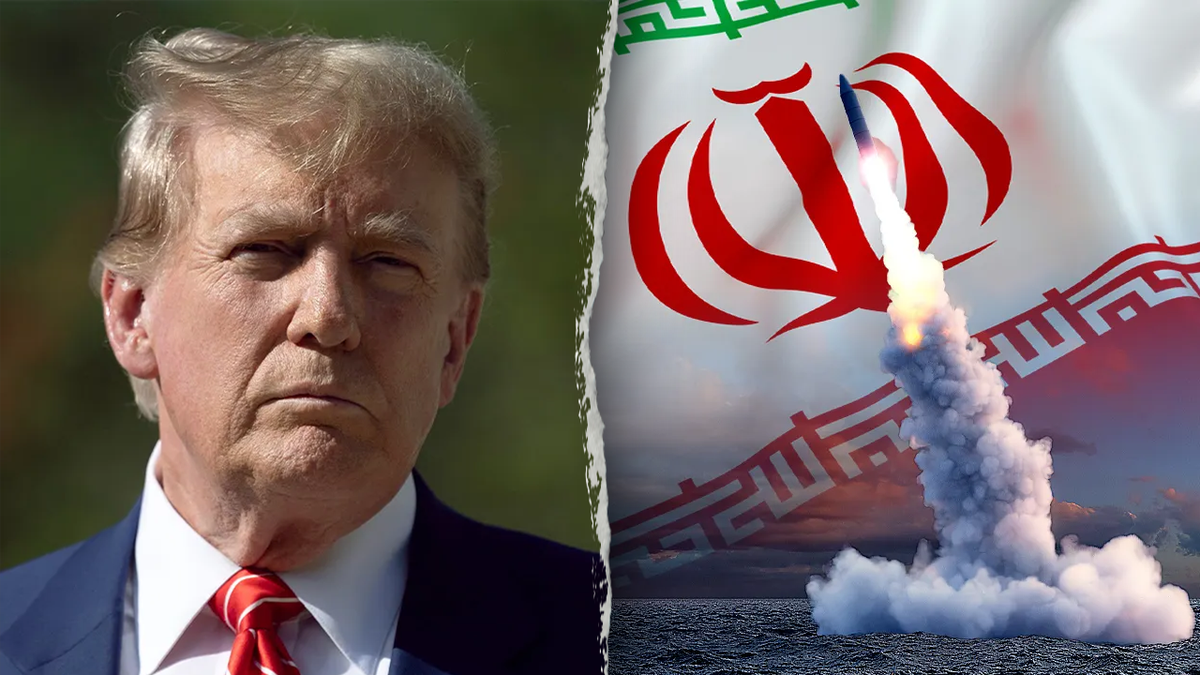
Donald Trump isn't exactly known for subtle diplomacy, but his latest take on the chaos in Tehran is blunt even by his standards. He’s claiming that the Iranian leadership is currently trapped in a paralyzed state of transition where no one actually wants the "top job." Why? Because they’re terrified of being killed—either by the United States or by their own people.
It’s a bold assertion that comes right as the smoke is still clearing from the massive military operation that took out Supreme Leader Ayatollah Ali Khamenei. Since that strike in late February 2026, the power vacuum in Iran hasn't just been a political problem; it’s become a survival crisis for anyone left in the room. Trump is essentially saying the "Help Wanted" sign at the Grand Auditor’s office is being met with a collective "no thanks."
The Fear of the Invisible Target
During a recent gathering with Republican members of Congress, Trump didn't hold back. He insisted that while Tehran is publicly scoffing at the idea of negotiations, they’re secretly desperate for a way out. The catch is that any official who steps up to sign a deal risks a very public, very permanent exit.
You have to look at the math from their perspective. The U.S. and Israel have spent the last month proving they can hit almost any target within Iranian borders. If you’re a high-ranking official, taking the lead means putting a giant neon sign over your head. Trump's logic is simple: they want the deal to stop the bombs, but they don't want to be the ones who get blamed for "surrendering" and end up facing an internal coup or an external missile.
- The internal threat: Hardliners within the IRGC (Islamic Revolutionary Guard Corps) aren't known for their love of compromise. Anyone seen talking to Washington risks being labeled a traitor.
- The external threat: Operation Epic Fury has shown that the U.S. intelligence and tracking systems are deeper than anyone realized.
A New Leader in the Shadows
While Trump talks about a job nobody wants, the position of Supreme Leader didn't stay vacant for long. Mojtaba Khamenei, the son of the late Ayatollah, was reportedly tapped for the role. But here’s the kicker: he’s barely been seen. There are no victory laps. No defiant televised speeches.
Instead, we’re seeing a leadership that communicates through intermediaries and written notes. It’s "leadership by proxy." This supports Trump’s theory that the current regime is operating in a state of pure survival. They’re trying to manage a war, a crumbling economy, and a 15-point U.S. peace proposal all while staying far away from windows and open spaces.
The 15-Point Ultimatum
The White House has moved from "unleashing hell" to offering a way out, but the terms are heavy. Reports suggest the 15-point plan involves:
- Complete cessation of all nuclear enrichment activities.
- Dismantling of the long-range missile program.
- Total withdrawal of support for regional proxies like Hezbollah.
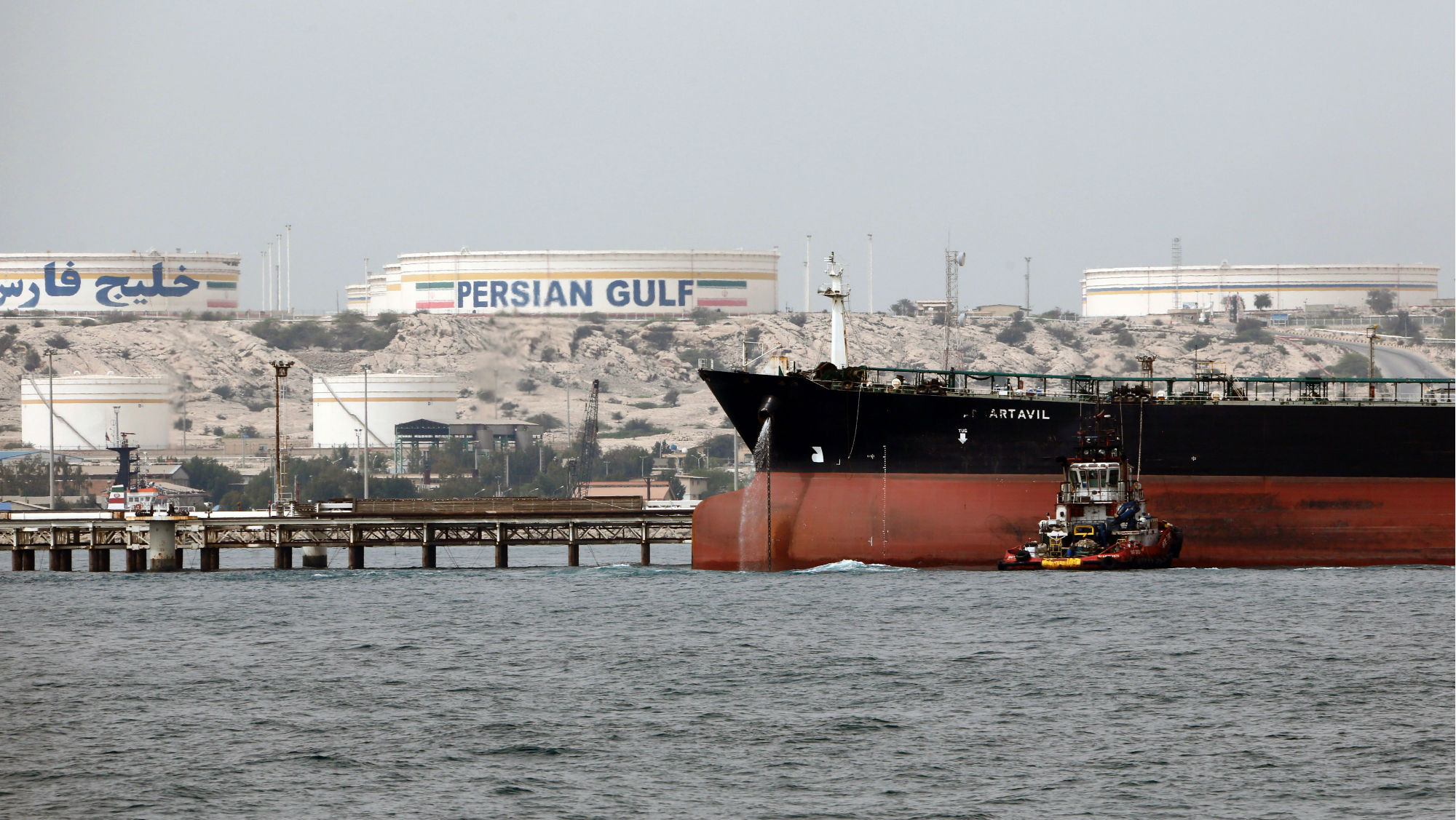
- Opening the Strait of Hormuz for unrestricted global shipping.
For an Iranian official, agreeing to these points is effectively dismantling the "Revolution" itself. It’s easy to see why someone would be "afraid" to put their name on that dotted line.
Why the Delay in Peace
Despite Trump’s optimism that a deal is "very close," the reality on the ground in Tehran is fractured. Foreign Minister Abbas Araghchi is still publicly denying that any talks are happening. He’s calling the U.S. claims "fake news" designed to manipulate the oil markets.
But if you look at the economics, Iran is bleeding. The bombing campaign has reportedly damaged over 85,000 civilian and commercial sites. The infrastructure is failing. People are frustrated. Trump is betting that the internal pressure from a starving, tired population will eventually outweigh the fear of a strike. He’s basically waiting for the regime to break before it bends.
What Happens if They Don't Deal
The clock is ticking on the five-day deadline Trump set earlier this week. If no one "claims" the authority to negotiate, we’re looking at another phase of Operation Epic Fury. We've already seen what "pinpoint bombing" does to the leadership structure. If they don't give in, the next step is likely hitting the energy infrastructure—the last thing keeping the Iranian economy on life support.
If you’re watching this play out, the next move isn't about grand strategies or high-level diplomacy. It's about whether anyone in Tehran has the courage to risk their life to stop the war.
If you want to stay ahead of the next escalation, keep a close eye on the price of Brent Crude oil. It’s currently the most accurate "fear index" for how much longer the Strait of Hormuz will stay open. If the talks fall through, expect a spike that rivals the 2022 energy crisis. Watch the news for the next White House briefing—the "deal" could be announced as a unilateral ceasefire by Saturday, but only if the Iranians blink first.