The sea around Kharg Island does not care about geopolitics. It is a heavy, rhythmic expanse of salt and oil, pressing against the limestone ribs of an island that serves as the beating heart of an entire nation’s economy. To look at a map, Kharg is a mere speck in the Persian Gulf. To stand on its docks, however, is to feel the vibration of millions of barrels of crude oil moving through steel veins, destined for markets half a world away.
Recently, that vibration was expected to falter.
The headlines across the globe carried the weight of fire and metal. US strikes in the region had sent ripples of anxiety through global markets, leading many to believe that the flow of energy from this Iranian outpost would finally stutter to a halt. Analysts in glass towers thousands of miles away checked satellite feeds. Traders held their breath. They expected smoke. They expected the jagged geometry of broken infrastructure.
Instead, they found a stubborn, eerie normalcy.
The Mechanics of Defiance
Imagine a worker named Reza. He is a hypothetical composite of the thousands who inhabit this coral outcrop, men whose lungs are accustomed to the thick, sweet scent of hydrocarbons. For Reza, the news of nearby military action is not a push notification on a smartphone; it is a distant thunder that he has heard before. He knows that if Kharg stops, the lights in cities he will never visit might flicker, but more importantly, the bread on his own table vanishes.
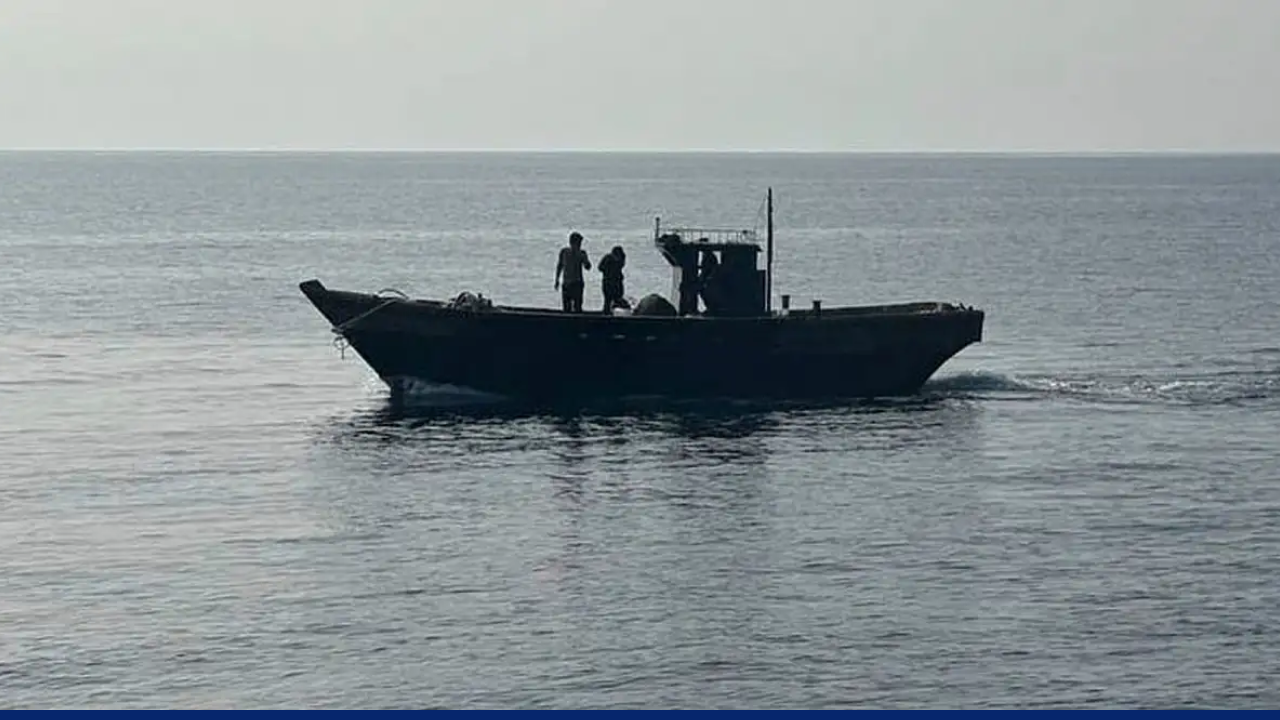
Iran’s state media operates with a specific kind of choreographed calm. Their reports from the island didn’t focus on the high-altitude tension of international diplomacy. Instead, they broadcasted images of tankers docking with the practiced indifference of a commuter catching a bus. This is the theater of stability. By showing the world a "situation normal," the narrative shifts from the vulnerability of a target to the resilience of a fortress.
But why does this tiny patch of land matter so much that its "normalcy" is a front-page victory?
Kharg Island handles roughly 90% of Iran's oil exports. It is the bottleneck. If the Persian Gulf is a funnel, Kharg is the narrowest point of the spout. The infrastructure here is a labyrinth of T-jetties and massive storage tanks that can hold millions of barrels. When the US carries out strikes against Iranian-backed interests in the region, the unspoken question is always: When will they hit the heart?
The Invisible Stakes of a Ghost Port
The tension lies in what we cannot see. While state media cameras capture the sun-drenched docks, they rarely zoom in on the aging nature of the equipment. Decades of sanctions have turned maintenance into an art form of improvisation. Every valve that turns and every pump that hums is a small miracle of local engineering and black-market parts.
The "normalcy" claimed by the media is a fragile veneer.
Consider the psychological weight of working on a target. When a technician climbs a storage tank to check a gauge, they are aware that they are standing on a landmark visible from space, a coordinate pre-programmed into the guidance systems of distant weapons. The bravery required to maintain a "normal situation" is not the bravery of a soldier in a trench; it is the quiet, grinding persistence of a civilian who refuses to let the machinery stop.
The stakes are not just measured in barrels. They are measured in the stability of the Iranian Rial and the heating bills of homes in Beijing or New Delhi. When the flow from Kharg is threatened, the price of a gallon of gasoline in a suburban American town can tick upward. We are all tethered to this limestone rock by invisible threads of supply and demand.
A Game of Shadows and Satellites
There is a profound disconnect between the digital war of information and the physical reality of the island. On social media, rumors of explosions and "confirmed" hits spread like wildfire, fueled by low-resolution satellite imagery interpreted by amateur sleuths.
Then comes the state media's rebuttal.
They present a video of a calm sea. A captain drinks tea on the bridge of a vessel. The contrast is jarring. It forces the observer to ask: who is telling the truth? Usually, the truth exists in the gray space between. The strikes may not have hit the island, but they hit the logistics. They hit the confidence of the insurers who cover these ships. They hit the courage of the crews who must navigate these waters.
To understand Kharg is to understand the concept of "Strategic Depth." For Iran, the island is more than an oil terminal; it is a shield. As long as the oil flows, the state remains solvent. As long as the "situation is normal," the message to the West is clear: Your actions have not changed our reality.
The Human Cost of the Calm
We often talk about these events as if they are moves on a chessboard. We use words like "assets," "logistics," and "output." But the real story of Kharg Island is the sound of the wind whipping off the Gulf, cooling the skin of a man who hasn't seen his family in weeks because the shift rotations are grueling and the pressure to keep the oil moving is relentless.
The "situation normal" isn't a gift. It is a product of intense, invisible labor.
If a strike were to land, the environmental catastrophe alone would be staggering. The coral reefs that give the island its foundation would be smothered in black. The fishermen in nearby coastal villages—men who have nothing to do with the nuclear deals or the drone strikes—would find their livelihoods dissolved in a slick of crude. This is the human element that dry news reports omit. They talk about "market volatility" when they should be talking about the breath of the ocean.
As the sun sets over the Gulf, the lights of Kharg Island flicker on. From a distance, it looks like a floating city, a constellation of amber and white against the velvet dark. It looks peaceful. It looks, as the state media insists, normal.
But beneath that calm is the frantic, high-stakes pulse of a nation holding its breath, waiting to see if the next dawn brings another day of routine or the flash of a changing world. The island remains, for now, a stubborn monument to the status quo, anchored in a sea that remembers every ship that ever passed, and every one that never made it home.
The oil continues to flow, but the silence on the docks is louder than it has ever been.