You’re sitting on your couch on a Thursday night, ready to watch your team play. You flip to the local channel. Nothing. You check cable. Nothing. Then you remember: this game is exclusive to a streaming service you don’t pay for. By the time the season ends, you’ve realized that following your favorite team isn't just a hobby anymore—it’s a monthly bill that looks more like a car payment.
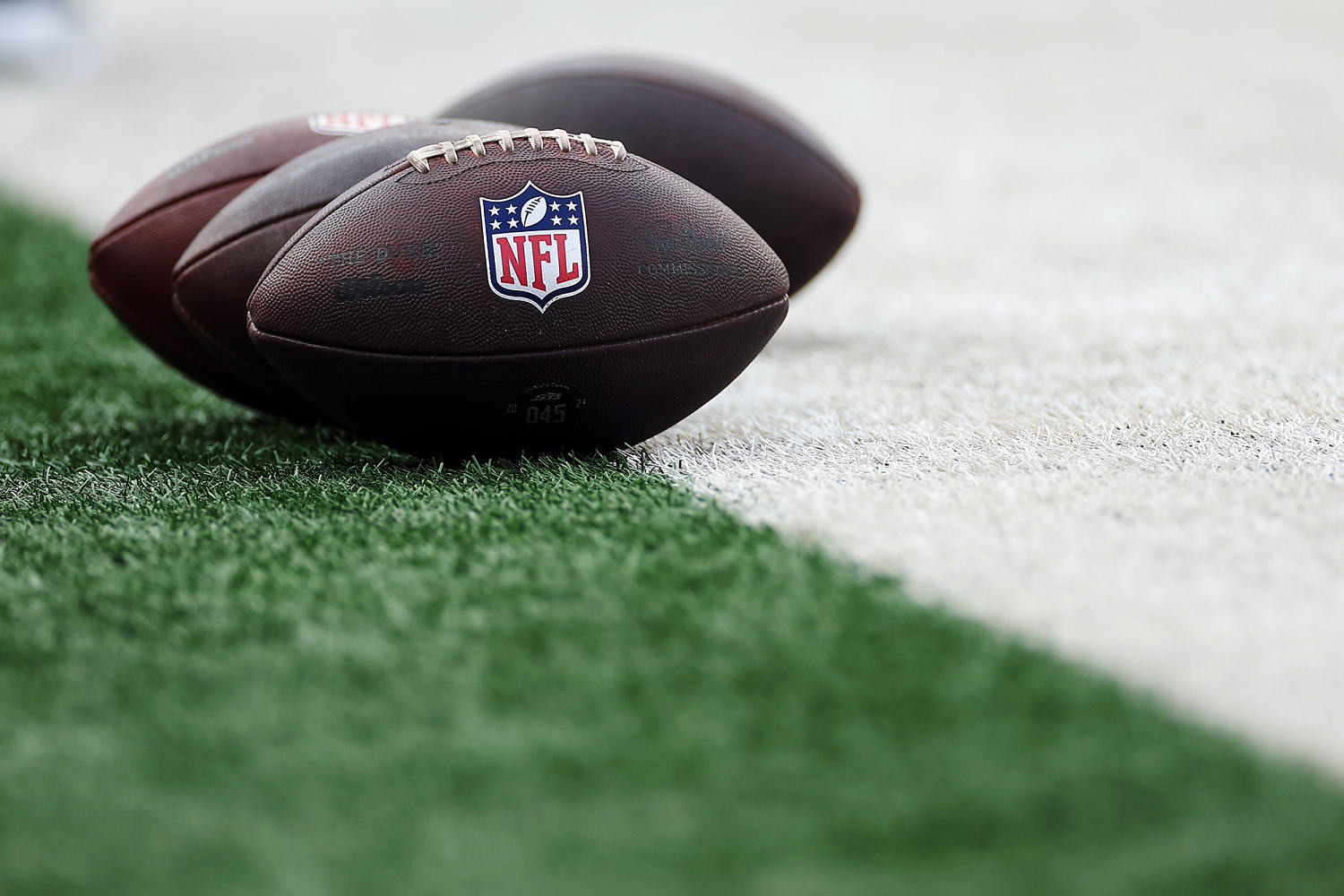
The Department of Justice has finally seen enough. Sources confirmed on April 9, 2026, that federal investigators have opened a formal antitrust probe into the NFL. They're looking at whether the league’s media deals are essentially a shakedown of the American consumer. This isn't just about a few missing games. It’s about a coordinated effort to slice up a single product into ten different pieces and charge you for every single one.
The End of the Free Lunch
For decades, the NFL relied on the 1961 Sports Broadcasting Act. This law gave the league a hall pass on antitrust rules, allowing 32 separate teams to act as one giant entity to sell TV rights. It worked because the games were mostly on free, over-the-air networks like CBS, NBC, and Fox. Everyone won. The league got rich, and you just had to buy an antenna.
But that world is gone. Today, the NFL has sliced its schedule into a confusing mess of exclusive windows. Last season, games were scattered across ten different platforms. We’re talking Amazon Prime, Netflix, Peacock, YouTube, and traditional cable. If you wanted to see every game in 2025, some estimates say you would’ve shelled out over $1,500.
The DOJ’s core concern is "affordability for consumers." When the league signs an exclusive deal with a streamer, it isn't creating competition; it's creating a series of mini-monopolies. You can't go to a different store to buy the Thursday night game. You either pay the specific gatekeeper or you sit in the dark.
The $14 Billion Shadow
The timing of this probe isn't accidental. The league is already reeling from a massive legal headache involving "NFL Sunday Ticket." A jury previously hit the NFL with a $4.7 billion verdict, ruling that the league conspired to keep the price of out-of-market games artificially high. Because it’s an antitrust case, those damages can be tripled to a staggering $14.1 billion.
The NFL managed to get that verdict tossed by a judge on a technicality, but it’s currently tied up in the Ninth Circuit Court of Appeals. The DOJ is likely looking at the same evidence and asking the same question: Why can’t fans just buy a single team’s games? Why are they forced into an "all-or-nothing" package that costs $400 or more?
I’ve talked to fans who have supported teams for 40 years and are now giving up because the math doesn't add up. When the NFL sells a playoff game exclusively to a streaming service—like they did with Peacock and then Netflix—they aren't just reaching new audiences. They're helding the most loyal fans for ransom.
The NFL Defense
The league isn't staying quiet. Their official stance is that 87% of games are still on free broadcast TV. They argue that if your local team is playing, the game will be on a local station. They call their model the most "fan-friendly" in sports.
That’s a half-truth. While it’s true for the local market, the modern NFL fan doesn't just live in the city where their team plays. We’re a mobile society. A Cowboys fan in New York or a Steelers fan in Florida is essentially forced into the "Sunday Ticket" ecosystem. And let’s be honest: the league’s claim of "availability" doesn't account for the fact that they’ve intentionally made the viewing experience as fragmented as possible to juice their $110 billion media deals.
What This Means for Your Wallet
This investigation won't change things by next Sunday. Antitrust probes move at a glacial pace. However, the pressure is mounting from multiple directions. Senator Mike Lee and even the FCC have started asking why the Sports Broadcasting Act still applies to a league that behaves more like a tech monopoly than a sports organization.
If the DOJ finds that the NFL is overstepping its legal exemptions, we could see a total shift in how games are sold. We might finally get what fans have wanted for years:
- Single-team packages that don't cost hundreds of dollars.
- A limit on how many exclusive streaming windows the league can sell.
- Requirements to keep playoff games on broadcast television.
The league is currently trying to squeeze an extra $1 billion out of Paramount Skydance for CBS rights. They’re aggressive because they think they’re untouchable. But with the federal government now looking under the hood, the NFL’s era of unlimited price hikes might be hitting a brick wall.
For now, don't go canceling your subscriptions just yet. But keep an eye on your billing statements. If you’re tired of paying for four different apps just to see one season of football, you aren't alone—and for the first time in a long time, the people in Washington actually seem to agree with you. Check your current streaming contracts for auto-renewals. Many of these services bank on you forgetting to cancel once the Super Bowl ends. Stop letting them "passive-bill" you for content you aren't watching in the off-season.