Oil markets don't just react to bullets; they react to the fear of what comes after the bullets. When news broke on Saturday, March 14, 2026, that US forces "obliterated" military targets on Iran's Kharg Island, the global energy community didn't just look at the damage—they looked at the map. Kharg is a five-mile strip of coral that acts as the jugular vein for 90% of Iran's crude exports. By striking the military assets there while "decidedly" sparing the loading jetties, the US hasn't just sent a message; it's placed a knife against that jugular.
If you're wondering why Brent crude is hovering near $100 after a weekend of high-stakes gambling, it's because the "Kharg premium" is now a permanent fixture of your gas bill. Traders aren't just betting on supply anymore. They’re betting on whether Iran will burn its own house down to light a fire under the West.
The Strategic Jugular of the Persian Gulf
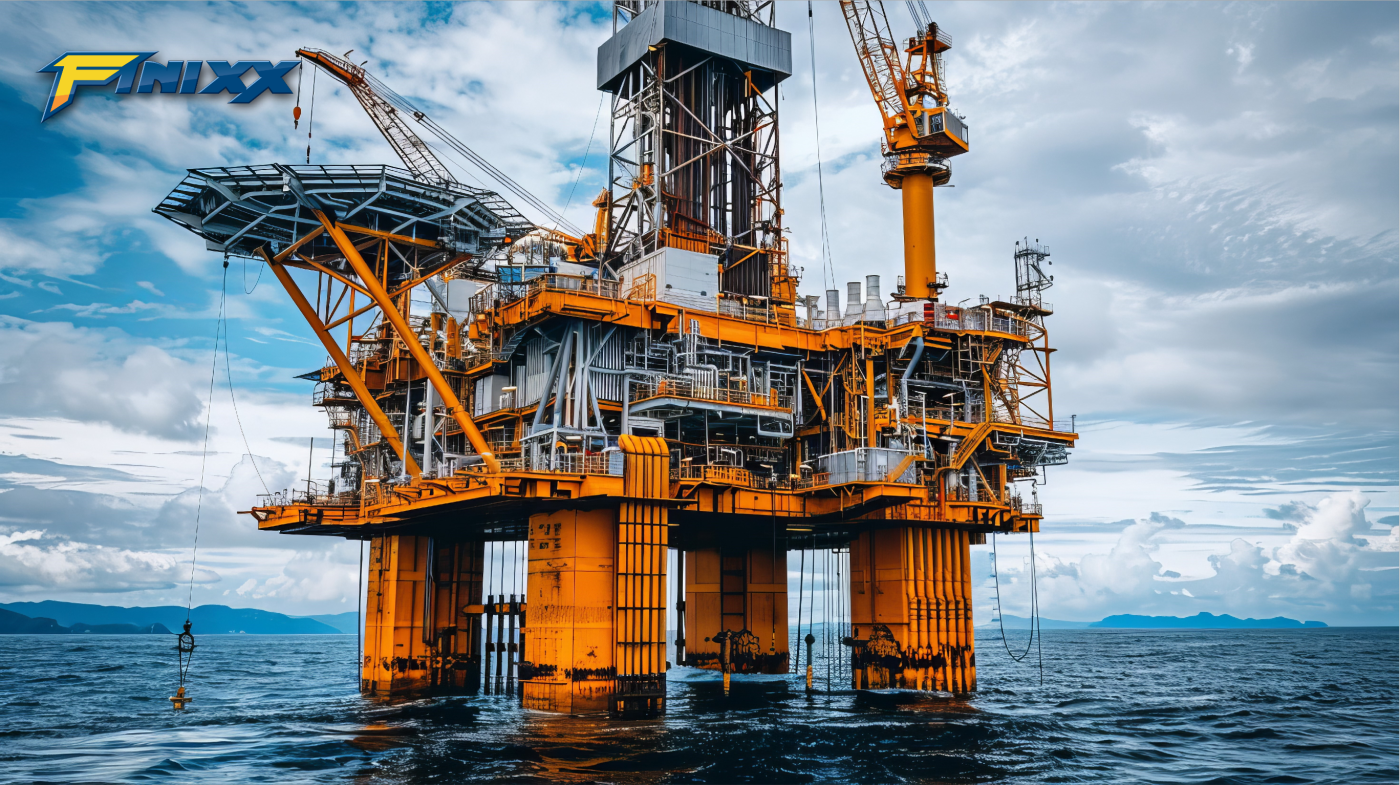
Kharg Island isn't just another port. It’s a massive industrial fortress designed to move seven million barrels of oil a day. It’s where the pipelines from the mainland fields like Ahvaz and Marun terminate. Deep water on its eastern shore allows supertankers to dock and drink up Iran’s lifeblood. In February 2026, Iran was pumping roughly 1.6 million barrels per day through this tiny outcrop.
The US strategy here is a classic "hostage" play. By taking out the missile batteries and drone launchers on the island, the Pentagon is trying to clear the way for minesweepers to reopen the Strait of Hormuz. But they’re doing it while keeping the oil infrastructure intact—for now. It's a clear ultimatum: let the tankers through the Strait, or we stop the oil flowing out of Kharg.
Why This Week Will Be a Meat Grinder for Traders
The market is currently staring at a massive 20 million barrel-per-day deficit. The Strait of Hormuz is essentially a ghost town. Even though the US claims the strikes were surgical, insurance companies don't care about "surgical." War risk coverage has been pulled for almost all commercial shipping in the Gulf. This means even if a terminal is standing, the ships won't come.
- Supply Shut-ins: Saudi Arabia, Iraq, and Kuwait are already hitting their storage limits. When you can't ship the oil out, you have to turn off the taps. The IEA estimates about 10 million barrels per day of production has already been "shut in" across the region.
- The China Factor: China is the primary buyer of the oil leaving Kharg. If those jetties actually get hit, or if the US seizes the island, we’re not just talking about a price hike. We’re talking about a geopolitical showdown between the world’s two largest economies over energy security.
- The $150 Shadow: Analysts are whispering about 2008-level prices. If Kharg's export capacity is physically destroyed, experts from firms like Kpler suggest it could take a year to rebuild. That's a permanent hole in the global supply that even a 400-million-barrel IEA release can't plug forever.
The Misconception of "Surgical" Strikes
A lot of people think that because the oil tanks weren't hit, the market should stay calm. That's a mistake. In the oil world, "functional" and "available" are two very different things. Iran has already retaliated by striking a UAE energy hub and targeting storage in Bahrain.
The Iranian Revolutionary Guard isn't just going to sit back because their "crown jewel" was spared. They’ve already signaled that if they can't export oil, nobody will. This creates a feedback loop of volatility. Every time a drone is intercepted over Fujairah, the price of Brent jumps $2.
What You Should Actually Watch This Week
Don't just watch the headlines about bombing runs. Watch the tanker tracking data. If you see "dark" ships—tankers with their transponders off—trying to make a run for it from Kharg, it means Iran is desperate for cash. If the US starts interdicting those specific ships, the "tumultuous week" Bloomberg predicted will look like a calm Sunday afternoon.
The G7 is already talking about a massive emergency release, but remember: reserves are a bandage, not a cure. You can't run the world on SPR releases for six months if the Persian Gulf is closed for business.
If you're managing a portfolio or just trying to budget for the month, stop looking for "stability." It’s gone. We're in a period where "no news" is the only good news. This week, keep a close eye on the shipping insurance rates in the Gulf. If they don't start to fall after these strikes, it means the market doesn't believe the US has actually secured the area.
Start diversifying into energy-independent sectors or hedging with commodities now. The Kharg Island situation isn't a one-off event; it’s the start of a new, much more expensive reality for the global energy market.