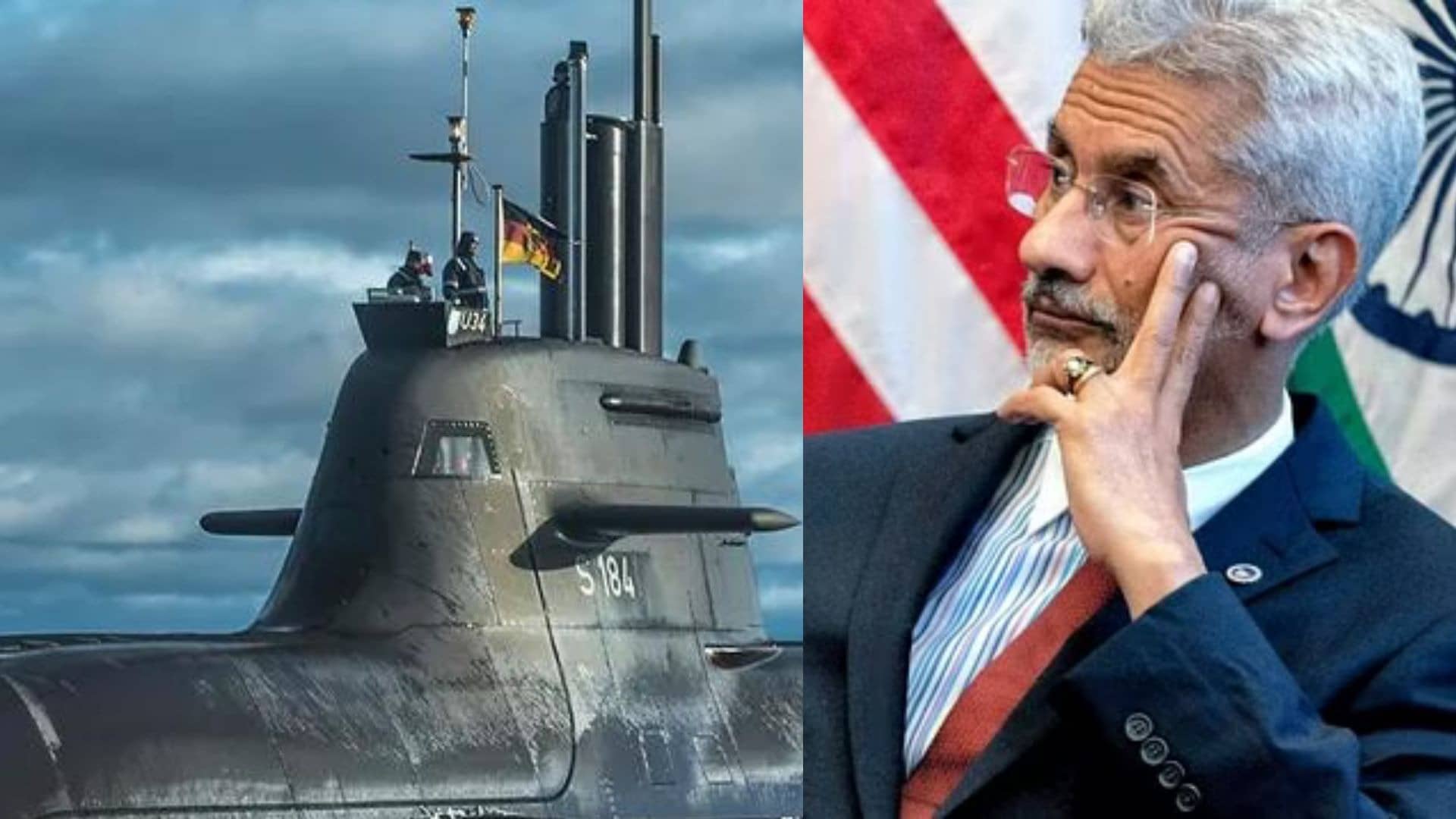
India’s External Affairs Minister, S. Jaishankar, isn't just taking another routine flight to Europe. His arrival at the Abbaye des-Vaux-de-Cernay for the G7 Foreign Ministers' meeting on March 26 and 27, 2026, marks a heavy-hitting moment for Indian diplomacy. France is the host, and they’ve made it clear that they don't want the G7 to be an exclusive Western club anymore.
You’ve got to look at the timing here. The world is basically a powder keg. Between the escalating West Asia crisis and the ongoing grind in Ukraine, the "Seven" realize they can’t solve much without the "Plus." That’s where India comes in. Jaishankar isn't there as a spectator; he’s there because India is now a necessary part of the solution for everything from maritime security to global trade routes. For a different perspective, read: this related article.
Why the G7 Needs India Right Now
The G7—Canada, France, Germany, Italy, Japan, the UK, and the US—has plenty of economic muscle, but it lacks the geographic and political reach that India provides. France’s Foreign Minister, Jean-Noël Barrot, knows this. That's why India, alongside Brazil, South Korea, and Saudi Arabia, has a seat at the table this week.
The big headache on the agenda? The Strait of Hormuz. Similar analysis on this matter has been shared by The New York Times.
Recent friction in West Asia has sent oil prices surging past $100. If that waterway chokes, the global economy takes a hit that nobody wants. India has a massive stake here—not just for its own energy security, but as a regional power that can actually talk to all sides. It’s also about the Red Sea and the Indian Ocean. Freedom of navigation isn't just a fancy phrase; it’s the difference between a functional supply chain and a massive, expensive mess.
Ukraine and the Long-Term Fix
The first session on Thursday kicked off with a hard look at Ukraine. It’s been years now, and the G7 is shifting gears from just military aid to "reconstruction." That’s a polite way of saying they’re trying to figure out who’s going to pay to rebuild and how to do it safely.
Think about it. Nuclear safety, clearing out mines, and finding the money for a massive rebuilding project are on the docket. India has consistently called for a return to diplomacy, and while it doesn't always agree with every G7 stance on Russia, its participation here is critical. The G7 wants India’s voice because it helps give their decisions more weight beyond just the "West."
The Quiet Power of Sideline Talks
We always look at the big group photos, but the real work usually happens in the hallways and backrooms. Jaishankar is expected to hit a high-speed series of bilateral talks. If you’ve followed his style, you know he doesn't waste time on small talk.
He’ll be meeting his counterparts to drill down on specific issues that matter to New Delhi. Expect intense talk on:
- Securing Critical Minerals: This is the new oil. Without them, there's no high-tech future, and no green energy.
- Countering Narco-Traffic: It’s a growing "horizontal threat" that’s hitting everyone from North America to Southeast Asia.
- Reforming Global Governance: India’s been saying for a long time that the UN and other big institutions are outdated. Being at the G7 is a way to push that point home where it actually hurts.
The Innovation Angle
This visit isn't happening in a vacuum. Remember, 2026 is the "India-France Year of Innovation." This adds another layer to why Jaishankar is in France. It’s about more than just stop-gap measures for current crises; it’s about a long-term roadmap that includes defense, space, and AI.
France has been India's most reliable strategic partner in Europe for decades. They were the first to sign a strategic partnership with India, and they've often been more open to India's "strategic autonomy" than others in the G7.
Moving Beyond the "Western" Echo Chamber
Some people ask why India even bothers with the G7. It’s not a member, after all. But look at what happens when the G7 tries to go it alone. They end up with policies that often don't work for the rest of the world.
By having Jaishankar there, the G7 is forced to deal with a perspective that isn't just an echo of Washington or Brussels. It brings some reality to the room. If you’re trying to fix global supply chains, you can't ignore the country that’s become one of the world's most vital manufacturing and tech hubs.
What Actually Happens Next?
This meeting is the setup for the G7 Leaders' Summit in Evian this June. The outcomes here—whether it’s a joint statement on maritime security or a new plan for Ukraine’s reconstruction—will set the tone for the rest of the year.
If you’re watching the news, keep an eye on two things: any specific commitments on the Strait of Hormuz and any movement on the "Pact for Prosperity, People, and Planet." These aren't just buzzwords; they’re the framework for how the world’s biggest economies plan to handle the next decade of instability.
The next step is to watch for the joint communique coming out on Friday. That's where you'll see if the "Plus" in G7-Plus actually had the impact France is hoping for. India is playing a long game here, and Jaishankar’s presence in France is just the latest move in making sure India's voice is impossible to ignore on the global stage.