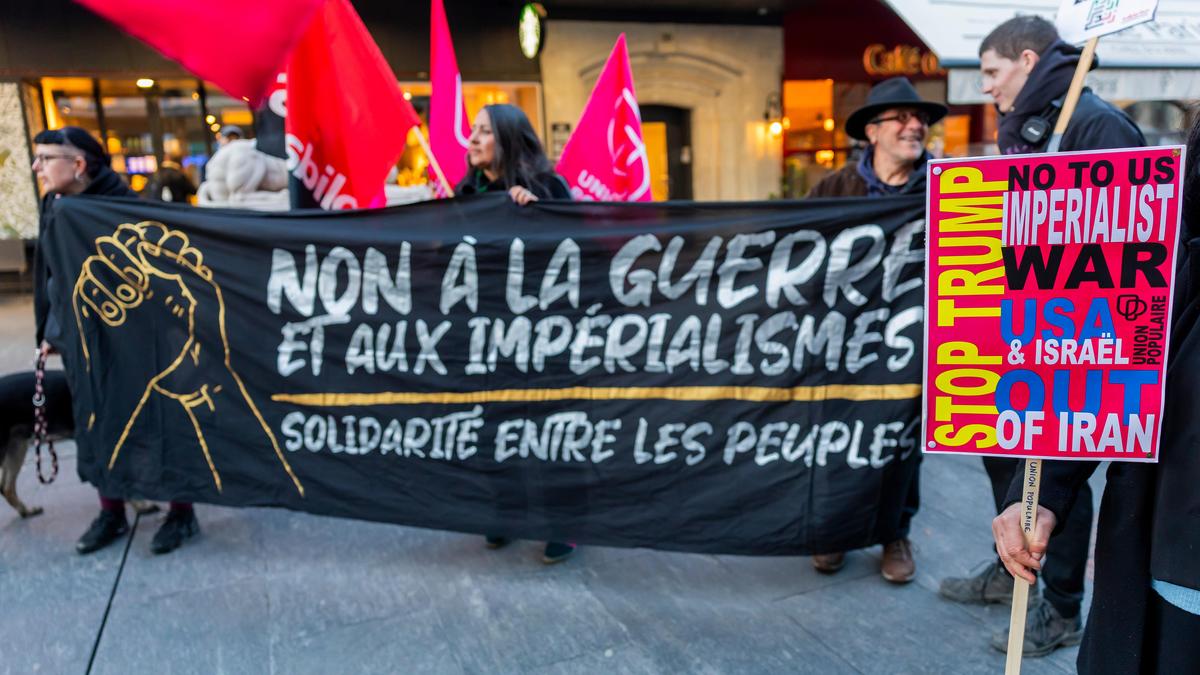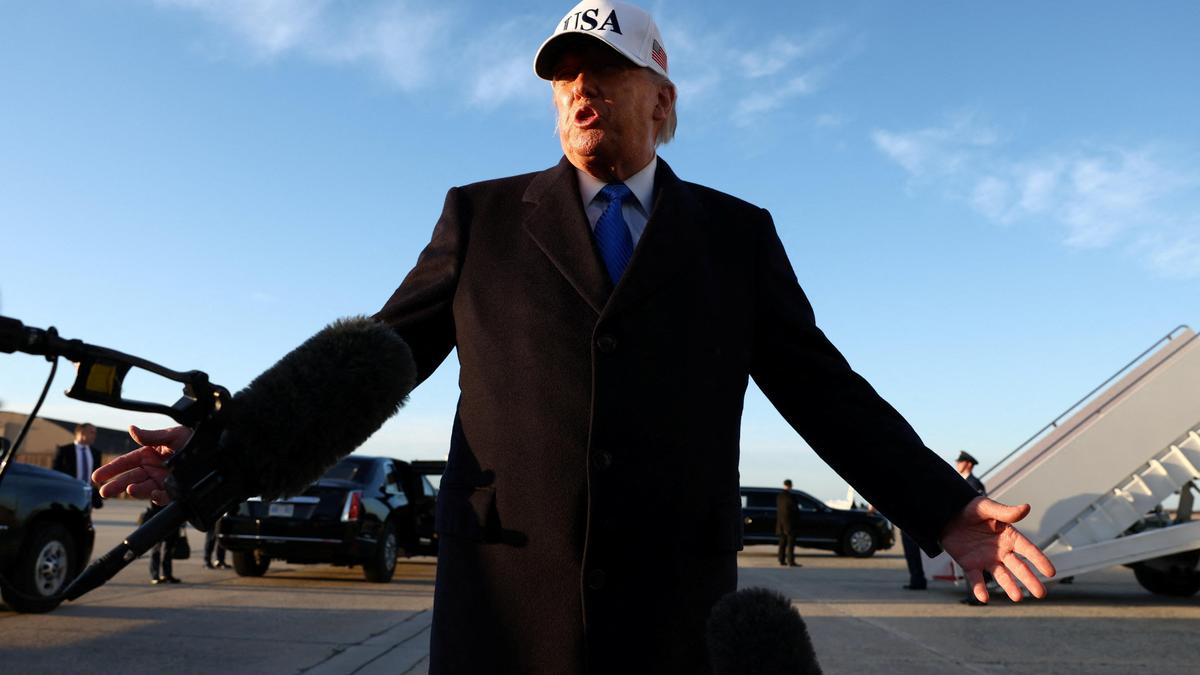
Two weeks of "Operation Epic Fury" have turned the Middle East into a tinderbox and Donald Trump’s political capital into ash. What was sold as a surgical strike to decapitate the Iranian regime and secure global peace has morphed into a messy, expensive, and deeply unpopular slog. The President, who once mocked his predecessors for "quixotic" Middle Eastern misadventures, now finds himself the architect of the very thing he claimed to despise: a war of choice with no clear exit ramp.
Gas prices are screaming past $100 a barrel. The Strait of Hormuz is a graveyard for shipping. Even with the death of Supreme Leader Ali Khamenei, the clerical regime hasn't folded. Instead, they’ve dragged the conflict into the streets of Dubai and the oil fields of Bahrain. Trump is finding out the hard way that you can bomb a country to smithereens, but you can’t bomb them into liking you—or into surrender.
The Myth of the Short War
The administration's initial messaging was clear. This was going to be fast. It was going to be "decisive." Secretary of Defense Pete Hegseth claimed Iran's military was "decimated" within days. But reality doesn't care about White House press releases. Two weeks in, the U.S. and Israel have hit over 200 targets, yet the "unconditional surrender" Trump keeps demanding remains a fantasy.
What we're seeing is the "escalation trap" in real-time. Iran has pivoted to horizontal escalation—widening the conflict to hit U.S. allies in the Gulf. When drones hit the Fujairah oil hub and damaged Dubai International Airport, the economic shockwaves hit the American suburbs instantly. Voters who were promised a "Great Victory" are instead staring at rationing and $6-a-gallon gas.
Politics of the Pump
Trump’s biggest mistake wasn't tactical; it was a fundamental misreading of the American public's "cakeism." People like the idea of "whacking the bad guys" until it hits their checking account.
- Approval is cratering: Only 38% of voters approve of his handling of Iran.
- The Economy is the Achilles heel: 58% disapprove of his economic management, the highest since he took office.
- Partisanship is the only shield: While 85% of Republicans still back the strikes, Independents have sprinted for the exits, with 60% opposing the military action.
Democrats, once reeling from the 2024 election loss, have found their footing. They're pinning every cent of inflation directly on the "Trump War." With the 2026 midterms looming, the GOP is split. Traditional hawks like Lindsey Graham are cheering, but the populist wing—the people who actually put Trump in power—are wondering why we're spending billions in Tehran while domestic infrastructure rots.
The Russia-Venezuela Connection
To stop the bleeding at the pump, the administration is making desperate moves that make "America First" look like a joke. The Treasury Department just announced a 30-day waiver on Russian oil sanctions. Let that sink in. To offset the Iran war's impact, Trump is effectively funding Vladimir Putin’s war in Ukraine.
We're also seeing a sudden, "holistic" rush to play nice with Venezuela. It’s a cynical shell game. You can’t claim to be the world's policeman while begging the world’s outcasts to save your domestic approval ratings. This isn't strategy; it's a frantic attempt to keep the S&P 500 from falling off a cliff.
A Legacy in Ruins
The President seems more concerned with his "Board of Peace" ceremonies and claiming he destroyed Kharg Island "just for fun" than with the six U.S. service members who just died in a refueling crash in Iraq. This detached, almost casual attitude toward the mounting body count is alienating the very military families he relies on.
The "President of Peace" branding is dead. If this conflict enters a third week without a major diplomatic breakthrough, the "rally around the flag" effect will be completely gone. We are looking at a protracted insurgency, a global energy crisis, and a president who is increasingly isolated in his own Mar-a-Lago war room.
If you're looking for a silver lining, there isn't one yet. The next logical step for the administration is either a humiliating climbdown from the "unconditional surrender" demand or a dangerous commitment of ground troops—a move that 74% of Americans explicitly oppose. Keep an eye on the Friday inflation reports; they'll tell you more about the war's future than any Pentagon briefing ever will.
Monitor the retail price of diesel in your area. If it holds above pre-war levels into April, expect the political pressure on the White House to reach a breaking point.