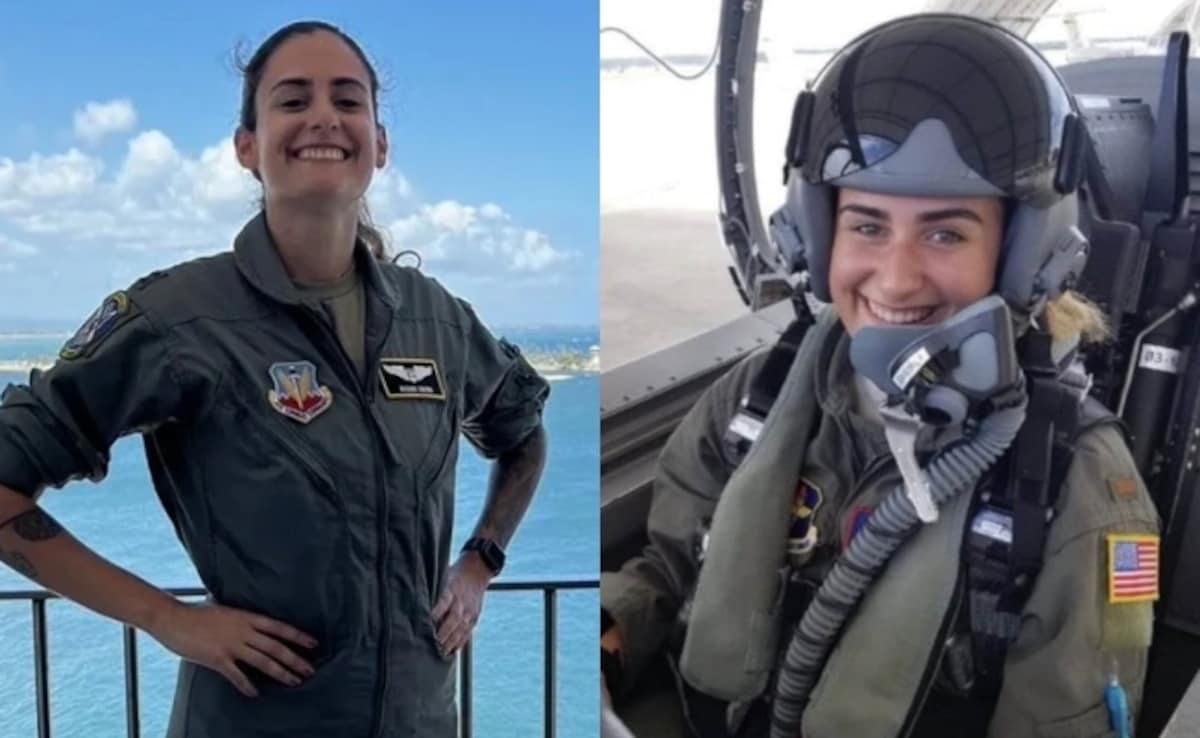
Freedom isn't cheap. We hear that phrase so often it's become a hollowed-out greeting card sentiment, but for the families of six American soldiers, those words carries a weight most of us can't imagine. When a Black Hawk helicopter went down in Iraq, it didn't just take lives. It shattered the silence of a supposedly "quiet" period of engagement. Among those lost was Captain Jennifer Moreno, a nurse who chose the front lines over the safety of a domestic hospital.
People often ask why a highly skilled medical professional would volunteer for a Special Operations Cultural Support Team. The answer is simple. She wanted to be where she could do the most good, even if that meant jumping out of planes and walking into active blast zones.
Remembering the Fallen Beyond the Headlines
The crash killed six soldiers in total. It's easy to see a number and feel a fleeting moment of sadness before scrolling to the next news story. Don't do that. Each of these individuals had a life, a "back home," and a reason for being in that cockpit. Captain Moreno, specifically, was part of a shift in how the military utilizes women in combat zones.
She wasn't just a passenger. She was an integral part of a mission designed to reach populations that male soldiers often couldn't access due to cultural boundaries. This wasn't about optics or diversity quotas. It was about tactical necessity. When we talk about her dying "doing what she loved," it's not some romanticized cliché. It's a recognition that she was exactly where she felt her skills were most vital.
The Reality of Helicopter Operations in Conflict Zones
Aviation in a place like Iraq remains one of the most dangerous jobs in the world. You're dealing with extreme heat, unpredictable dust storms, and the constant mechanical strain on the airframe. While the investigation into this specific crash focused on technical failure versus hostile fire, the result is the same.
Black Hawks are the workhorses of the Army. They're reliable, but they aren't invincible. Flying at night, often using night-vision goggles that strip away depth perception, requires a level of focus that would break a normal person. The pilots in this crash were some of the best. Sometimes, despite all the training and all the maintenance, gravity wins.
- Environmental Factors: High temperatures reduce lift, making every maneuver more precarious.
- Mission Stress: Low-altitude flying to avoid detection increases the risk of hitting unmarked obstacles.
- Mechanical Fatigue: Constant deployments mean these birds are flying more hours than they were originally designed for.
Why This Loss Hits Differently
Captain Moreno’s story stands out because she represents a specific type of courage. She was a nurse. Her entire career was dedicated to healing, yet she put herself in a position where she had to face the most violent aspects of human nature.
Her family's statement that she died doing what she loved isn't just about the military. It's about the purpose. Most people spend their lives trying to avoid discomfort. She ran toward it. That kind of self-selection creates a vacuum when it's gone. The Army didn't just lose a soldier; the medical community lost a pioneer.
The Evolution of Cultural Support Teams
If you're wondering what a nurse was doing with a Special Operations unit, you have to understand the CST program. These teams were created to bridge the gap in places like Iraq and Afghanistan.
Women like Moreno were trained to interact with local women and children during night raids. This allowed the tactical teams to maintain security while ensuring that the mission didn't unnecessarily alienate the local population. It’s high-stakes, high-pressure work. You're often the only medic on the ground in a village where nobody speaks your language, and everyone is terrified.
The Families Left Behind
The aftermath of a military crash is a slow-motion car wreck for the families. First comes the knock on the door. Then the dignified transfer of remains. Then the realization that the seat at the Thanksgiving table will stay empty forever.
We owe it to them to look at the names. We owe it to them to understand that "Iraq" isn't just a place on a map or a political talking point. It's a place where Americans are still putting their lives on the line every single day. Captain Moreno’s legacy lives on in the nurses she inspired and the soldiers who survived because she was there to patch them up.
Honor the Sacrifice Through Action
Don't just read this and move on. If you want to honor Captain Moreno and the five other soldiers lost in that crash, do something tangible. Support organizations that actually help Gold Star families navigate the bureaucracy of loss.
Check out the Tragedy Assistance Program for Survivors (TAPS) or the Special Operations Warrior Foundation. These groups don't just give out plaques; they provide scholarships for the children left behind and counseling for the spouses. Real honor isn't found in a social media post. It’s found in making sure the families of the fallen aren't forgotten once the news cycle moves on to the next scandal. That's how you keep a legacy alive.