Diplomacy is not about human rights. It never has been. When India stands before the United Nations General Assembly (UNGA) to "hit out" at Pakistan over the persecution of Ahmadiyyas or air-strikes in Afghanistan, it isn't an act of moral altruism. It is a calculated, strategic deployment of narrative warfare designed to mask a much grimmer reality of regional realpolitik.
The media loves the drama. They track every "right of reply" like it’s a championship boxing match. But if you are watching the podium, you are missing the transaction happening under the table. The "lazy consensus" suggests these speeches are about holding nations accountable. In reality, they are a high-stakes distraction from the shifting tectonic plates of South Asian trade, energy security, and the failure of international law to provide anything more than a glorified suggestion box. For another perspective, check out: this related article.
The Myth of the Moral High Ground
States do not have consciences; they have interests. When New Delhi highlights the plight of the Ahmadiyya community in Pakistan, it is leveraging a genuine humanitarian crisis as a tactical counter-weight to Islamabad’s perennial obsession with Kashmir. This is the "Whataboutism Cycle." It’s a closed loop where both nations use the suffering of minorities as rhetorical ammunition while their actual policies remain static.
If you believe these speeches lead to change, you haven't been paying attention to the last seventy years. The Ahmadiyya community has been systematically disenfranchised in Pakistan since the 1974 constitutional amendment and the subsequent Ordinance XX in 1984. These are not new developments. Bringing them up at the UNGA is not an attempt to "save" anyone; it is a maneuver to de-legitimize the opponent on the global stage before the next round of FATF (Financial Action Task Force) reviews or IMF loan negotiations. Further reporting on this matter has been provided by The New York Times.
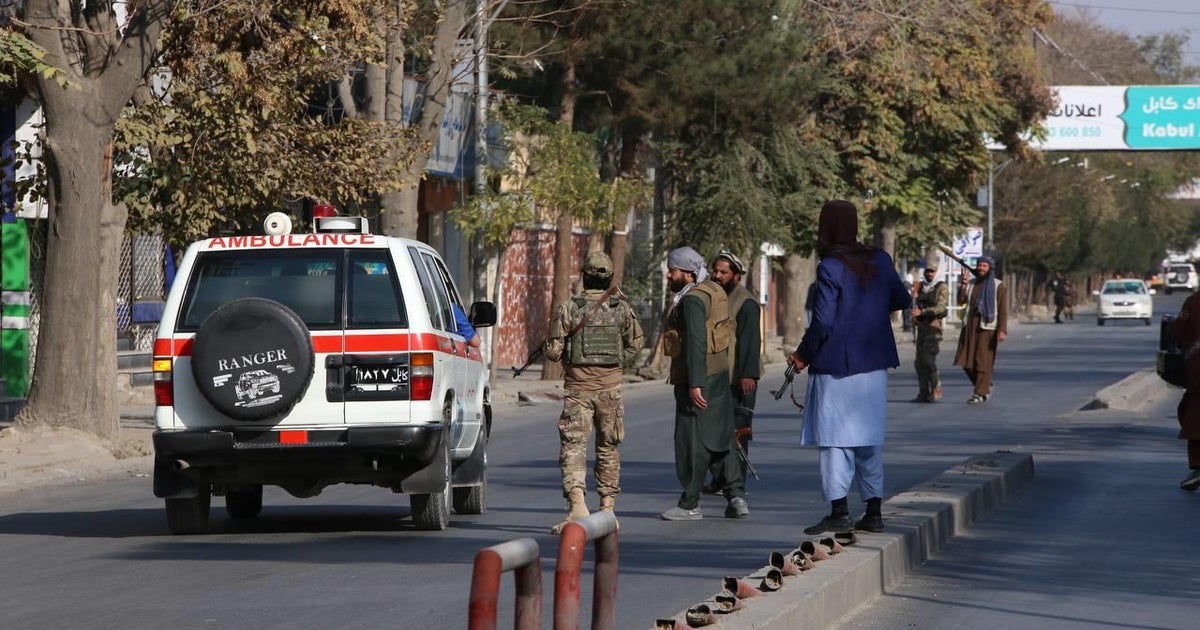
The same applies to the condemnation of air-bombings in Afghanistan. Condemning these actions serves a dual purpose: it paints the neighbor as a regional destabilizer while signaling to the Western bloc that India remains the only "responsible" nuclear power in the vicinity. It’s a branding exercise. It’s about credit ratings and foreign direct investment (FDI) as much as it is about border security.
The Real Cost of Rhetorical Warfare
We see the same pattern in corporate boardrooms. A CEO will loudly champion "sustainability" while quietly lobbying against carbon taxes. In the geopolitical arena, the loud "hits" at the UN are the ESG reports of diplomacy. They look good on paper, they satisfy the domestic base, but they don't change the operational mechanics of the region.
The cost of this constant bickering is a paralyzed SAARC (South Asian Association for Regional Cooperation). While Southeast Asia integrated through ASEAN and Europe built the EU, South Asia remains one of the least integrated regions in the world. Intra-regional trade sits at a pathetic 5%. Compare that to the 25% in ASEAN.
By focusing on the "theater of outrage," both nations ensure that the status quo of economic isolation remains. This isn't just a failure of imagination; it's a deliberate choice by political elites who find it easier to manage a population fueled by indignation than one demanding a functional regional economy.
Why the "Human Rights" Framing is Flawed
The international community asks the wrong questions. They ask: "How can we stop the persecution?" or "How can we hold these states accountable?"
The brutal truth? You can't. Not through the UN. The UNGA is a deliberative body with zero enforcement power. The Security Council is where the teeth are, and the Security Council is currently a relic of 1945, frozen by the vetoes of powers that have their own skeletons in the closet.
To understand the Ahmadiyya issue or the Afghan strikes, you have to stop looking at them through the lens of human rights and start looking at them through the lens of Strategic Depth and Internal Legitimacy.
- Strategic Depth: For Pakistan, a specific type of influence in Afghanistan is viewed as essential to avoid being "sandwiched" between two hostile powers. The air-strikes are a messy, violent byproduct of this failed doctrine.
- Internal Legitimacy: For any administration in Islamabad, being "tough" on heterodox sects is a cheap way to buy peace with powerful religious lobbies. For New Delhi, highlighting this is a cheap way to demonstrate democratic superiority without having to engage in actual, difficult bilateral trade talks.
The Economic Mirage
I have watched analysts spend weeks dissecting a fifteen-minute UN speech while completely ignoring the fact that the same countries are quietly negotiating back-channel deals on the TAPI (Turkmenistan-Afghanistan-Pakistan-India) pipeline or managing the fallout of the Indus Waters Treaty.
The "outrage" is the product. The "realpolitik" is the factory.
If you want to know the future of the region, ignore the UNGA transcripts. Watch the currency markets. Watch the energy shipments. When India "hits out" at Pakistan, the markets don't even flinch. Why? Because the institutional investors know the noise doesn't affect the bottom line. The volatility is staged.
The Failure of "People Also Ask" Logic
The public often asks: "Why doesn't the UN do something about Pakistan's treatment of minorities?"
This question is fundamentally flawed. It assumes the UN is a global government. It isn't. It’s a forum. Expecting the UN to fix internal sectarian persecution is like expecting a town hall meeting to fix a broken sewage system in a private skyscraper. It’s the wrong tool for the job.
The real question should be: "How does this rhetoric serve the internal political survival of the speakers?"
When you frame it that way, the picture becomes clear. The outrage is a tool for domestic consolidation. It’s about the next election, not the next generation. By keeping the populace focused on the "evil neighbor," governments can deflect from unemployment, inflation, and infrastructure decay.
The Nuance of the Afghan Bombings
The competitor's article likely framed the Afghan air-strikes as a simple violation of sovereignty. It’s more complex and more cynical. These strikes are often a sign of a breakdown in the "client-patron" relationship between Islamabad and Kabul.
For years, the consensus was that Pakistan controlled the Taliban. The air-strikes prove that the "Frankenstein’s Monster" has left the lab. The strikes are an admission of failure. India pointing this out is an act of rubbing salt in the wound, effectively telling the world, "We told you so." It’s an "I told you so" delivered on the most expensive stage in the world.
Stop Falling for the Script
If you are an investor, a policy student, or an informed citizen, you need to develop a filter for diplomatic theater.
- Filter 1: The Audience. Is the speaker talking to the room, or to the news cameras for the folks back home? (Spoiler: It's always the cameras).
- Filter 2: The Timing. Does this "outrage" coincide with an upcoming election or a sensitive international report?
- Filter 3: The Action. Is the speech followed by a policy change? If New Delhi condemns Pakistan but doesn't change its stance on trade or border posture, the speech was a zero-sum event.
The real "game-changer" (to use a term the consultants love, though I loathe it) wouldn't be a sharper speech. It would be a boring, technical agreement on water sharing or a joint venture in renewable energy. But those don't make for good headlines. They don't stir the blood.
The Professional Dissent
I’ve spent enough time in these circles to know that the people writing these speeches don't believe in the "moral" imperative they are peddling. They are professional communicators tasked with maintaining a specific national image.
The tragedy isn't that these human rights violations occur—though that is a tragedy—it's that they have been reduced to tactical pawns in a perpetual stalemate. Using the Ahmadiyyas as a talking point in New York does nothing for the Ahmadiyya family in Rabwah whose shop was just burned down. In fact, it might make their lives harder by painting them as "tools of a foreign power."
This is the dark side of "hitting out" that no one wants to discuss. High-profile international condemnation often triggers a domestic backlash against the very victims the speech claims to defend. It is a cynical cycle where the victim's pain is traded for a "win" in the 24-hour news cycle.
Realism Over Idealism
We need to stop pretending that the UNGA is a court of law. It is a marketplace of grievances.
The "superior" take is not to demand more speeches or "stronger" language. It is to demand that we stop valuing the speeches entirely. We should be looking at the hard metrics of regional stability:
- The stability of the Line of Control (LoC).
- The volume of informal trade through third countries like Dubai (which currently hides the true economic interdependence of India and Pakistan).
- The joint management of the Himalayan ecosystem.
Everything else is just noise. The "persecution" and the "bombings" are real, but their use in the UNGA is a performance.
When you see the next headline about a "stinging rebuke" or a "sharp attack" at the UN, ignore the adjectives. Look at the map. Look at the ledger.
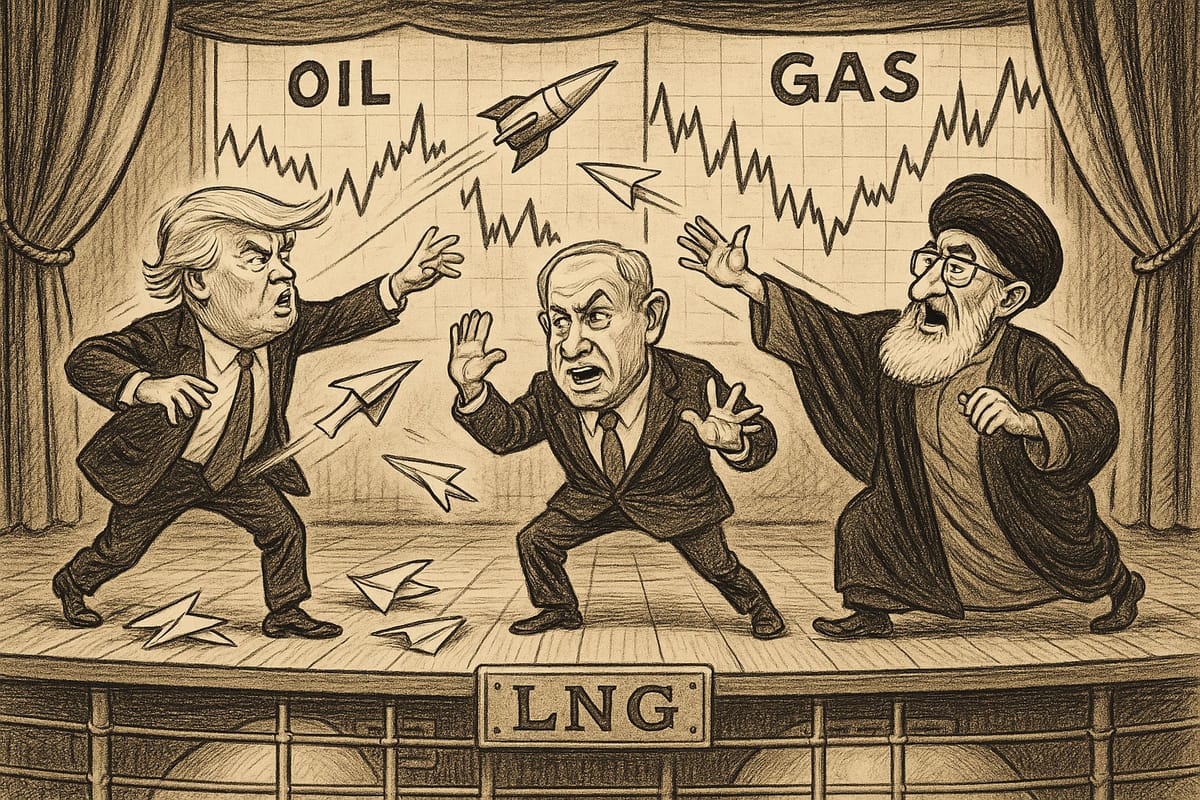
The actors are on stage, but the real play is happening in the wings, and it has nothing to do with the script they are reading.
Stop watching the performance and start looking at who is selling the tickets.