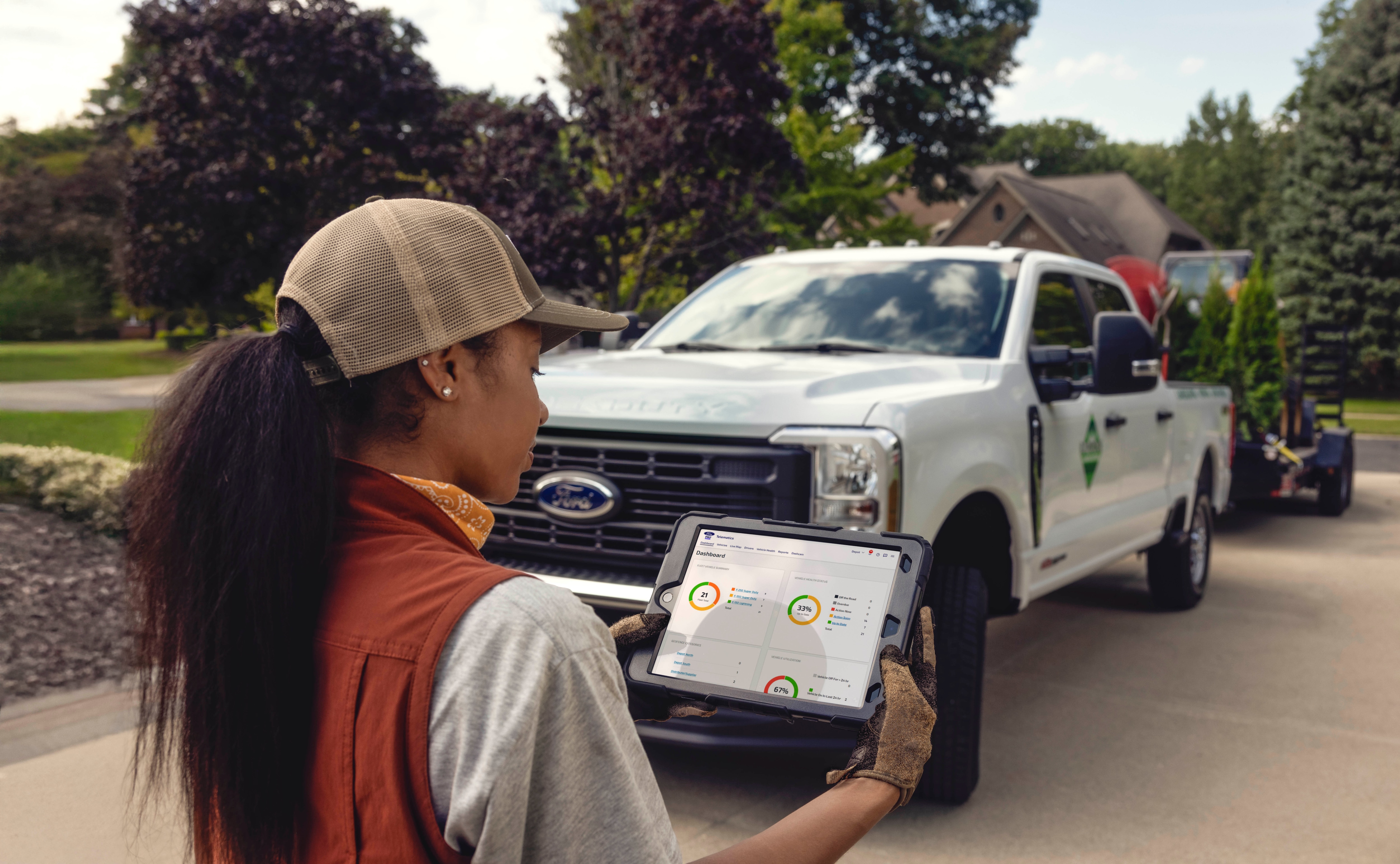
Ford isn't just a truck company anymore. While everyone's been obsessing over whether electric vehicle sales are cooling off or if the Mustang still has its soul, Ford quietly built a multibillion-dollar gold mine called Ford Pro. This isn't your grandfather’s commercial fleet department. It’s a software-heavy, high-margin machine that just got a massive brain transplant in the form of a new artificial intelligence system.
On Tuesday, March 10, 2026, Ford officially launched Ford Pro AI, a system designed to chew through more than 1 billion data points every single day. We’re talking about real-time info from hundreds of thousands of connected vans and trucks—everything from engine health and fuel consumption to whether a driver in Nebraska just unbuckled their seatbelt.
The goal? Stop pretending that selling a truck is the end of the transaction. For Ford, selling the truck is just the hook. The real money is in the software that keeps that truck on the road.
The Data Behind the Hype
If you think "AI" is just a buzzword Ford is using to goose its stock price, look at the numbers. In 2025, Ford Pro generated a staggering $66 billion in revenue. Even more impressive is the $6.8 billion in earnings (EBIT), which translates to a profit margin over 10%. To put that in perspective, that’s more than triple the margin of Ford Blue—the division that sells traditional gas-powered cars to people like you and me.
The driver of this growth isn't just selling more Transits or Super Duty pickups, though they did have record volume years in 2025. The real catalyst is software subscriptions. Ford’s paid commercial subscribers jumped 30% last year, hitting 840,000 users.
Why Fleet Managers Actually Care
Managing a fleet is a logistical nightmare. Every hour a truck sits in a repair bay, the owner loses between $500 and $1,000. Ford Pro AI addresses this by moving from "reactive" to "predictive."
- Uptime Assist: This feature has already cut repair times by 10% to 15%.
- Instant Trip Processing: Data that used to take 15 minutes to process now populates in under two minutes.
- Risk Detection: The AI monitors for "high-risk" behaviors like smoking, phone use, or distracted driving through integrated dashcams.
Moving Beyond Simple Telematics
Most people think of telematics as a GPS dots-on-a-map service. That's old school. Ford Pro AI is built on Google Cloud and acts more like a virtual consultant. It doesn't just tell you where the truck is; it tells you why the driver is taking a sub-optimal route and how much money you’re wasting on idling.
CEO Jim Farley has been vocal about this shift. He wants software and services to account for 20% of Ford Pro’s earnings. They’re getting close. By integrating things like Ford Energy (battery storage) and even co-branded credit cards with Bread Financial, Ford is creating an ecosystem that’s almost impossible for a business to leave once they’re in.
The Multi-Make Strategy
Here’s the smartest thing Ford is doing: they aren't being snobs. They know most big fleets aren't 100% Ford. Ford Pro Intelligence software works with non-Ford vehicles via plug-in devices. If you’ve got a mix of Chevy, Ram, and Ford, you can still run the whole operation through Ford’s AI dashboard. That’s a massive play for dominance in the "work" sector that competitors are struggling to match.
Is Quality the Achilles' Heel?
It’s not all sunshine and software. While Ford Pro is printing money, the company is still battling massive warranty costs. In 2025 alone, Ford recalled 12.9 million vehicles. You can have the smartest AI in the world, but if the physical hardware—the trucks themselves—keeps breaking, those high margins will get eaten alive by repair bills.
The AI is actually part of the solution here. By catching small mechanical issues before they turn into engine failures, Ford can theoretically lower its own warranty liabilities while keeping the customer happy. It’s a defensive play as much as an offensive one.
The Competitive Edge
The "Big Three" in Detroit are all racing toward software, but Ford Pro has a head start in the commercial space. While GM and Stellantis are focused on consumer tech, Ford has realized that a plumber or a delivery company is a much more reliable software subscriber than a suburban parent. A business will pay for a subscription if it saves them $5,000 a year in fuel and downtime. A regular driver? They’ll probably just cancel the "premium maps" after the free trial ends.
What You Should Do Now
If you’re running a business with more than two vehicles, the "analog" days are over. You’re leaving money on the table by not using predictive analytics.
- Audit your downtime: Look at your repair logs from the last six months. If your vehicles are sitting idle for more than 48 hours for routine fixes, your current system is failing.
- Check your modem: If you bought a Ford commercial vehicle 2020 or newer, the hardware is already there. You don’t need to install anything; you just need to turn the service on.
- Focus on "Small Tweak" gains: Don't try to overhaul your whole business overnight. Start with idling reports. Cutting idle time by just 10% across a five-vehicle fleet can save thousands in fuel costs in a single year.
Ford isn't waiting for the industry to catch up. They've built a data-hungry monster that’s already fueling the company’s transition into the next decade. Whether the hardware quality can stay high enough to support the software's ambitions is the only real question left.