In a small, drafty apartment on the outskirts of Brussels, Elara watches the stovetop. The flame is a steady, sharp blue. It is a quiet, domestic miracle that most of us take for granted until the bill arrives, or until the news from three thousand miles away turns violent. For Elara, that blue flame is no longer just a way to boil water for tea. It is a ticking clock. It is a direct link to the jagged coastline of the Eastern Mediterranean and the volatile pipelines of the Levant.
When a missile streaks across the sky in the Middle East, a ledger changes in a glass tower in London or Frankfurt. We often speak of energy markets in the abstract—"supply chains," "volatility indices," "geopolitical premiums." But the reality is much more visceral. It is the sound of a furnace kicking on in a cold November, and the simultaneous realization that the cost of that warmth is being dictated by the chaos of a conflict the average citizen can barely map.
The European Union finds itself in a desperate, familiar scramble. After the painful decoupling from Russian gas, the continent pivoted, seeking salvation in the global south and the tumultuous waters of the Middle East. It was a trade of one dependency for another. Now, as tensions between regional powers threaten to boil over, the "energy security" we thought we had bought appears as thin as a sheet of ice in late spring.
The Invisible Umbilical Cord
Europe does not live in a vacuum. It breathes through a network of undersea pipes and massive tankers that crisscross the globe. When the Strait of Hormuz or the Suez Canal becomes a theater of war, the breath hitches.
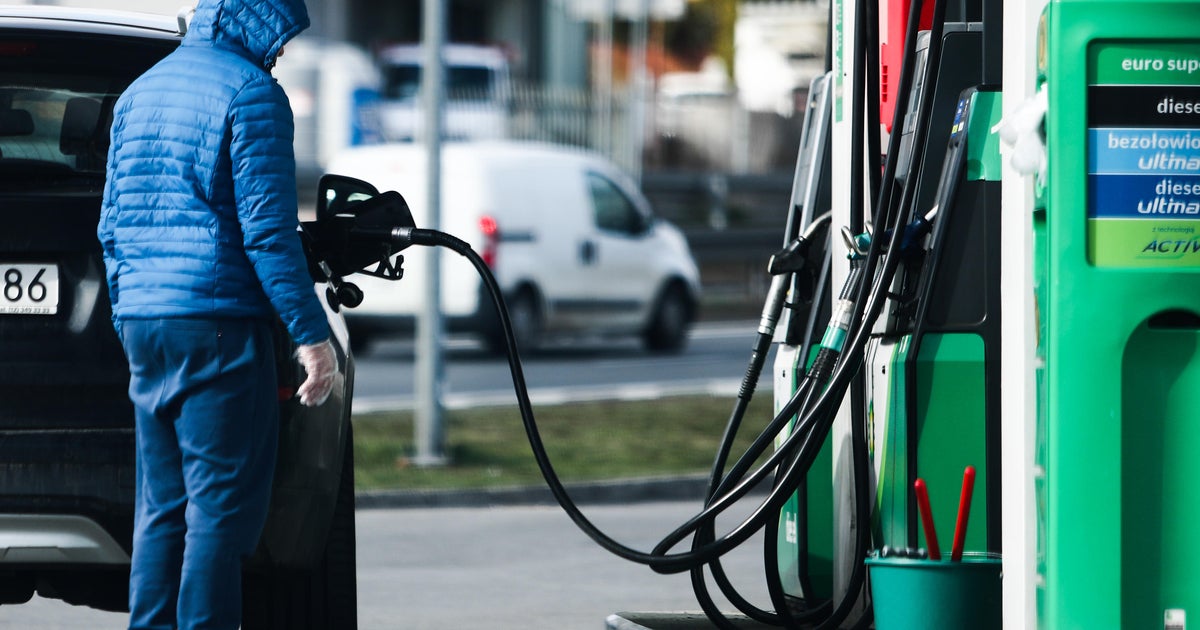
The math is brutal. Europe imports over 90% of its natural gas. While the United States sits on a sea of shale, European nations are at the mercy of the geography of others. We are currently witnessing a "risk premium" being baked into every kilowatt-hour. This isn't just about whether there is enough gas in the tanks—Europe’s storage is actually quite full for the moment—it is about the fear of what happens when those tanks start to empty and the replacements are stuck behind a naval blockade or a sabotaged terminal.
Consider the ripple effect. A single strike on a processing plant in the Gulf doesn't just raise gas prices. It raises the price of the glass in your windows, the bread on your table, and the chemicals used to keep your water clean. Energy is the foundational cost of modern life. When it spikes, everything else follows in a grim, lockstep march.
The Ghost of 2022
Policy makers in Brussels are haunted by the memory of the winter following the invasion of Ukraine. They remember the frantic meetings, the emergency price caps, and the sight of grand monuments going dark to save a few megawatts. They are determined not to let history repeat itself, yet they are fighting a ghost.
The current strategy is a frantic game of diplomatic musical chairs. One week, officials are in Qatar. The next, they are courting North African suppliers. They are trying to build a fortress out of contracts and handshakes. But you cannot sign a contract with stability. You cannot legislate away the fact that much of the world’s energy sits under soil that has known little but strife for a century.
The vulnerability is structural. We moved away from long-term, fixed-price contracts in favor of "spot markets"—buying what we need, when we need it, at the going rate. In times of peace, this was efficient. It was cheap. In times of war, it is a noose. We are paying the price for a decade of prioritizing the lowest possible cost over the highest possible resilience.
The Human Ledger
Back in that Brussels apartment, the numbers are more than statistics. To the person living on a fixed income, a 20% increase in utility costs isn't a "market adjustment." It is a choice between a new pair of shoes for a child or a warm living room in January. This is where the political danger lies.
When people feel that their basic comforts are being sacrificed to global forces they cannot control, they look for someone to blame. They look for radical solutions. The energy crisis isn't just an economic problem; it is a toxin in the body politic. It fuels the fires of populism and erodes the social contract. The "Green Deal" and the transition to renewables—noble and necessary goals—suddenly feel like distant luxuries to a voter who is worried about their immediate survival.
This is the hidden stake. The European project relies on a certain level of shared prosperity. If the lights go out, or if the cost of keeping them on becomes a crushing burden, the unity of the bloc begins to fray at the edges.
The Illusion of Control
We like to think we are in control of our destiny. We build wind farms, we install heat pumps, and we talk about "strategic autonomy." These are good things. They are the right things. But the transition takes time, and we are living in the "meantime."
The "meantime" is a dangerous place. It is the period where we are no longer fully reliant on the old world but not yet powered by the new one. In this liminal space, a single drone strike in a desert half a world away can still dictate the domestic policy of a sovereign nation.
It is a humbling reality. Despite our technology, despite our wealth, we are still bound to the earth and its volatile geography. We are still hunters and gatherers, just on a much more sophisticated scale, scouring the globe for the fuel that keeps the cold at bay.
The Sound of the Silence
The true crisis isn't found in the shouting matches on the floor of the European Parliament. It is found in the silence of a factory that has had to cut its night shift because the electricity rates are too high. It is found in the quiet anxiety of a small business owner looking at a spreadsheet and realizing the margins have vanished into thin air.
There is a specific kind of dread that comes with an invisible threat. You can't see the price of gas in the air. You only see it in the eyes of the people around you. You see it in the "For Lease" signs on the high street and the subdued atmosphere of a city trying to conserve its strength.
We are waiting. We are waiting for the next headline, the next escalation, the next "containment" measure. We are hoping that the weather remains mild and the diplomats remain persuasive. But hope is a poor substitute for a power grid.
The blue flame on Elara's stove continues to burn. It is a steady, beautiful light. But Elara knows, as we all should, that the flame is fed by a world in pain. Every flicker is a reminder that our comfort is a fragile thing, balanced on a knife's edge between two oceans, held together by nothing more than the desperate hope that tomorrow will be quieter than today.
The storm is coming, and it has no interest in our spreadsheets. It only knows the cold.
Would you like me to analyze how specific European countries are diverging in their energy strategies to handle this Middle Eastern volatility?