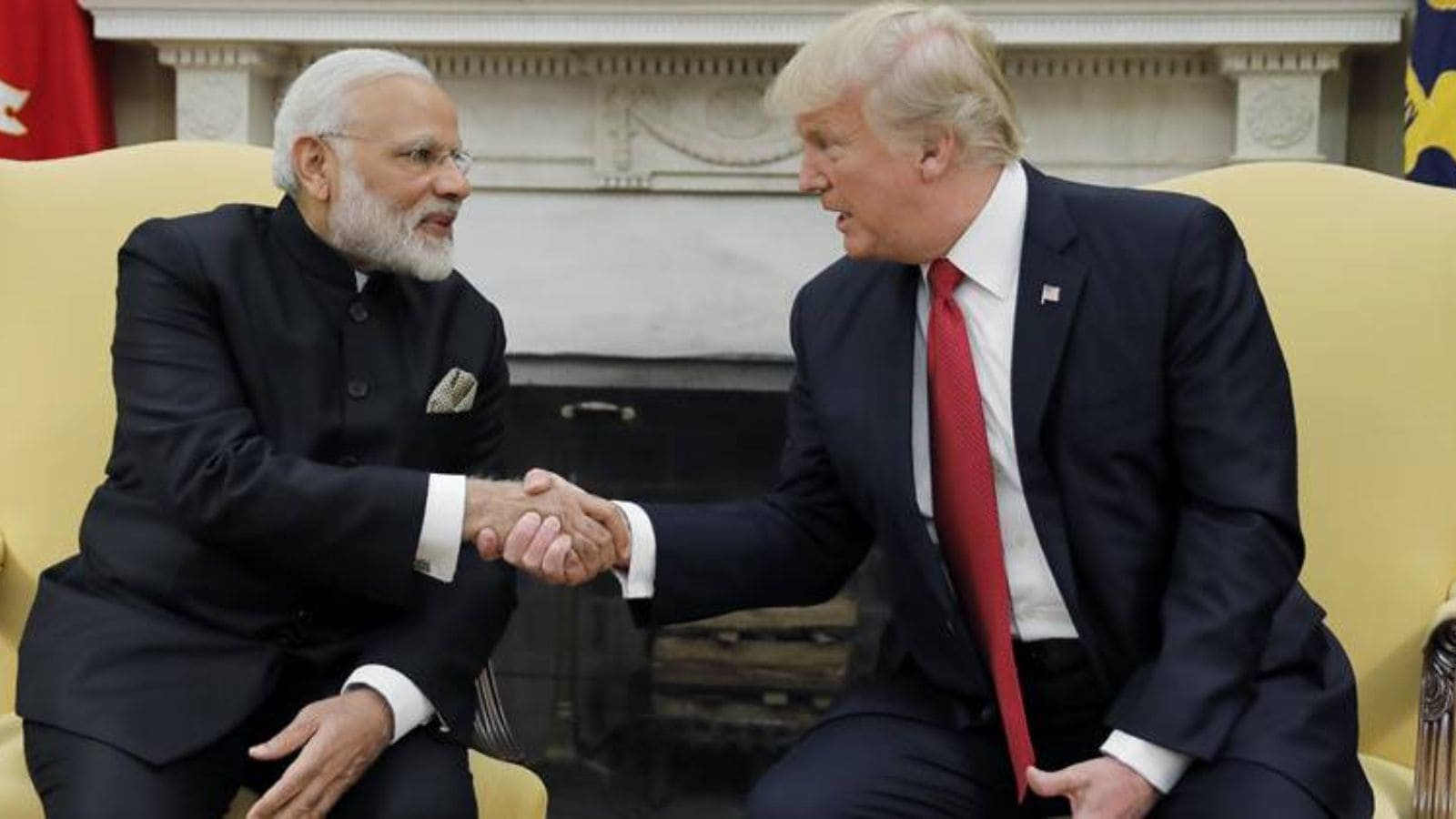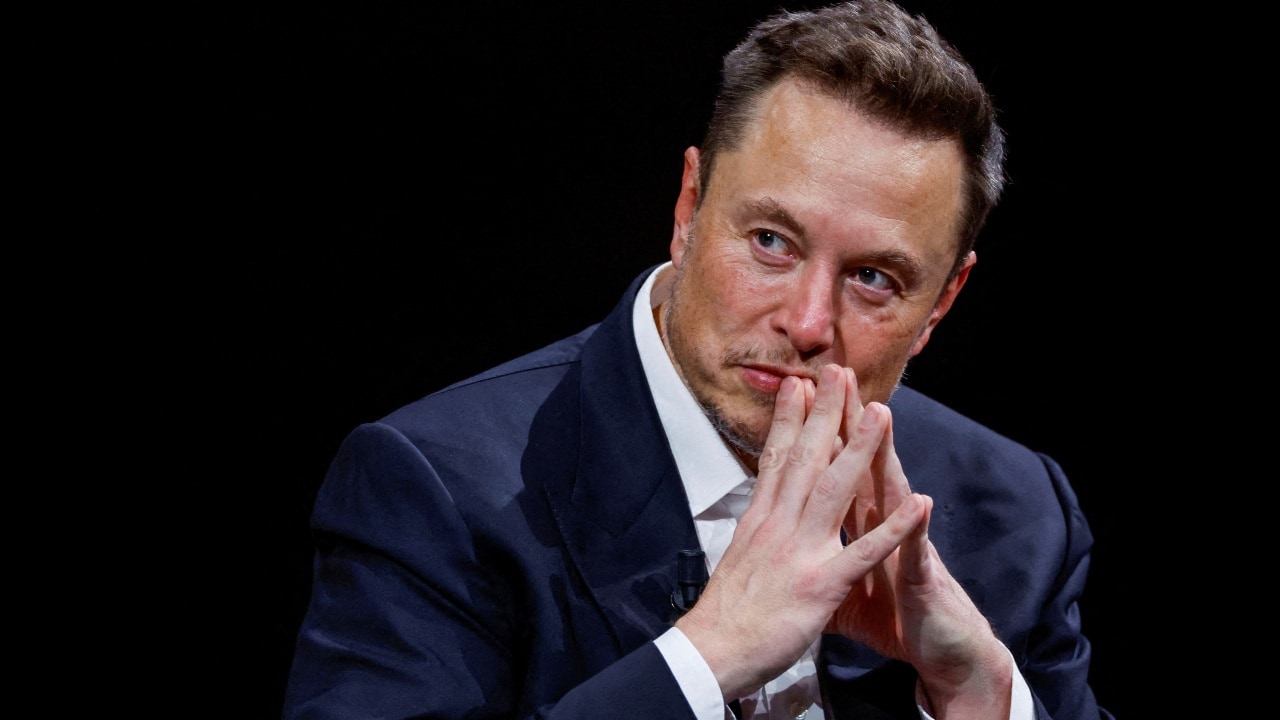
Elon Musk recently joined a high-stakes wartime phone call between US President Donald Trump and Indian Prime Minister Narendra Modi. This wasn't a casual drop-in or a technical consultation. According to reports from the New York Times and subsequent confirmations by US officials, the billionaire was a silent or near-silent participant in a discussion centered on the escalating Iran crisis and the potential closure of the Strait of Hormuz. His presence on a call between two heads of state during a period of active military hostility—specifically following the February 28 strikes on Iranian facilities—signals a breakdown of the traditional firewall between private enterprise and sovereign diplomacy.
The official readouts from Washington and New Delhi conveniently omitted Musk’s name. They focused on the "productive" nature of the talks and a shared commitment to keeping global energy lanes open. However, the reality is that a private citizen with no current government title was privy to sensitive national security deliberations. This isn't just a breach of protocol; it is the formalization of a new power dynamic where the world's wealthiest individual acts as a freelance diplomat with interests that often overlap, or conflict, with the nations involved.
The Architect of the Invisible Bridge
To understand why Musk was on that call, one has to look past the "why" of the war and into the "how" of the logistics. Musk isn't just an interested observer; he is a primary stakeholder in the stability of the Middle East and the economic trajectory of India. His companies, particularly SpaceX and X, have deep ties to West Asian sovereign wealth funds in countries like Saudi Arabia and Qatar. Any disruption to the Strait of Hormuz, a critical energy chokepoint, would not just hit global oil prices; it would roil the very markets that determine the success of SpaceX's rumored IPO scheduled for later this year.
This participation follows a period of friction between Trump and Musk. After a stint as a "special government employee" tasked with trimming the federal workforce—a role that reportedly alienated several senior aides—Musk exited the inner circle last year. The Tuesday call between Trump and Modi suggests that the relationship has not only been repaired but has evolved into something far more potent. He is no longer a consultant; he is an associate who sits at the table when the world’s most powerful leaders are mapping out the next moves of a global conflict.
Why India is the New Prize
The timing of Musk’s inclusion is particularly telling for India. In mid-2025, Prime Minister Modi opened the doors to India's space economy for private players. This led to Starlink securing final regulatory approvals to begin operations in India by early 2026. The satellite internet provider is not just looking for a new market; it is looking for an insurance policy.
- Market Scale: India is projected by the IMF to contribute 17% of global real GDP growth in 2026.
- Strategic Leverage: Starlink's plan involves building at least 10 satellite gateways across India, a footprint triple that of rivals like Reliance Jio's Space Fibre.
- Defense Implications: In a wartime scenario involving Iran, the ability to maintain secure, non-terrestrial communication channels is invaluable.
By participating in a call between Trump and Modi, Musk is effectively embedding his commercial interests into the national security architecture of both countries. If the US and India are coordinating on regional stability, they are also implicitly coordinating on the infrastructure that ensures that stability.
Diplomacy by Proxy
The inclusion of a private citizen in a wartime call is a move reminiscent of Jared Kushner’s role in Middle Eastern negotiations during Trump's first term. However, the stakes are different. Kushner was family; Musk is a conglomerate. When Musk hears about the "Strait of Trump" or a five-day pause on strikes, he isn't just listening to policy; he is receiving high-level market intelligence that directly impacts the valuation of his enterprises.
It raises a fundamental question of accountability. If a private individual is present during a discussion on potential US strikes on Iranian energy installations, who is to ensure that this information isn't used to safeguard personal investments or influence private negotiations with West Asian sovereign funds? The White House has remained silent on the specifics of Musk's participation, with Press Secretary Karoline Leavitt only emphasizing the "great relationship" between Trump and Modi.
The India Starlink Play
India’s Ministry of Home Affairs has previously flagged security concerns regarding Starlink terminals in sensitive border regions. There were criticisms about a lack of cooperation in sharing data details. Yet, here is the owner of that very company, side-stepping the bureaucracy of the Department of Telecommunications and the Ministry of External Affairs, and speaking directly—or at least listening directly—to the Prime Minister and the President.
This "shortcut" diplomacy is the new standard. It renders traditional diplomatic channels nearly obsolete. While External Affairs Minister S. Jaishankar and Secretary of State Marco Rubio discuss energy security through established protocols, the real decisions are being made on a three-way call where the line between a CEO's ambition and a nation's interest is blurred beyond recognition.
A New Precedent for Global Conflict
The Iran war, which triggered after the February 28 strikes, has already roiled global markets. Musk’s presence on the call indicates that he is being positioned as a technical and strategic asset for the US-India alliance. Whether it’s providing satellite imagery via SpaceX or managing the information flow on X, the billionaire has tools that the US government sometimes finds more efficient than its own.
But this efficiency comes at a cost. The presence of a private citizen in these calls suggests a move toward a "corporate-state" model of foreign policy. In this model, the interests of a global tech giant are treated with the same weight as a sovereign ally. Musk has already been vocal on X about the "changing balance of power," citing IMF data that places India and China as the primary drivers of global growth in 2026. He is positioning himself to be the bridge between these emerging powers and a resurgent, transactional US administration.
The Strait of Hormuz remains the central piece of this puzzle. As India and the US align on keeping the waterway "open, secure and accessible," they are also aligning on a world where a handful of private individuals hold the keys to communication, transport, and energy intelligence. This isn't just about a phone call. It is about the dawn of an era where a billionaire’s portfolio is indistinguishable from a country's national security strategy.
You should consider how the upcoming Starlink launch in Mumbai and the expansion of Tesla showrooms in India will further entrench this private-public partnership before the 2026 fiscal year concludes.