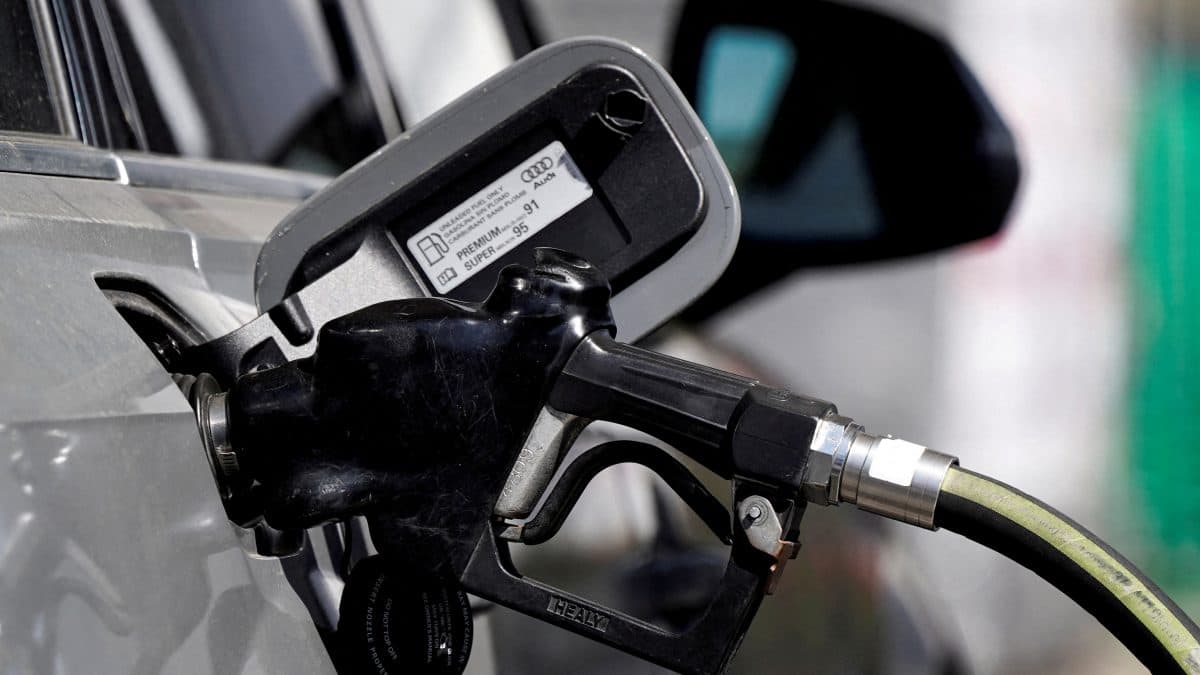
The American economy runs on a compression-ignition cycle that most consumers never think about until the bill for a head of lettuce doubles. This week, that bill arrived. As the national average for retail diesel pierced the $5 per gallon mark for only the second time in history, the shockwaves traveled far beyond the truck stop. While the headlines focus on the explosive military theater in West Asia, the reality is a much more surgical strangulation of the global energy supply chain.
This isn't just a story about expensive fuel. It is a story about the structural failure of global refining and the vulnerability of a "just-in-time" logistics world. When the US-Israeli conflict with Iran escalated into a direct assault on energy infrastructure three weeks ago, it didn't just move the price of crude; it paralyzed the specific arteries that produce the world’s industrial workhorse fuel.
The Hormuz Stranglehold and the Crude Quality Gap
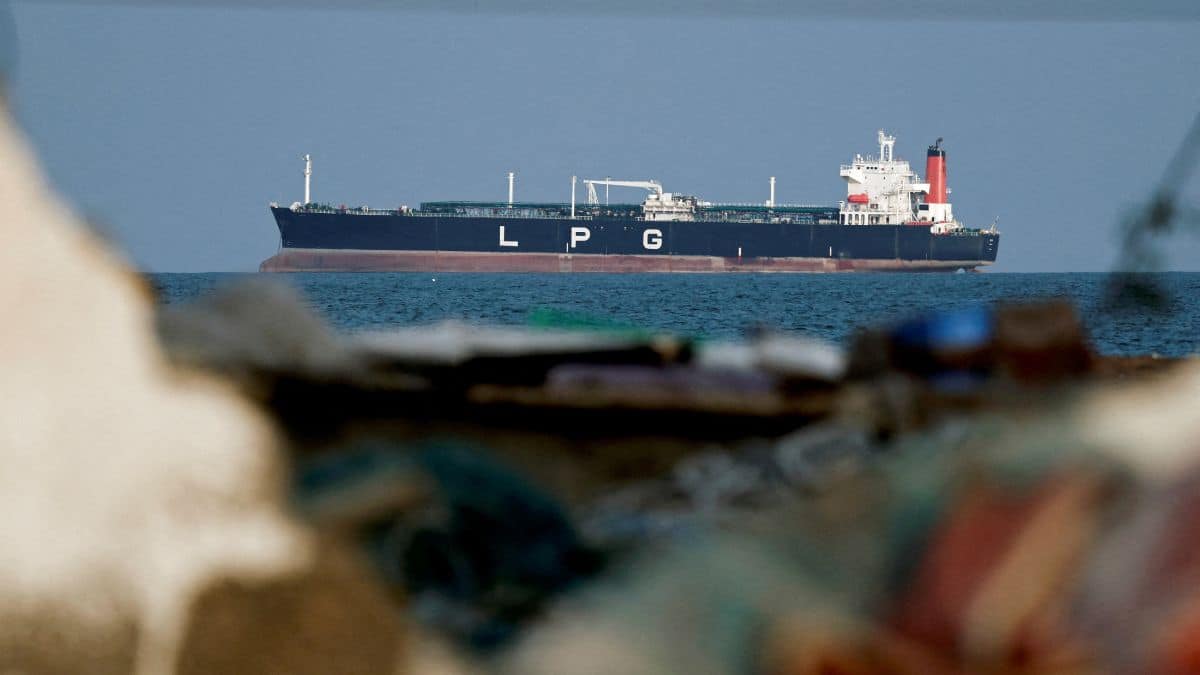
The closure of the Strait of Hormuz is often discussed in abstract percentages—20% of global oil, 15% of gas—but the diesel crisis is driven by the type of oil currently trapped behind the blockade. The Middle East is the primary source of "medium sour" crude. This specific grade is the gold standard for diesel production.
When refiners in India and South Korea—who supply a massive portion of the global refined product pool—lose access to this feedstock, they cannot simply swap it for light, sweet US shale oil. The yields are different. A refinery optimized for Iraqi or Kuwaiti crude produces a high percentage of middle distillates (diesel and jet fuel). Forcing US light crude through those same towers results in more gasoline and naphtha, leaving a massive deficit in the global diesel pool.
Current estimates suggest that 6 million barrels per day of refining capacity across Asia is now facing imminent "run cuts." These facilities are the backstop for the US East and West Coasts. Without their exports, domestic inventories that were already at decade-lows for the month of March have nowhere to go but down.
Why the Strategic Petroleum Reserve is the Wrong Tool
There is a growing frustration in Washington as the administration’s release of emergency reserves fails to move the needle at the pump. The reason is simple: the Strategic Petroleum Reserve (SPR) is a crude oil warehouse, not a gas station.
Releasing millions of barrels of crude oil into a market where refineries are already running at 95% capacity or are physically cut off from export routes is like giving a starving man a field of unharvested wheat. You cannot pour crude oil into a semi-truck.
- Refinery Bottlenecks: US refining capacity has shrunk significantly since 2020. Even with record crude production in the Permian Basin, we lack the "kitchen space" to cook that crude into diesel fast enough to offset the loss of Middle Eastern refined imports.
- Logistical Friction: Moving fuel from the Gulf Coast to the Northeast without foreign-flagged vessels (due to the Jones Act) remains a perennial, expensive hurdle that keeps regional prices localized at painful highs.
In California, the pain is even more acute. Prices there have already surged past $5.20 per gallon, driven by a combination of geographic isolation and the highest fuel taxes in the country. It is a localized version of the global crisis: when you have no spare capacity, any disruption becomes a catastrophe.
The Invisible Tax on Everything
We are witnessing a massive, regressive tax on the global consumer. Diesel is the primary input for the three pillars of modern life: agriculture, manufacturing, and shipping.
When a long-haul trucker pays $1,500 to fill a 300-gallon tank—up from $900 just a month ago—that cost is not absorbed by the trucking company. It is passed to the retailer, who passes it to the shopper. We are already seeing the "surcharge creep" in LTL (less-than-truckload) shipping rates, which have spiked 18% since the start of the month.
Central banks, including the Federal Reserve, are now in an impossible corner. They have spent two years trying to anchor inflation expectations at 2%. A sustained $5 diesel environment adds roughly 60 basis points to headline inflation almost instantly. If the Strait remains a no-go zone through April, the "transitory" narrative for this energy spike will vanish, likely forcing the Fed to pause planned rate cuts despite a softening labor market.
A Systemic Lack of Slack
The brutal truth is that the global energy system has no margin for error. For years, environmental policy and ESG-driven investment shifts have discouraged the construction of new refineries in the West. We traded domestic resilience for cheaper, outsourced refining in Asia and the Middle East.
Now, with a hot war in the very backyard of those refineries, the bill has come due. The US is currently "self-sufficient" in crude production on paper, but we are a hostage to global pricing and global refining.
The immediate outlook depends entirely on the "unconditional surrender" rhetoric currently defining the West Asia conflict. If the blockade persists, we aren't just looking at $5 diesel; we are looking at a fundamental reordering of global trade where the cost of moving goods becomes the primary barrier to economic growth.
There are no quick fixes. You cannot build a refinery in a month, and you cannot bypass the Strait of Hormuz with a tweet. The market is now pricing in a world where energy is no longer a cheap, invisible utility, but a scarce, geopolitical weapon.