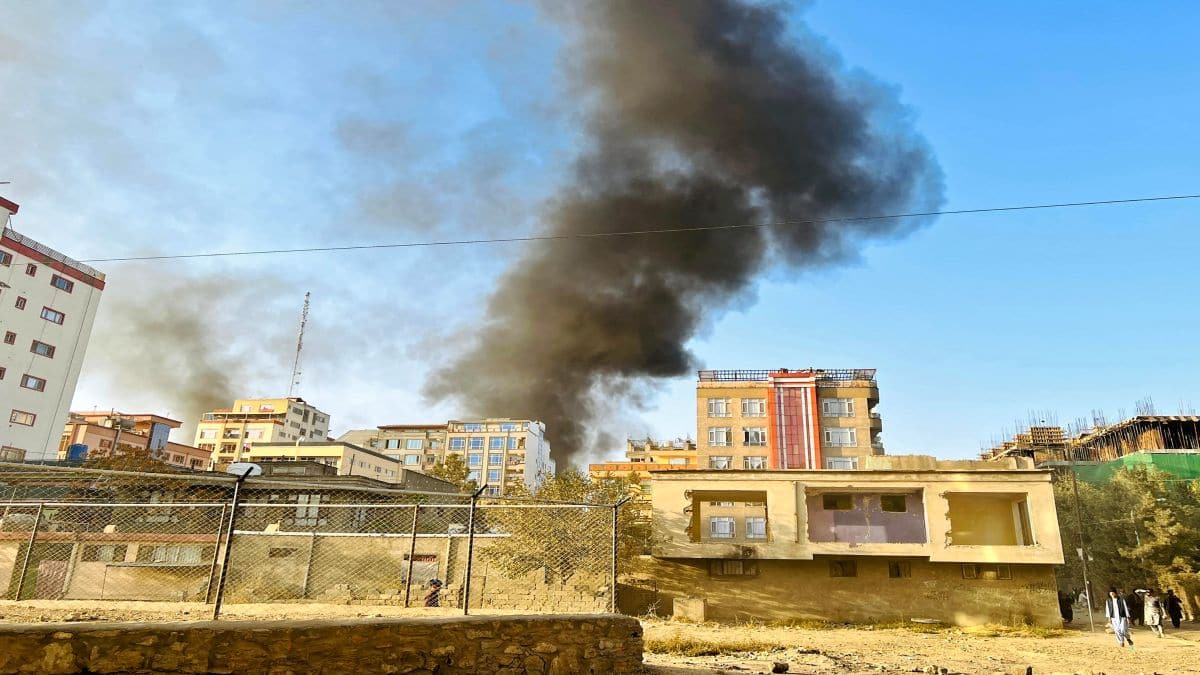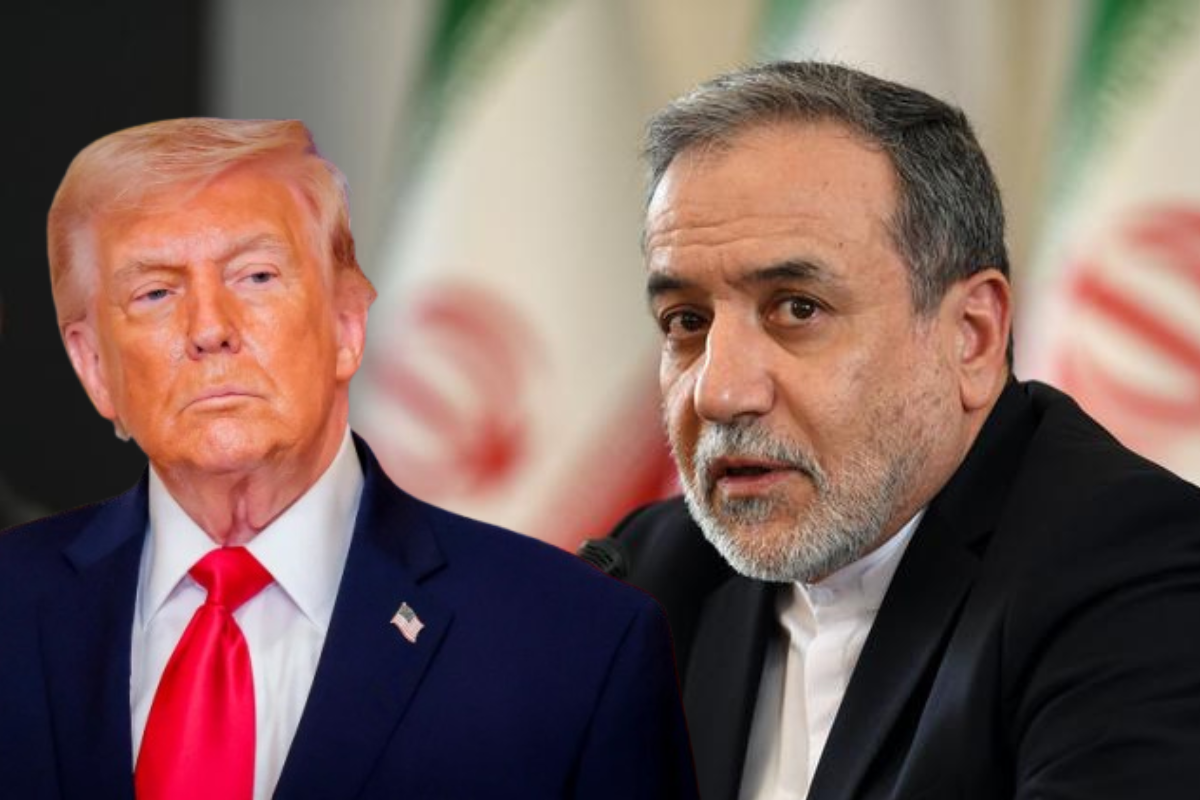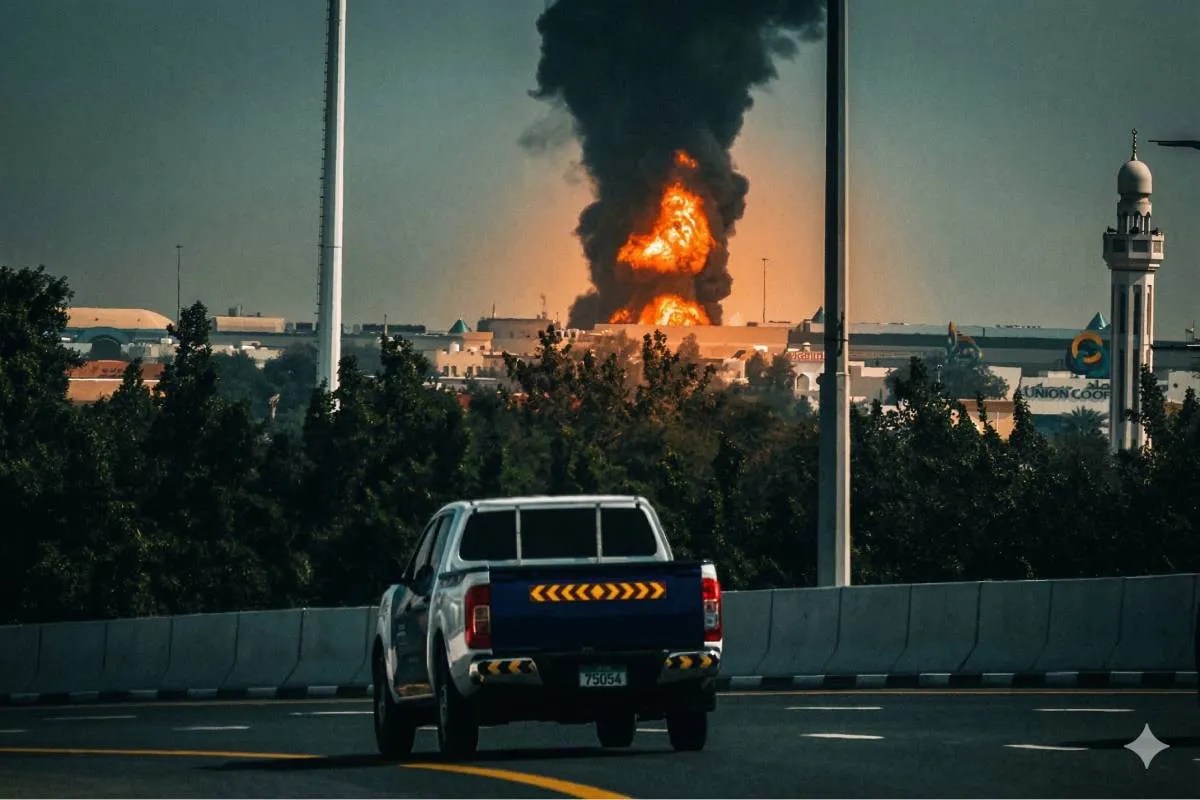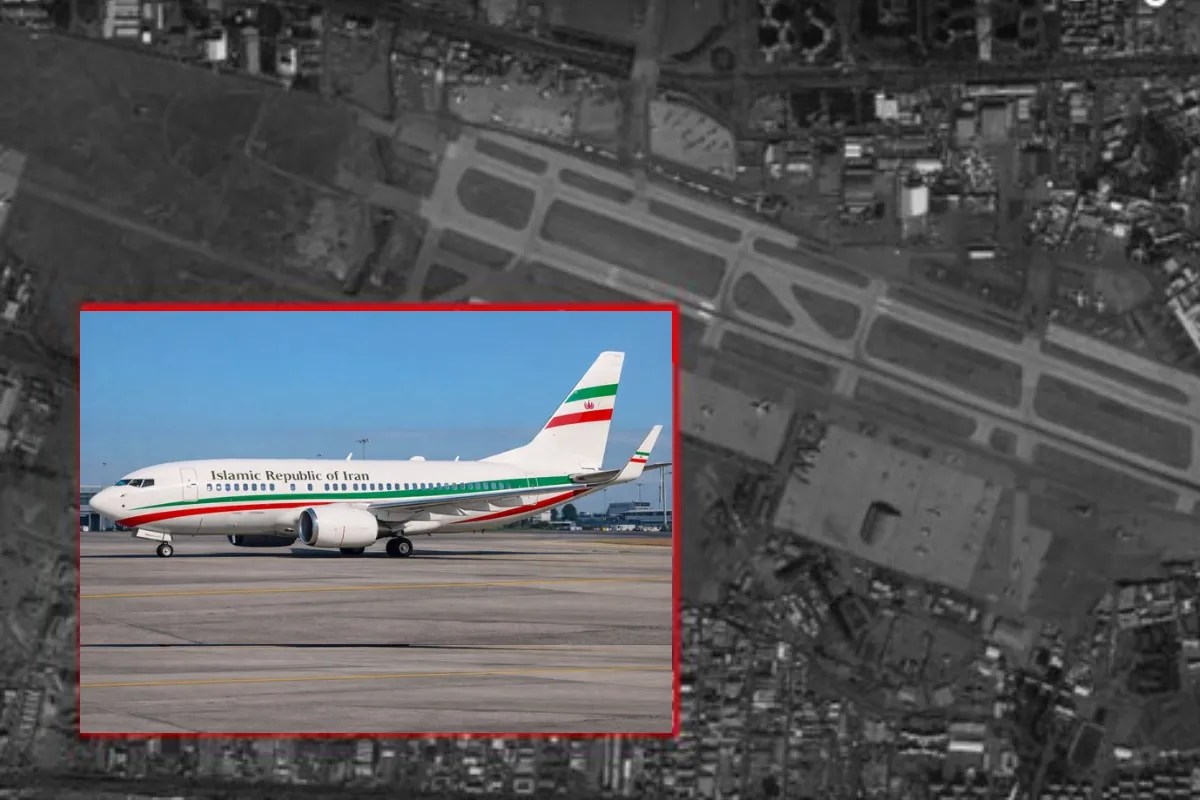
The destruction of a specialized aircraft utilized by Iran’s senior leadership represents more than a tactical loss of hardware; it is a calculated disruption of the command-and-control (C2) architecture governing regional proxy operations. In high-stakes asymmetric warfare, the platform carrying a leader is often as critical as the leader themselves. By neutralizing a specific asset known for transporting high-value targets (HVTs) and sensitive hardware, Israel has signaled a transition from passive containment to the active dismantling of Iranian logistical mobility.
The Strategic Value of Elite Mobility
The efficacy of the "Axis of Resistance" relies on the frictionless movement of advisors, commanders, and specialized technical components between Tehran, Damascus, and Beirut. This mobility is facilitated by a small fleet of aircraft that operate under the radar of standard commercial oversight but possess the range and reliability required for cross-border shuttle diplomacy.
The neutralization of such an aircraft creates a Force Multiplication Deficit. When leadership can no longer rely on secure, rapid transit, three immediate degradations occur:
- Decision Latency: Commanders must revert to slower, less secure methods of travel or rely on digital communication channels that are heavily monitored by SIGINT (Signals Intelligence). This increases the time between a strategic directive and its tactical execution.
- Operational Risk Concentration: With fewer "safe" hulls available, senior personnel are forced to aggregate on remaining assets, creating a target-rich environment for future kinetic actions.
- Psychological Paralyzation: The realization that specific, supposedly "invisible" logistics chains are compromised forces a total audit of internal security, diverting resources away from offensive planning.
The Intelligence-Kinetic Loop: How the Strike Was Possible
A kinetic strike on a moving, high-profile asset is the final 1% of a massive intelligence operation. To successfully intercept an aircraft used by top leadership, an actor must master the Intelligence-Kinetic Loop, which consists of four distinct phases:
Phase 1: Pattern Recognition and Signature Analysis
Every aircraft has a signature. This is not merely the radar cross-section (RCS) or the transponder code, but the behavioral pattern of the airframe. Analysts track which hangars the plane visits, which ground crews service it, and the specific "handshake" it makes with regional air traffic control. By mapping these variables over months, the intercepting force identifies a window of vulnerability.
Phase 2: Human Intelligence (HUMINT) Integration
Electronic tracking alone is insufficient for a high-confidence strike. To confirm that "Top Leadership" is actually on board, an actor requires ground-level confirmation. This involves monitoring the movements of motorcades, the closure of specific airport terminals, and the deployment of elite security details. The strike is only authorized when the digital signature (the plane) matches the physical presence (the leader).
Phase 3: Airspace Penetration and EW Superiority
Israel’s ability to strike deep into sensitive zones suggests a total or near-total dominance of Electronic Warfare (EW). Neutralizing the aircraft requires blinding local S-300 or Khordad-15 air defense batteries through "spoofing" or saturation. If the aircraft was destroyed on the ground, it indicates a failure of the "inner sanctum" security—a breach of the physical perimeter.
Phase 4: The Kinetic Event
Whether via a stand-off missile (like the Rampage or Blue Sparrow) or a loitering munition, the strike must be surgical. Collateral damage must be minimized to maintain international diplomatic leverage, while ensuring the total destruction of the primary asset to prevent the recovery of sensitive documents or encryption hardware.
The Technical Bottleneck: Why Replacing This Asset is Non-Trivial
A common misconception in regional reporting is that a nation-state can simply "buy another plane." For a sanctioned entity like Iran, the loss of a reliable, long-range aircraft configured for high-level transport is a structural setback.
- Avionics and Hardening: Leadership aircraft are often retrofitted with secure communication suites and potentially DIRCM (Directional Infrared Counter Measures) to ward off MANPADS. These systems are not off-the-shelf components.
- Sanction Barriers: Iran cannot openly purchase modern Boeing or Airbus frames. They rely on "shadow fleets" and complex shell company transactions to acquire spare parts. Losing a proven airframe means starting the acquisition cycle over in an environment of heightened scrutiny.
- The Trust Gap: Every new airframe introduced into the leadership fleet is a potential Trojan horse. The Iranian Revolutionary Guard Corps (IRGC) must now vet every technician and every component of a replacement aircraft, fearing Israeli sabotage at the point of origin.
The Geopolitical Cost Function
To understand the weight of this event, one must apply a cost-benefit analysis to Iran’s regional strategy. The cost of maintaining the "Land Bridge" to the Mediterranean is rising.
Variable 1: The Attrition of Expertise
While hardware is replaceable, the personnel typically found on these flights—experienced generals, logistics masterminds, and liaison officers—represent decades of institutional memory. Their removal creates a vacuum that junior officers, often less experienced in high-level diplomacy, must fill.
Variable 2: The Deterrence Threshold
Israel is communicating that no layer of Iranian sovereignty is absolute. By targeting a leadership-specific asset, they are bypassing the "rank and file" of the proxy war and aiming directly at the architects. This shifts the risk profile for Iranian decision-makers: the war is no longer something fought by others in Yemen or Lebanon; it is something that can reach them in the air between Tehran and Damascus.
Analyzing the Response: Strategic Constraints
Iran’s response to such a strike is constrained by a mathematical reality. A direct escalation risks a full-scale war that their current economic state cannot sustain, while no response signals weakness to their proxies.
The most likely outcome is a Dispersal Strategy:
- Decentralization of Command: Expect the IRGC to move away from centralized leadership flights in favor of smaller, more frequent, and more clandestine movements.
- Increased Reliance on Ground Transit: Shifting to land-based convoys, though slower, allows for better concealment under the "noise" of civilian traffic, though this introduces risks from local insurgent groups and IEDs.
- Retaliatory Cyber Operations: Since a physical kinetic response is high-risk, Iran often pivots to low-cost, high-visibility cyberattacks on Israeli civilian infrastructure to "balance" the optics of the conflict.
The neutralization of this aircraft is a signal that the theater of operations has moved into a "Grey Zone" where the distinction between logistics and combat has blurred. The primary objective was not the destruction of metal and fuel, but the destruction of the Iranian leadership's sense of "secure distance."
The strategic move for regional observers is to monitor the subsequent reshuffling of IRGC personnel. The speed—or lack thereof—at which Iran replaces its high-level shuttle service will be the definitive metric of their current operational resilience. If the flights cease for an extended period, it indicates a deep-seated compromise of their logistical security protocols that may take years to remediate.