The air in Northern California usually carries the scent of sun-baked pine and the low, mechanical hum of weekend chores. It is a predictable rhythm. It is the sound of leaf blowers, the smell of fresh mulch, and the sight of men in neon vests moving with a practiced, rhythmic efficiency across suburban plots. We don't often look at them. We hear the mower, we see the green grass, and we carry on with our coffee.
Then the silence breaks. Not with the end of a workday, but with the sharp, incongruous crack of gunfire.
In an instant, the mundane reality of a Tuesday morning in a quiet neighborhood transforms. The "landscaper" isn't just a figure in the distance anymore. He becomes a name, a life, and eventually, a statistic in a police report. But before the yellow tape and the cold press releases, there was a man holding a line trimmer, thinking about his next job, his family, or perhaps just the heat of the sun on his neck.
The Friction of the Ordinary
Violence in the suburbs often feels like a glitch in the software of our lives. We expect it in cinema; we brace for it in the dark corners of distant cities. We do not expect it over the property line. We do not expect it to erupt between a man trying to earn a living and a man sitting in his home.
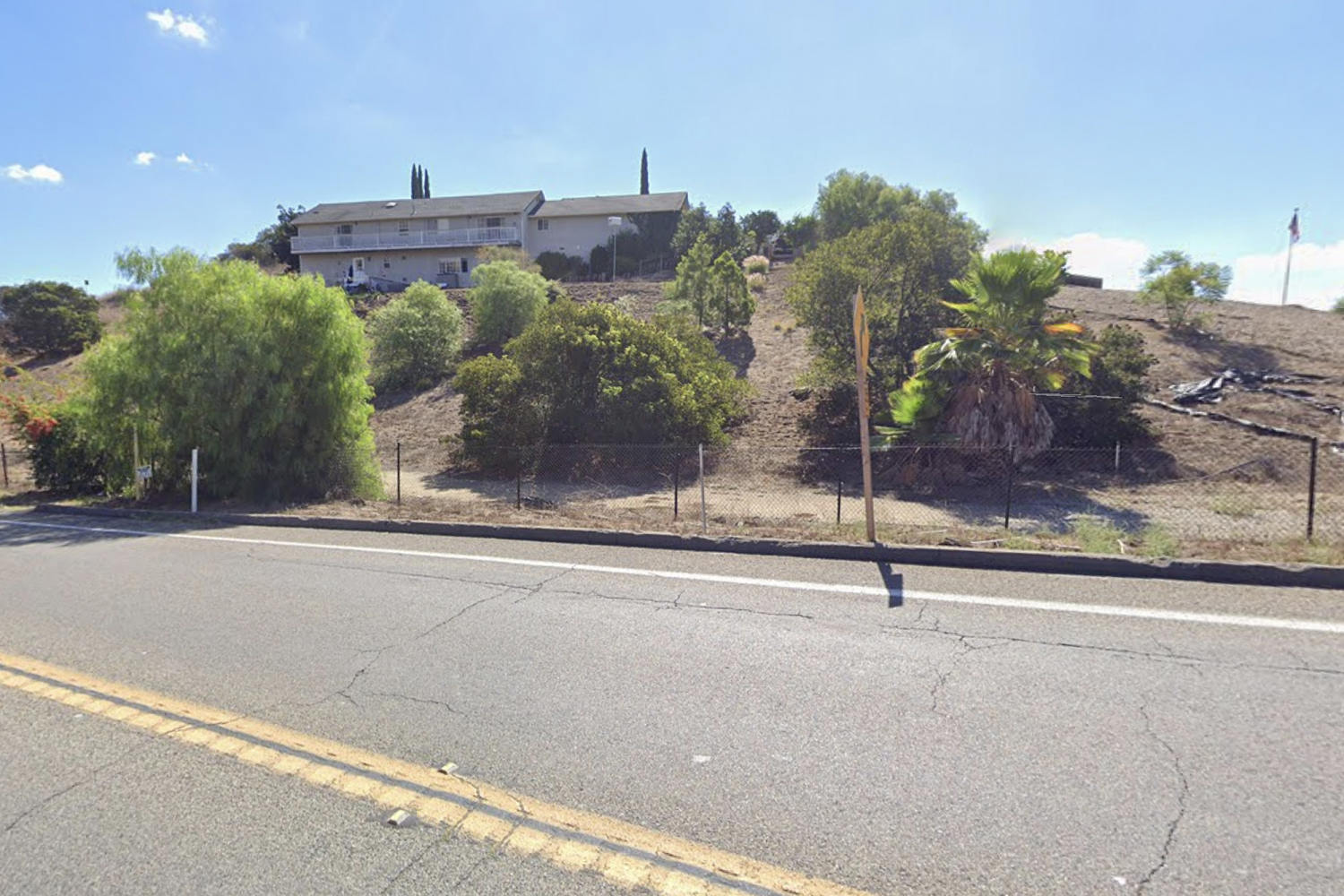
The facts of the case are as jagged as a broken blade. A 48-year-old man, a professional tending to the earth, was shot and killed while working. The suspect, later identified as a local resident, was taken into custody after a standoff that felt more like a movie set than a residential street.
Why?
The "why" is usually where the dry news reports stop. They give us the charges: murder. They give us the location. They give us the booking photo of a man looking dazed or defiant. What they miss is the invisible tension that precedes the trigger. It is the friction of modern existence, where the smallest perceived slights—a mower's noise, a truck parked too close to a driveway, a stray clipping—can become the fuel for an unthinkable fire.
The Ghost in the Garden
Consider the perspective of the man behind the mower. To the world, he is "the landscaper." It is a functional title, one that strips away the personhood. In reality, he was likely the backbone of a household. He was the person who knew the specific temperament of every lawn on the block. He knew which gates stuck and which dogs barked.
To do that work, you have to be invisible and omnipresent at the same time. You are part of the scenery. When that scenery is suddenly violated by violence, it sends a tremor through the entire community. It suggests that no amount of honest labor can protect you from the unpredictability of another person's rage.
The suspect, now facing the weight of the California legal system, represents a different kind of tragedy. It is the tragedy of the "quiet neighbor." Neighbors often speak in hushed tones after these events, using phrases like "kept to himself" or "seemed normal enough."
But "normal" is a thin veil.
Beneath it, there are often grievances that have curdled over time. When police surrounded the home in the aftermath of the shooting, they weren't just looking for a man with a gun. They were stepping into the wreckage of a life that had completely detached from the social contract. The standoff lasted hours. It was a slow-motion collapse of a neighborhood's sense of safety.
The Mechanics of the Aftermath
When a life is taken in such a public, yet personal space, the ripples move fast.
First, there is the immediate shock. The neighbors who heard the shots but thought they were firecrackers. Then, the realization. The sight of the mower still sitting on the grass, its engine cold, its operator gone.
Then comes the legal machinery. In California, a murder charge involving a firearm brings with it a litany of enhancements and a trajectory toward life in a concrete cell. The prosecutors will talk about intent. The defense might talk about mental state or a sudden heat of passion. But for the family of the man in the neon vest, none of those words have any heat. They don't fill the silence at the dinner table.
We often talk about these incidents as "isolated." We want them to be isolated. If they are isolated, we can go back to our coffee and our own quiet lawns. But when a worker is killed while performing the most basic of tasks—beautifying a space—it forces a question about the value we place on the people who serve our communities.
The Invisible Stakes
There is a psychological cost to this kind of news. It changes how we look at the person trimming our hedges. It changes how we feel when we hear a loud noise outside. It erodes the thin layer of trust that allows us to live side-by-side with strangers.
The "human element" isn't just about the victim and the perpetrator. It is about the witness who can't unsee the moment. It is about the police officer who has to knock on a door and tell a woman her husband isn't coming home because of a dispute over a yard.
It is about the terrifying brevity of life.
One moment, you are checking the fuel levels in your equipment. You are thinking about the weekend. You are thinking about the bills. The next, you are the subject of a headline that people will scroll past in thirty seconds.
The suspect sits in a cell, perhaps finally realizing that the grievance he felt—whatever it was—was not worth the erasure of two lives. Because that is what happens. One life ends, and the other is effectively over, consumed by the legal system and the weight of what was done.
The Long Shadow
As the sun sets over California, the yellow tape eventually comes down. The sirens fade. The news trucks move on to the next tragedy. The lawn, however, remains. It continues to grow, indifferent to the blood that was spilled or the lives that were shattered.
We want to believe there is a lesson here. We want to believe that if we are just a little kinder, or a little more patient, these things won't happen. But the reality is more jagged. The reality is that we live in a world where the mundane can turn lethal in the blink of an eye.
The landscaper’s truck is eventually towed away. The equipment is packed up by coworkers who move with a heavy, haunted slowness. They have to go to the next house. The grass doesn't stop growing just because a heart stopped beating.
They pull the cord. The engine roars to life. The hum returns to the neighborhood, masking the silence of the man who is no longer there to hear it.