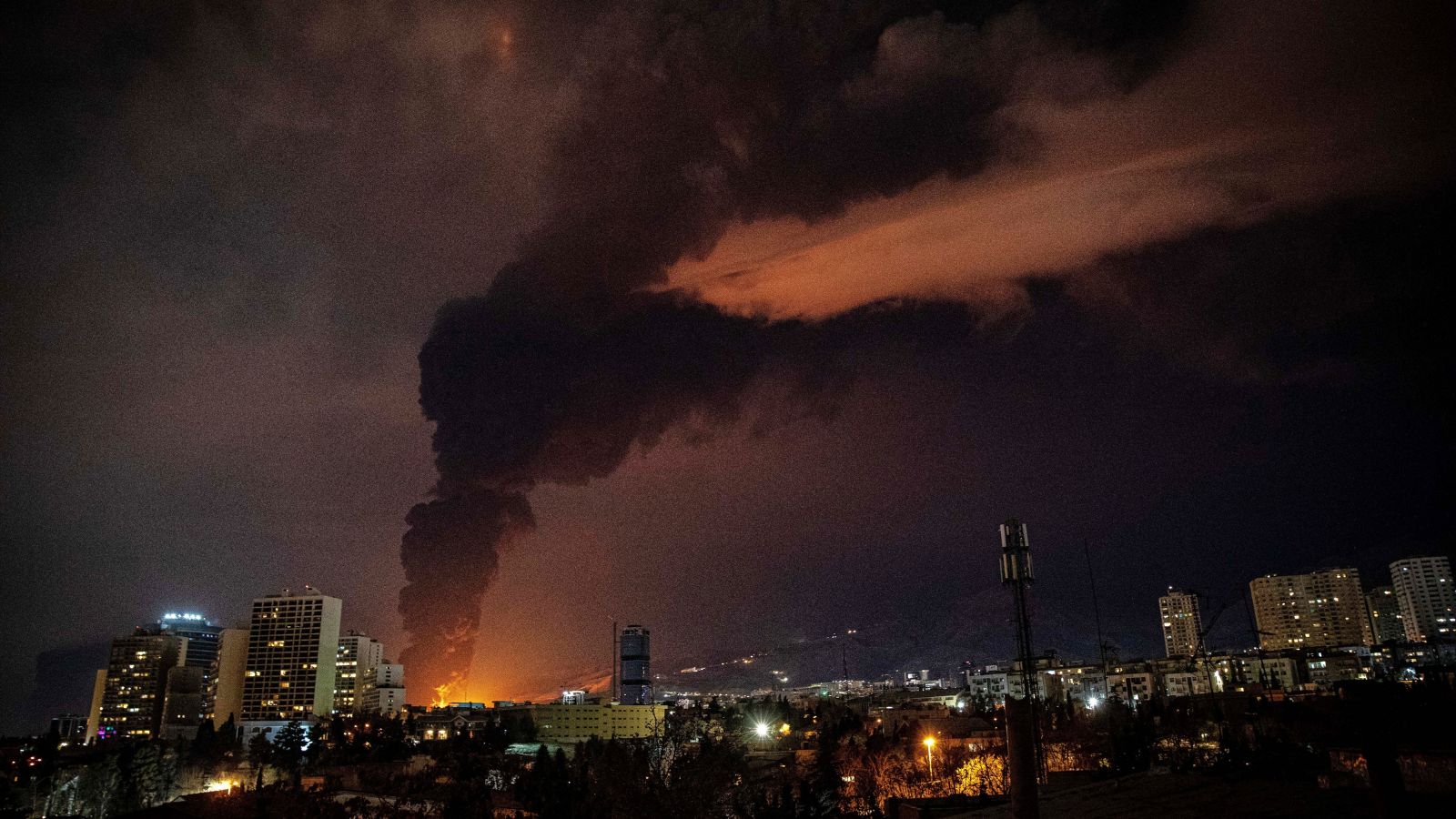
The U.S. military just put a bullseye on Kharg Island, and the world is holding its breath. For decades, this tiny speck of land in the Persian Gulf has been the jugular of Iran's economy. It handles about 90% of the country’s crude exports. Most of that oil is headed straight to China. On March 14, 2026, U.S. Central Command confirmed precision strikes on military targets across the island. President Trump called it the "crown jewel" of Iran's assets. While the oil terminals themselves haven't been leveled yet, the message is clear: the U.S. can turn off Iran’s taps whenever it wants.
If you’re watching the news, you’ve heard the panic. People think this is the end for the Chinese economy. They assume a massive supply shock will cripple Beijing. Honestly, they’re probably wrong. China isn’t the same country it was twenty years ago. It has spent the last two decades building a massive wall against exactly this kind of geopolitical disaster.
The Crude Reality of China's Energy Lifeline
To understand the stakes, look at the numbers. Iran is currently shipping between 1.1 million and 1.5 million barrels of oil per day. Almost all of it goes to China, specifically to the "teapot" refiners in Shandong province. These small, independent players thrive on the deep discounts Iran offers to bypass sanctions. For them, Kharg Island isn't just a port; it's the reason they stay profitable.
Iranian oil makes up roughly 12% of China's seaborne imports. If the U.S. moves from striking bunkers to obliterating the loading docks, that 1.5 million barrels disappears overnight. In any other era, that would be a death blow. But in 2026, China has options.
- Massive Stockpiles: As of March 2026, China is sitting on roughly 1.39 billion barrels of oil in storage. That’s enough to keep their entire country running for 120 days without importing a single drop from anyone.
- Alternative Routes: Saudi Arabia and the UAE have already been prepping to reroute up to 5 million barrels per day through pipelines that bypass the Strait of Hormuz. Much of that oil is destined for Asian markets.
- The Russian Connection: With the Middle East on fire, the proposed Power of Siberia 2 pipeline from Russia looks better than ever to Beijing. They’re already pivoting.
Why the U.S. Strike is a Double Edged Sword
Trump’s strategy is simple: leverage. By showing he can "totally obliterate" military targets on Kharg, he’s holding Iran's oil revenue hostage. He wants the Strait of Hormuz reopened. Iran has effectively shut it down since the war began on February 28, and global prices have already spiked above $100.
But there’s a catch. If the U.S. actually destroys the oil infrastructure, it doesn't just hurt Iran. It forces China to compete for the remaining global supply. This drives prices up for everyone, including Americans. It’s a game of chicken where the gas pump is the prize.
The real genius—or luck—of China’s current position is their "energy rice bowl" strategy. Xi Jinping has been obsessed with energy self-sufficiency for years. While the West was debating subsidies, China was building the world’s largest electric vehicle fleet and a massive clean energy corridor.
The Teapot Refiner Crisis
While the Chinese state might be fine, the private sector is going to feel the burn. These independent "teapot" refiners don't have the political clout of giants like Sinopec. They rely on the $8 to $10 discount they get on Iranian crude. If Kharg Island goes dark, these refiners will have to buy from the open market at $100+ per barrel. Many won't survive.
We’re already seeing the ripples. On March 12, the National Development and Reform Commission (NDRC) ordered an immediate ban on all refined fuel exports. China is hoarding what it has. They’re preparing for a long siege, not a quick skirmish.
What Happens if the Taps Truly Close
If the U.S. takes the next step and levels the terminals, expect Iran to go for the "Samson Option." Tehran has already warned that if their energy infrastructure is hit, they’ll take everyone else's down with them. We’re talking about drone and missile strikes on Saudi and Emirati oil fields.
This is the "Pandora’s Box" that energy experts are terrified of. It’s not just about losing 1.5 million barrels from Iran; it’s about losing 20% of the world’s supply if the entire Gulf goes offline.
China’s response won't be military. It’ll be economic and diplomatic. They’ll likely accelerate their shift to Yuan-based oil trading with Russia and seek "China-only" terms for limited passage through the Strait. They’re playing the long game while the U.S. is playing for the next news cycle.
If you’re an investor or just someone worried about the price of a gallon of gas, don’t just watch the bombs. Watch the tankers. If the "ghost fleet" of tankers that usually ferries Iranian oil starts heading to Russia or picking up Brazilian crude, you’ll know the map has officially shifted.
Check the daily Kpler or TankerTrackers data. If the volume leaving Kharg drops below 500,000 barrels, the global supply chain is about to break in ways we haven't seen since 1973. Keep an eye on the Shandong refinery margins; they’re the canary in the coal mine for this entire crisis.