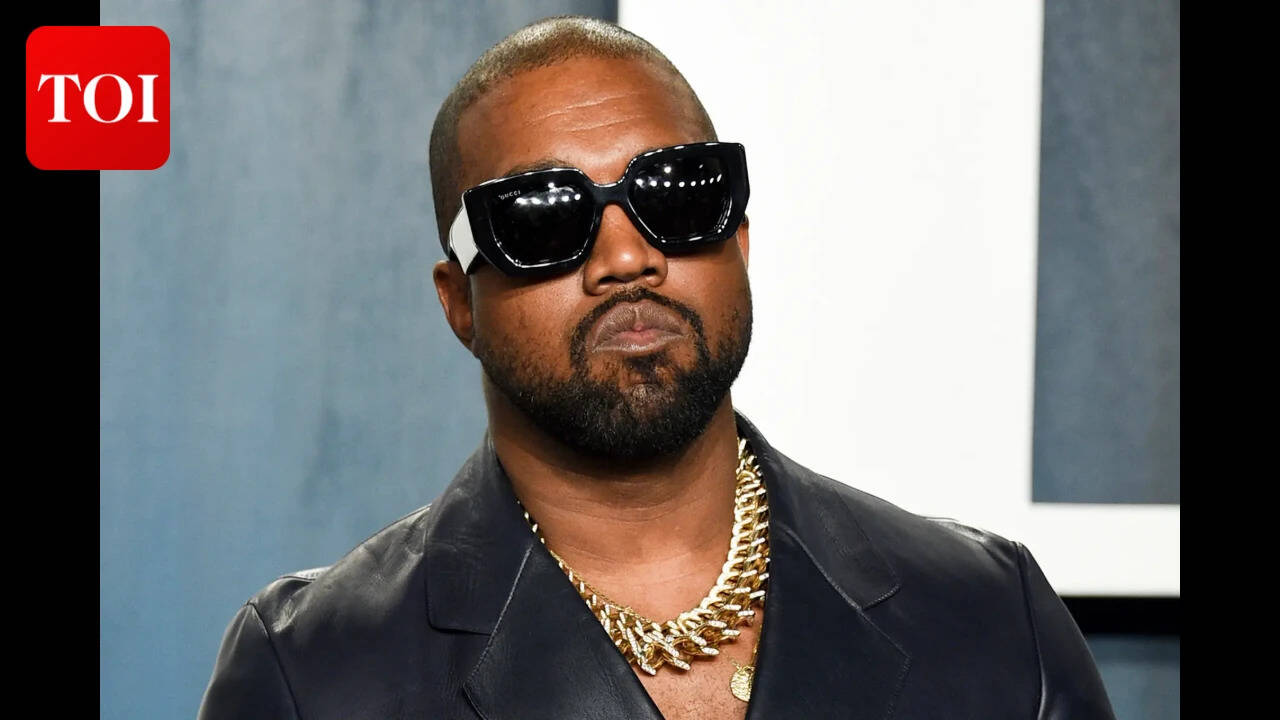
Brand-sponsored live events operate on a fragile equilibrium of risk-adjusted returns where the volatility of the headline talent acts as the primary cost driver. The withdrawal of Pepsi from the Wireless Festival sponsorship, triggered by the escalating reputational liabilities of Kanye West, illustrates a standard "exit-at-all-costs" protocol designed to protect enterprise value from radioactive association. This is not a reactive moral stance but a calculated defensive maneuver within the Framework of Brand-Persona Alignment. When the cost of association exceeds the projected lifetime value of the consumer segment reached, divestment becomes the only logical fiscal outcome.
The Tri-Factor Risk Assessment of Talent Volatility
Corporate sponsors evaluate talent through three distinct metrics of stability. When any of these metrics drop below a pre-defined threshold, the sponsorship agreement enters a state of technical default, whether or not a legal breach of contract has occurred.
- Predictability of Performance: Sponsors buy a guaranteed reach. If a performer’s mental state or public behavior suggests a high probability of a "no-show" or a performance that deviates significantly from the agreed-upon format, the ROI of the activation drops to zero.
- Brand Safety Thresholds: Corporations like PepsiCo operate with broad, non-partisan consumer bases. Association with polarizing, exclusionary, or inflammatory rhetoric introduces a "negative halo effect," where the brand is perceived as subsidizing the controversy.
- Audience Retention Probability: The core value of a festival sponsorship is the physical presence of the crowd. If the headline act becomes a deterrent rather than a draw, the sponsor loses the eyeballs required to justify the multi-million dollar "buy-in" fee.
The Economic Mechanics of the Wireless Festival Vacuum
Wireless Festival occupies a unique position in the UK urban music market, relying heavily on high-profile US imports to drive ticket sales. The removal of a cornerstone brand like Pepsi creates a liquidity gap that festival organizers must fill through aggressive cost-cutting or secondary tier-two sponsorship acquisition. This creates a cascading failure in production quality.
The Cost Function of Replacement
Finding a replacement for a headliner of Kanye West’s stature on short notice is mathematically disadvantageous. The "emergency booking fee" typically carries a 20% to 50% premium over standard performance rates. Organizers face a binary choice: overpay for a lateral talent to maintain ticket integrity or downgrade the talent and face a wave of refund requests. Under UK consumer law and specific ticketing Terms and Conditions, a change in the headline act often triggers a mandatory refund window, threatening the festival's immediate cash flow.
Operational Logics of Corporate Exit Protocols
Pepsi’s decision-making process likely followed a standard corporate crisis hierarchy. This hierarchy prioritizes the mitigation of long-term brand equity erosion over short-term contractual penalties.
- Step 1: Impact Isolation. Can the brand remain a sponsor while distancing itself from the specific artist? In high-profile festivals, the brand is often too integrated into the stage naming rights for this to be viable.
- Step 2: Liability Audit. Legal teams review "Morality Clauses." These clauses allow a sponsor to terminate an agreement without penalty if the associated party engages in behavior that brings the sponsor into disrepute.
- Step 3: Stakeholder Signaling. The exit is publicized not just to distance the brand from the artist, but to signal to shareholders and ESG (Environmental, Social, and Governance) auditors that the company maintains strict control over its cultural associations.
The friction here lies in the "sunk cost" of physical infrastructure. Branded stages, merchandise, and digital assets must be purged or rebranded within days. The logistical cost of removing Pepsi’s footprint from the festival grounds represents a significant write-off, yet it is dwarfed by the potential loss in market capitalization should a consumer boycott gain traction on social media.
The Fragility of the Festival Business Model
Music festivals operate on razor-thin margins, often requiring 90% ticket occupancy just to reach the break-even point. The withdrawal of a lead sponsor like Pepsi removes the "security deposit" of the festival's budget. This creates a secondary risk: the inability to pay other artists.
If the lead sponsor exits, the festival's credit rating with talent agencies drops instantly. Agencies may demand 100% of the performance fee upfront (escrowed) rather than the standard 50% deposit. This liquidity crunch is the silent killer of large-scale events. The "doubts over performance" mentioned in the industry are not just about the artist's willingness to show up; they are about the festival’s ability to remain solvent through the weekend without the sponsor’s capital injection.
Strategic Divergence: Brand vs. Talent
The fundamental tension exists because Kanye West’s brand is built on "unpredictability" and "disruption," while Pepsi’s brand is built on "reliability" and "mass-market cohesion." These two value propositions are inherently allergic to one another during a period of social crisis.
A "Mass Market" brand cannot survive in a "Niche Provocateur" space. For Pepsi, the festival was a vehicle for broad-spectrum demographic reach. Once the vehicle became a platform for divisive rhetoric, the utility of the vehicle was destroyed. The strategy consultant’s view is clear: The "Kanye Factor" changed from an asset (attention) to a liability (reputational tax). In any portfolio, you sell the liability when the tax exceeds the growth.
The Mechanism of the "Social Media Multiplier"
In previous decades, a controversial performance might stay within the confines of the festival grounds. In the current digital environment, every minute of a performance is live-streamed and dissected. If an artist makes a controversial statement on a Pepsi-branded stage, the visual link between the brand and the statement is permanent. The "cost of removal" is an investment in preventing a permanent digital association that would haunt the brand’s search engine results and social sentiment scores for years.
Predicting the Structural Shift in Talent Booking
This event marks a pivot point in how large-scale festivals will structure future talent agreements. We should expect to see:
- Escalated Escrow Requirements: Sponsors may require performance fees to be held in third-party accounts, with release triggers tied to "behavioral benchmarks" leading up to the event.
- Decentralized Sponsorship: Rather than one "Title Sponsor" (The Pepsi Stage), festivals may move toward a fragmented model with multiple smaller sponsors to reduce the systemic risk of a single exit collapsing the event's finances.
- Behavioral Insurance Premiums: An increase in the cost of event cancellation insurance, specifically tailored to cover losses stemming from "Artist Reputation Events."
The strategic imperative for festival organizers is now the "De-risking of the Headliner." If the festival's brand is too dependent on a single, volatile individual, it is a fragile business. The most resilient festivals (like Glastonbury or Coachella) have built a brand where the experience is the draw, and the talent is secondary. Wireless, by contrast, is a talent-led brand, making it uniquely vulnerable to the whims and social standing of its booked performers.
Organizers must immediately pivot to a "Portfolio Talent Strategy." This involves spreading the budget across five or six "Tier 1.5" artists rather than sinking 40% of the talent budget into one "Tier 1" artist who carries a high probability of cancellation or brand conflict. This reduces the "Single Point of Failure" risk and provides a more stable environment for blue-chip sponsors who require predictable, safe, and high-volume consumer engagement. The financial architecture of live music must evolve to prioritize systemic stability over individual star power, or face a permanent exit of corporate capital from the sector.


