Stop looking for deals. You are being used as a unpaid quality control inspector for Amazon’s 2026 supply chain.
Every year, the "Big Spring Sale" arrives with the same tired choreography. Influencers post "must-have" lists, tech blogs copy-paste press releases, and consumers refresh their carts hoping for a miracle. The narrative is simple: Amazon is being generous before the summer lulls.
The narrative is wrong.
Amazon doesn't run spring sales to save you money. They run them to clear out the "dead wood" of 2025 inventory and, more importantly, to calibrate their predictive shipping algorithms before the high-stakes chaos of Prime Day. When you click "Buy Now" on a discounted air fryer, you aren't winning; you are helping a $2 trillion machine refine its latency.
The Mirage of the Deep Discount
Retailers have a dirty secret called "Price Anchoring," and Amazon has perfected it into a digital art form.
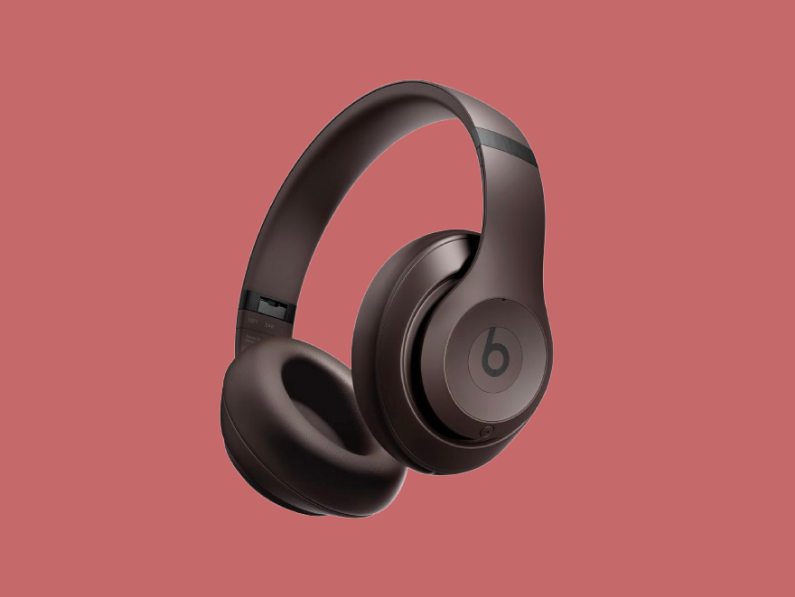
You see a pair of noise-canceling headphones marked "40% OFF." Your brain registers a bargain. But if you tracked the SKU using tools like CamelCamelCamel or Keepa over the last six months, you’d see a mountain range of price fluctuations. That "original price" often only existed for a few weeks in February—just long enough to establish a legal baseline for a "sale" in March.
Most "Big Spring Sale" discounts are actually return-to-mean pricing. The item was overpriced for thirty days so it could look underpriced for forty-eight hours.
I have spent a decade watching the back-end of e-commerce marketplaces. I have seen brands intentionally spike their prices in the "pre-sale window" specifically to trigger the "Price Dropped" badge that the Amazon algorithm loves. If you haven't tracked the price for at least 90 days, you aren't shopping; you're gambling.
Your AI Assistant Is an Ad Bot
The 2026 sales cycle is different because of Rufus and the integration of generative AI in the search bar. Amazon tells you that their AI helps you find the "best" products.
Let's be clear: AI in a marketplace is not a concierge; it is a high-frequency salesperson.
When you ask, "What’s the best vacuum for pet hair under $200?" the model isn't scanning the web for objective reviews. It is weighing:
- Profit Margins: Which items net Amazon the highest referral fee?
- FBA Status: Which items are already sitting in a warehouse five miles from your house?
- Advertising Spend: Which brand paid for "Sponsored Brand" placement?
The "answer" you get is a synthesis of logistics convenience and ad revenue. The AI is programmed to reduce "click-to-ship" friction, not to maximize your utility.
The Inventory Dump: Why Now?
Spring is the graveyard of consumer electronics.
The Consumer Electronics Show (CES) happens in January. By March, the "new" models for 2026 are hitting the water on container ships from Shenzhen. Amazon’s warehouses are currently packed with 2025 models that are costing them cents per cubic foot every single day.
Every square inch of a fulfillment center has a "velocity requirement." If a product sits still, it dies. The Big Spring Sale is a coordinated purge. They aren't giving you a deal because they like you; they are giving you a deal because it’s cheaper to sell a TV at cost than it is to pay the storage fees for another month.
If you buy a laptop during this sale, understand that you are buying "last year’s" tech exactly 90 days before it becomes "obsolete" in the eyes of the manufacturer’s software update cycle.
The Logistics Stress Test
Imagine a scenario where a global logistics firm needs to test a new automated sorting drone or a "last-mile" delivery route optimization. They can’t test it during the Christmas rush—the stakes are too high. They can’t test it during a random Tuesday in May—there isn't enough volume.
They test it during the Big Spring Sale.
By manufacturing a spike in demand through "limited-time lightning deals," Amazon creates a controlled environment to stress-test their infrastructure. You are the stress. Your demand for a discounted yoga mat provides the data points needed to ensure Prime Day runs without a hitch.
We saw this in 2024 and 2025: regional outages in the delivery network were "solved" just weeks after the spring events. You are paying for the privilege of being a data point in their neural network.
How to Actually Win (The Contrarian Playbook)
If you must shop the sale, stop following the "Best Deals" guides. Those guides are written by affiliates who get a 1% to 10% cut of your purchase. They are incentivized to make you click, not to save you money.
- Ignore the Badge: The "Limited Time Deal" red badge is a psychological trigger designed to shut down the prefrontal cortex. It creates false scarcity. There are millions of those units. They aren't running out.
- The "Out of Season" Rule: If you want a deal in the Spring Sale, buy a snowblower. Buy a heavy parka. Buy a space heater. Amazon’s algorithms are desperate to move "seasonal" items that are out of sync with the calendar. Buying a "Spring" item in a "Spring" sale is paying a premium for relevance.
- Verify the SKU: Manufacturers often create specific, lower-quality SKUs specifically for "Big Sale" events. That TV might look like the one in the showroom, but check the model number. If it ends in a weird suffix like "-AMZ" or "-BZ," it’s a "derivative model." It likely has fewer HDMI ports, a slower processor, or a cheaper panel.
- The Warehouse Hack: Ignore the main sale page entirely. During these events, the "Amazon Warehouse" (Open-Box) section often sees an influx of perfectly good items returned by people who realized they overspent. That is where the actual 50% discounts live.
The Environmental Cost of Your "Saving"
We need to talk about the "Reverse Logistics" nightmare.
The Big Spring Sale triggers a massive wave of impulsive buying. Statistically, "Sale" events have a return rate nearly 30% higher than standard shopping periods. In the e-commerce world, a returned $20 item is often cheaper to landfill than to restock.
When you buy three sizes of a "discounted" jacket with the intent to return two, you aren't "using the system." You are contributing to a mountain of textile waste that the industry refuses to acknowledge. The "savings" you see on the screen don't account for the carbon cost of a van driving to your house three times in one week.
Stop Asking "Is it a deal?"
The question "Is this a good deal?" is a trap. It assumes the value of an object is defined by its discount relative to a fake MSRP.
The real question is: "Would I buy this at full price tomorrow if the sale didn't exist?"
If the answer is no, you aren't saving money. You are spending money to solve a boredom problem or to satisfy a dopamine craving triggered by a countdown timer.
Amazon is a masterpiece of behavioral engineering. The 2026 Big Spring Sale is simply the latest version of their Skinner Box. They provide the lever, and you provide the press.
Take your finger off the lever.
The most "contrarian" thing you can do during a massive, coordinated, multi-million dollar marketing event is absolutely nothing. Your house is already full of things you bought during the last "unmissable" event. Go use those instead.
Close the tab. Delete the app. If you really need that blender, it will be the same price—or cheaper—in three weeks when the "Spring" hype dies and the reality of overstock hits the books.
Would you like me to analyze the price history of a specific product category to see if the "deals" are legitimate or just anchored illusions?